Oil Climbs as US-Iran Tensions Flare Again Amid Tight Supply
June 10, 2026
Snapchat Friends-Only Update for Under 16 Users | New Teen Safety Features 2026
June 11, 2026
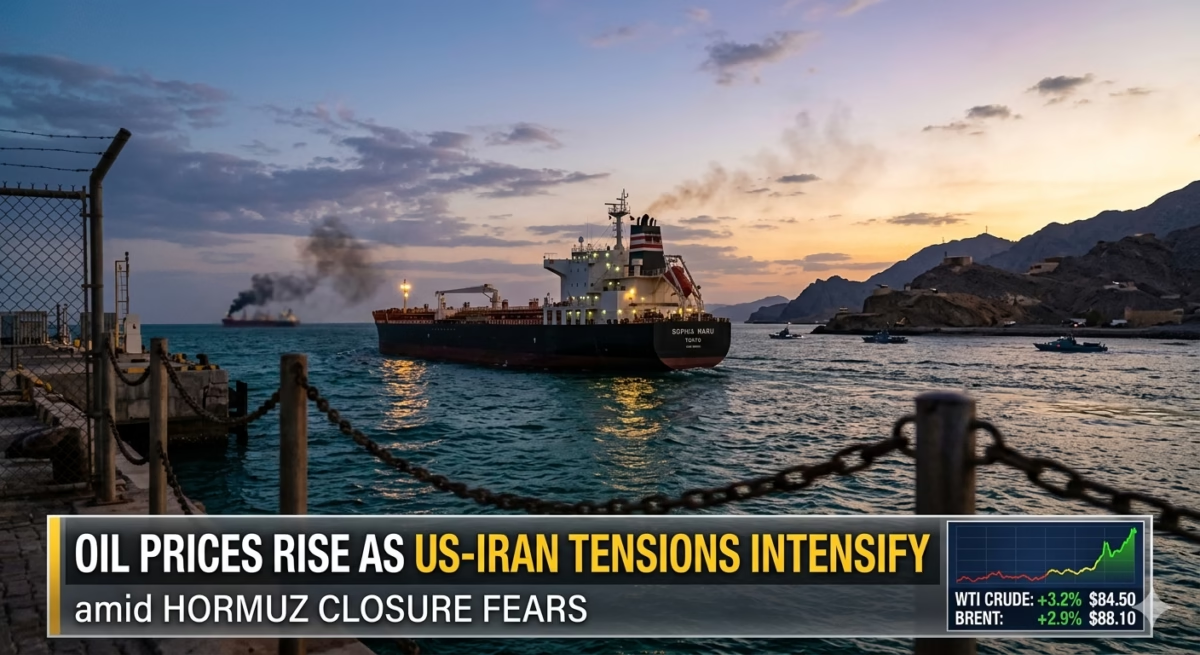
Oil Prices Rise as US-Iran Tensions Intensify Amid Hormuz Closure Fears
Global oil prices moved higher as geopolitical tensions between the United States and Iran escalated, raising fresh concerns about potential disruptions to energy supplies in the Middle East. Investors are closely monitoring developments surrounding the Strait of Hormuz, one of the world’s most critical oil transit routes, as fears of a possible closure continue to influence market sentiment.
The latest surge in oil prices highlights how sensitive global energy markets remain to geopolitical risks. With supply concerns already elevated and global demand remaining relatively strong, any threat to oil shipments passing through the region has the potential to significantly impact prices worldwide.
Oil Markets React to Rising US-Iran Tensions
Crude oil futures climbed after reports of heightened tensions between Washington and Tehran increased uncertainty across global markets.
Energy traders are particularly concerned about the possibility of disruptions affecting the Strait of Hormuz, a narrow waterway that serves as a vital shipping route for a substantial portion of the world’s oil exports.
Historically, geopolitical conflicts involving major oil-producing nations have often triggered sharp price movements due to fears of supply shortages.
Current market concerns include:
- Potential shipping disruptions
- Regional military escalation
- Increased sanctions activity
- Supply chain interruptions
- Higher transportation costs
These factors have combined to push oil prices higher as investors seek to price in additional risk.
Why the Strait of Hormuz Matters
The Strait of Hormuz is widely regarded as one of the most important energy chokepoints in the world.
Located between the Persian Gulf and the Gulf of Oman, the route facilitates the transportation of millions of barrels of crude oil every day.
Major oil exporters relying on the passage include:
- Saudi Arabia
- United Arab Emirates
- Kuwait
- Iraq
- Iran
Any disruption in this corridor could significantly affect global energy supplies and increase oil prices.
Because of its strategic importance, developments involving the Strait of Hormuz are closely watched by governments, energy companies, and financial markets worldwide.
Fears of Hormuz Closure Fuel Market Volatility
While no closure has occurred, speculation surrounding potential restrictions on maritime traffic has increased market volatility.
Analysts note that even the possibility of reduced shipping activity can lead traders to bid up oil prices as a precaution against future supply shortages.
A prolonged disruption could result in:
- Reduced global oil exports
- Higher fuel prices
- Increased inflationary pressures
- Supply chain challenges
- Economic uncertainty
As a result, investors remain highly sensitive to headlines related to the region.
Impact on Global Energy Markets
The rise in crude oil prices is being felt across multiple sectors.
Higher energy costs can affect:
Transportation
Airlines, shipping companies, and logistics firms often face increased operating expenses when fuel prices rise.
Manufacturing
Many industries rely on petroleum products for production and transportation.
Consumer Prices
Higher oil prices can contribute to increased costs for goods and services.
Financial Markets
Energy stocks often benefit from rising crude prices, while sectors sensitive to fuel costs may face pressure.
The broader economic implications make oil market developments a key focus for policymakers and investors alike.
US Sanctions and Regional Tensions
The latest market reaction also comes amid ongoing discussions regarding sanctions, regional security concerns, and diplomatic relations between the United States and Iran.
Economic restrictions targeting energy exports have historically played a major role in shaping oil market dynamics.
Investors continue to monitor developments involving:
- Energy export policies
- Regional military activity
- Diplomatic negotiations
- International security measures
- Global trade impacts
Each of these factors could influence future price movements.
Could Oil Prices Continue Rising?
Many market analysts believe oil prices could remain elevated if geopolitical risks persist.
Factors supporting higher prices include:
- Supply uncertainty
- Strong seasonal demand
- Limited spare production capacity
- Shipping concerns
- Ongoing geopolitical tensions
However, oil markets are known for volatility, and prices can change rapidly as new information emerges.
Future developments regarding regional stability and energy production will likely determine the direction of crude oil markets in the coming weeks.
Effects on Inflation and Consumers
One of the biggest concerns associated with rising oil prices is inflation.
Higher crude prices often lead to increased costs for:
- Gasoline
- Diesel
- Air travel
- Consumer goods
- Industrial production
If energy prices remain elevated for an extended period, central banks may face additional challenges in managing inflation.
Consumers could also experience higher transportation and household expenses.
Energy Companies Benefit From Higher Prices
While rising oil prices create challenges for many industries, energy producers often benefit from stronger revenue opportunities.
Oil and gas companies may see:
- Improved profit margins
- Higher cash flow
- Increased investor interest
- Stronger earnings expectations
As a result, energy stocks frequently attract attention during periods of rising crude prices.
Global Markets Remain on Alert
Financial markets around the world continue monitoring developments in the Middle East.
Investors are paying close attention to:
- Government statements
- Military developments
- Shipping activity
- Energy export data
- Diplomatic negotiations
Any significant escalation could trigger further volatility across commodities, equities, and currency markets.
Conclusion
Oil prices have risen as growing US-Iran tensions and concerns over potential disruptions in the Strait of Hormuz increase uncertainty in global energy markets. While no closure has occurred, fears surrounding one of the world’s most important oil shipping routes have been enough to push crude prices higher.
As geopolitical developments continue to unfold, investors, governments, and consumers will closely watch the situation for signs of further escalation or stabilization. The outcome could play a major role in shaping energy prices, inflation trends, and global economic conditions throughout the remainder of 2026.
FAQs
Why are oil prices rising?
Oil prices are increasing due to heightened tensions between the United States and Iran and concerns about possible disruptions to oil supplies.
What is the Strait of Hormuz?
The Strait of Hormuz is a critical shipping route connecting the Persian Gulf to global markets and is used to transport a significant portion of the world’s oil.
Has the Strait of Hormuz been closed?
No, the Strait of Hormuz remains open, but concerns about potential disruptions have influenced oil markets.
How do geopolitical tensions affect oil prices?
Conflicts and security concerns can create fears of supply shortages, leading traders to bid up oil prices.
Which countries use the Strait of Hormuz for oil exports?
Major exporters include Saudi Arabia, Iraq, Kuwait, the United Arab Emirates, and Iran.
Could gasoline prices increase?
Yes. Higher crude oil prices often lead to increased fuel costs for consumers.
How do rising oil prices impact inflation?
Higher energy costs can increase transportation and production expenses, contributing to broader inflationary pressures.
Do energy companies benefit from higher oil prices?
Many oil and gas companies can experience stronger revenues and profits when crude prices rise.
What factors will determine future oil prices?
Geopolitical developments, supply levels, demand trends, and shipping conditions will all influence future price movements.
Why is the Middle East important to global oil markets?
The region contains many of the world’s largest oil producers and plays a critical role in global energy supply