
Apple-Nvidia Friends Again? Nvidia Chips Power Apple Intelligence
June 10, 2026
Oil Prices Rise as US-Iran Tensions Intensify Amid Hormuz Closure Fears
June 11, 2026
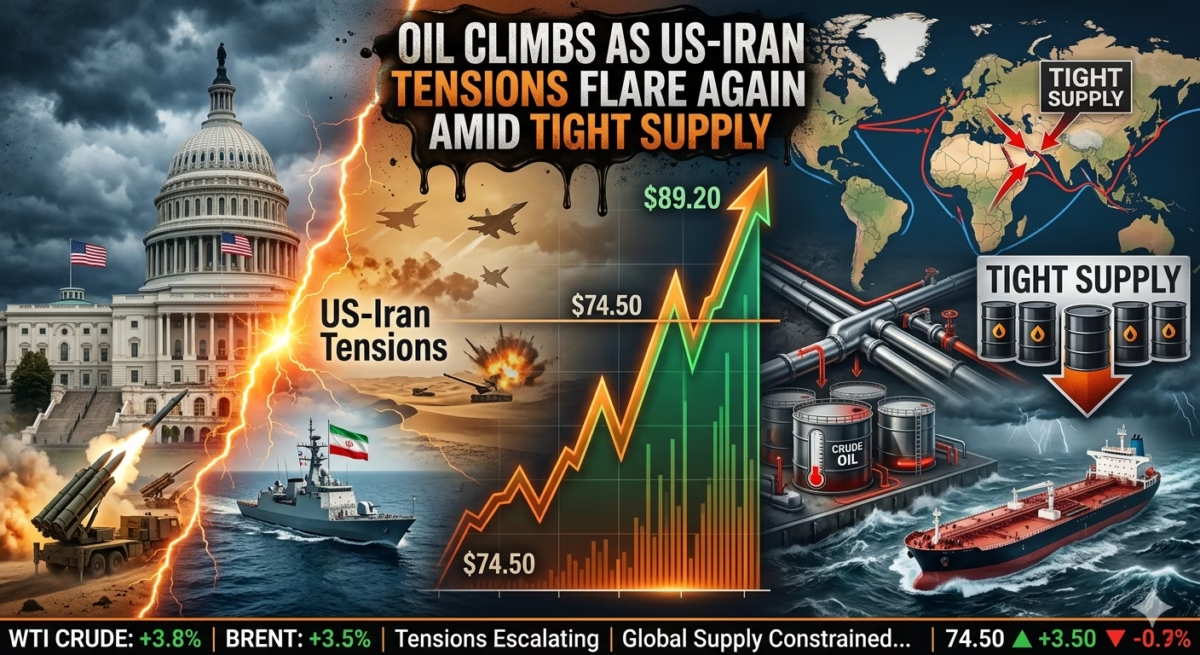
Oil Climbs as US-Iran Tensions Flare Again While Stockpiles Tighten
Global oil prices rose as geopolitical tensions between the United States and Iran intensified once again, adding fresh uncertainty to already tight energy markets. Investors reacted quickly to reports of renewed sanctions and supply disruptions, while declining stockpiles further supported upward pressure on crude prices.
The latest market movement reflects a familiar pattern: whenever tensions escalate in the Middle East—especially involving Iran—oil traders tend to price in potential supply risks almost immediately. Combined with tightening inventories in key consuming regions, crude oil saw renewed bullish momentum in global markets.
Why Oil Prices Are Rising Again
The recent increase in oil prices is driven by a combination of geopolitical and supply-side factors.
1. US–Iran Tensions Return to the Market Focus
Rising tensions between Washington and Tehran have once again placed Iranian oil exports under scrutiny. The United States has reportedly expanded sanctions targeting Iran’s oil shipments, particularly those linked to buyers in Asia.
These sanctions aim to limit Iran’s ability to export crude oil, which directly reduces global supply expectations.
Key concerns include:
- Potential disruption of Iranian crude exports
- Increased enforcement on shipping routes
- Secondary sanctions on buyers of Iranian oil
- Rising geopolitical risk premium in energy markets
Whenever sanctions tighten, traders typically anticipate reduced supply, which pushes prices higher even before physical disruptions occur.
US Issues New Sanctions Over Iran’s Oil Shipments to China
A major driver of recent market sentiment is the introduction of additional US sanctions targeting Iranian oil flows to China.
China has been one of the largest buyers of discounted Iranian crude, and any restrictions on this trade route can significantly impact global supply chains.
The sanctions are aimed at:
- Shipping companies involved in oil transport
- Financial intermediaries facilitating transactions
- Entities accused of bypassing existing restrictions
These measures increase uncertainty in the oil market and reinforce expectations of tighter supply conditions.
Supply Tightening Adds to Price Pressure
Beyond geopolitical tensions, physical oil market fundamentals are also tightening.
Recent data shows:
- Lower-than-expected crude inventories in key regions
- Strong seasonal demand for transportation fuel
- Reduced strategic stockpiles in some economies
- Slower production growth in certain OPEC+ members
When supply tightens while demand remains stable or rising, oil prices tend to respond quickly.
The combination of inventory declines and geopolitical risk is creating a supportive environment for crude oil.
Market Reaction: Traders Price in Risk Premium
Oil markets often react not only to actual supply disruptions but also to perceived risks.
This “risk premium” is currently rising due to:
- Escalation in US–Iran tensions
- Uncertainty over Middle East stability
- Potential shipping route disruptions
- Concerns about broader regional conflict
As a result, traders are pricing oil higher even in the absence of immediate physical shortages.
China–US Talks Add Another Layer of Complexity
At the same time, ongoing discussions between China and the United States are being closely monitored by energy traders.
China is a major oil importer and a key buyer of crude from multiple regions, including the Middle East and Russia. Any changes in trade policy, tariffs, or sanctions enforcement can significantly impact global energy flows.
Market participants are watching for:
- Trade negotiations between US and China
- Energy security agreements
- Sanctions enforcement policies
- Shipping and insurance regulations
The interplay between diplomacy and energy markets remains highly sensitive.
Putin Says War Coming to an End
In parallel geopolitical developments, comments from Russian leadership suggesting that conflict dynamics may be shifting toward an end-phase have also drawn attention.
While such statements may reduce some global risk sentiment, energy markets remain focused primarily on immediate supply risks in the Middle East rather than long-term geopolitical resolution elsewhere.
However, any de-escalation in global conflict zones could eventually:
- Reduce overall energy risk premiums
- Stabilize shipping routes
- Ease inflationary pressures
For now, traders remain cautious.
How Oil Markets Typically Respond to Geopolitical Tensions
Oil is one of the most geopolitically sensitive commodities in the world. Prices often react strongly to:
- Middle East instability
- Sanctions on major producers
- Military escalation risks
- Supply chain disruptions
Historically, even the threat of disruption has been enough to push prices higher.
This is because global oil supply is tightly interconnected, and even small disruptions in key exporting regions can have outsized effects on pricing.
OPEC+ Influence Still Critical
While geopolitical tensions are important, OPEC+ production policy remains a major driver of long-term oil price trends.
Key factors include:
- Production cuts or increases
- Compliance levels among member countries
- Spare production capacity
- Export strategies of major producers
If OPEC+ chooses to offset supply disruptions with higher output, price spikes may be limited. However, if production remains constrained, upward pressure could continue.
Inflation Concerns Return With Rising Oil Prices
Higher oil prices often translate into broader economic effects, including inflationary pressure.
Impacts include:
- Higher fuel costs for transportation
- Increased shipping and logistics expenses
- Rising production costs for goods
- Pressure on central bank policy decisions
If oil prices remain elevated for an extended period, central banks may face renewed challenges in controlling inflation.
Investor Outlook: Volatility Ahead
Energy markets are likely to remain volatile as traders react to:
- Geopolitical developments
- Sanctions announcements
- Inventory data
- OPEC+ decisions
- Global economic signals
Short-term price movements may be sharp and news-driven, while long-term trends will depend on supply-demand fundamentals.
Conclusion
Oil prices are climbing once again as US–Iran tensions escalate and global stockpiles tighten, reinforcing concerns about supply stability in an already sensitive energy market. New sanctions on Iranian oil shipments to China have further increased uncertainty, while declining inventories add additional upward pressure.
Although broader geopolitical discussions involving China and Russia continue to evolve, the immediate focus for oil traders remains on Middle East risk and global supply constraints. As a result, oil markets are entering another phase of heightened volatility where both political developments and physical supply conditions will play a crucial role in shaping price direction.
FAQs
1. Why are oil prices rising again?
Oil prices are rising due to US–Iran tensions, new sanctions on Iranian oil exports, and tightening global stockpiles.
2. What are the new US sanctions about?
The sanctions target Iranian oil shipments, especially those linked to buyers in China and related shipping networks.
3. How do Iran tensions affect oil prices?
Iran is a major oil producer, and tensions raise fears of supply disruptions, which increases prices.
4. What role does China play in oil markets?
China is one of the world’s largest oil importers, and its trade relations affect global energy demand and pricing.
5. What does tightening stockpiles mean?
It means global oil inventories are falling, reducing supply buffers and pushing prices higher.
6. Can oil prices go down again soon?
Yes, prices can fall if tensions ease, supply increases, or demand weakens.
7. How do geopolitical events impact oil?
Even the threat of conflict or sanctions can create a “risk premium” that raises oil prices.
8. What is OPEC+ role in oil pricing?
OPEC+ controls production levels that heavily influence global oil supply and price stability.
9. Do higher oil prices affect inflation?
Yes, higher oil prices increase transportation and production costs, contributing to inflation.
10. Why are traders so sensitive to Iran news?
Because Iran is a key oil producer in a strategically important region for global energy supply.