S&P 500 Rises as Iran Deal Progress Boosts Markets; Micron Leads Semiconductor Rally
June 22, 2026
WhatsApp Users May Have a New Way to Check If They’re Blocked
June 23, 2026
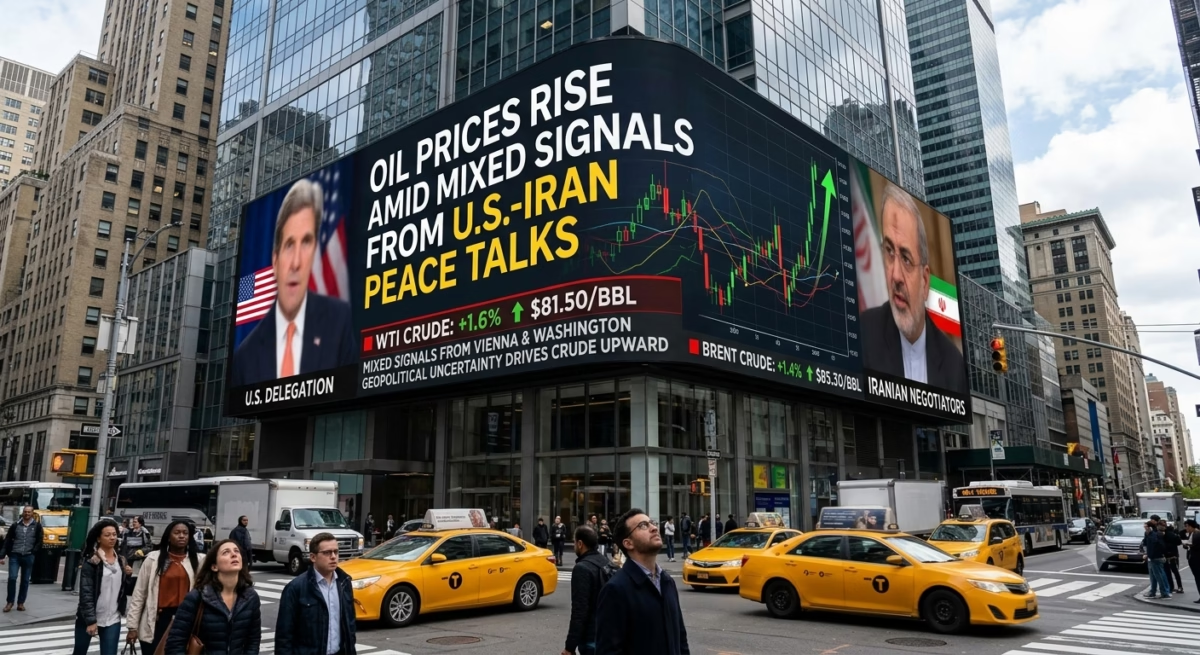
Oil Prices Rise Amid Mixed Signals From U.S.–Iran Peace Talks
Global oil markets have seen a fresh wave of volatility as crude prices rise amid conflicting signals from ongoing diplomatic discussions between the United States and Iran. Traders remain uncertain about whether peace talks will ease geopolitical tensions or whether fresh disputes could disrupt global energy supplies once again.
The situation has created a cautious but reactive trading environment, where even small developments in diplomacy can trigger noticeable price swings in Brent crude and WTI oil benchmarks.
Oil Markets React to Uncertainty in U.S.–Iran Relations
Oil prices are highly sensitive to geopolitical developments in the Middle East, especially involving Iran, one of the key oil-producing nations in the region. Recent reports of mixed progress in peace talks have left investors unsure about the future stability of oil exports and shipping routes.
When negotiations appear positive, markets tend to anticipate increased supply stability, which usually puts downward pressure on prices. However, when tensions rise or talks stall, fears of supply disruption push prices upward.
This back-and-forth dynamic is one of the main reasons crude oil remains one of the most volatile global commodities.
What Is Driving the Recent Rise in Oil Prices?
Several key factors are contributing to the upward movement in oil prices:
1. Mixed Signals From Peace Talks
Reports from diplomatic discussions between the U.S. and Iran have been inconsistent. While some statements suggest progress toward easing tensions, others indicate unresolved disputes over sanctions, nuclear concerns, and regional influence.
This uncertainty is pushing traders to price in potential risk rather than stability, leading to higher crude prices.
2. Supply Risk Concerns in the Middle East
Iran plays a major role in global oil supply. Any escalation in political tensions can affect exports, shipping routes, and insurance costs for tankers.
Even the possibility of disruptions is enough to push oil markets higher as traders hedge against future shortages.
3. Strait of Hormuz Sensitivity
The Strait of Hormuz is one of the most important oil transit chokepoints in the world. A significant portion of global oil shipments passes through this narrow waterway.
Any geopolitical tension involving Iran raises concerns about possible disruptions in this route, which immediately impacts crude oil pricing.
4. Market Reaction to Geopolitical Headlines
Oil traders often react quickly to news headlines, especially those involving military activity, sanctions, or tanker incidents. This leads to short-term price spikes even if long-term supply fundamentals remain stable.
Role of Iran in Global Oil Markets
Iran is one of the key oil producers in OPEC and has historically played a major role in global supply dynamics. Sanctions and diplomatic tensions have repeatedly influenced its export capacity.
When sanctions tighten, Iranian oil exports decline, reducing global supply. When relations improve, more oil can enter the market, helping stabilize prices.
This constant shift makes Iran a central factor in global crude oil forecasting.
Impact of U.S. Policy on Oil Prices
U.S. foreign policy toward Iran directly affects global energy markets. Decisions involving sanctions, military presence in the Gulf region, and diplomatic negotiations all influence investor expectations.
When the U.S. takes a hard stance, oil prices often rise due to fears of restricted supply. When diplomatic progress is reported, prices may stabilize or decline.
Brent Crude vs Global Oil Trends
Brent crude, the global benchmark for oil pricing, has been particularly responsive to Middle East developments. Traders use Brent as a key indicator of international supply conditions.
Recent price increases reflect heightened geopolitical risk premiums being added to oil contracts.
Tanker Security and Market Concerns
Recent attention has also focused on tanker security in the region. Reports involving Iranian vessels and regional naval activity have added to market uncertainty.
Even isolated incidents involving oil shipments can cause short-term spikes in global crude prices due to fears of escalation.
Conclusion
Oil prices are rising as global markets react to mixed signals from U.S.–Iran peace talks. While diplomatic discussions offer hope for stability, ongoing uncertainty continues to fuel volatility in crude oil markets.
The combination of geopolitical risk, supply chain concerns, and sensitive shipping routes like the Strait of Hormuz ensures that oil prices will likely remain reactive to any new developments in the region.
FAQs
Why are oil prices rising today?
Oil prices are rising due to uncertainty surrounding U.S.–Iran peace talks and concerns over potential supply disruptions.
How do U.S.–Iran talks affect oil prices?
If tensions increase, oil prices usually rise due to supply risk. If talks improve, prices may stabilize or fall.
What is Brent crude oil?
Brent crude is a global benchmark used to price international oil markets.
Why is the Strait of Hormuz important?
It is one of the world’s key oil transit routes, and any disruption can significantly impact global supply.
Can Iran influence global oil prices?
Yes, Iran is a major oil producer, and its exports significantly affect global supply levels.
What causes oil price volatility?
Geopolitical tensions, supply changes, demand shifts, and global economic conditions all contribute to volatility.
Elevate Your Brand with MasterInDesign
Don’t let your business get left behind in today’s fast-paced digital world. At MasterInDesign, we specialize in helping brands stand out, engage audiences, and grow online.
Take the next step toward digital excellence. Contact us today and transform your brand into a powerful online