
WhatsApp Users May Have a New Way to Check If They’re Blocked
June 23, 2026
Chery Launches Flagship TIGGO 9 SUV in Malaysia With Premium 7-Seater Features
June 24, 2026
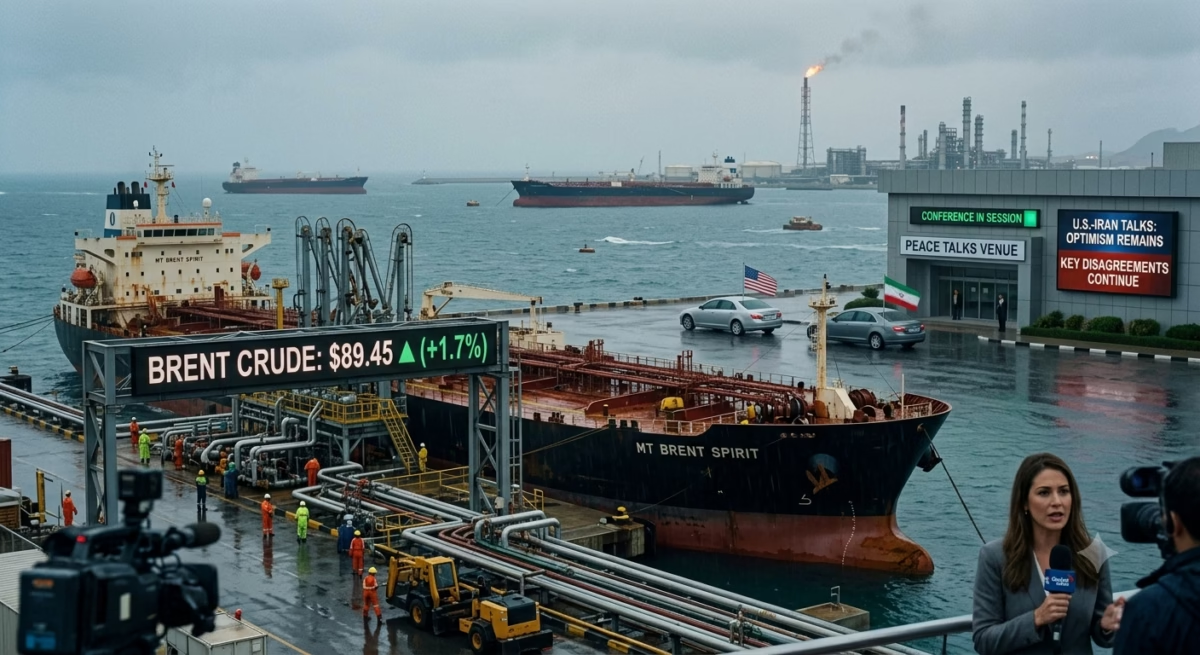
Oil Prices Rise Amid Mixed Signals From U.S.-Iran Peace Talks
Global oil prices moved higher this week as investors weighed mixed signals emerging from ongoing diplomatic discussions between the United States and Iran. The talks, which have attracted significant attention from energy traders and policymakers worldwide, continue to influence market sentiment as participants assess the potential impact on global oil supplies and regional stability.
The rise in crude oil prices reflects growing uncertainty over whether negotiations will lead to a meaningful agreement or whether longstanding disagreements will continue to create tensions between the two nations. Since Iran remains one of the world’s most important oil-producing countries, any developments related to sanctions, exports, or regional security can have immediate consequences for international energy markets.
As a result, traders are closely monitoring every update related to the Iran and USA talks while evaluating broader factors such as global demand, production levels, and shipping security in key energy transit routes.
Oil Markets React to Diplomatic Developments
Oil markets are highly sensitive to geopolitical events, particularly when they involve major energy-producing nations. Recent reports suggest that both Washington and Tehran remain engaged in discussions aimed at reducing tensions and finding common ground on several important issues.
However, conflicting statements from officials on both sides have created uncertainty regarding the likelihood of a comprehensive agreement. While some reports indicate progress, others highlight significant differences that remain unresolved.
This uncertainty has encouraged traders to maintain a cautious outlook. Rather than focusing solely on optimistic headlines, investors are considering multiple scenarios ranging from successful negotiations to a continuation of existing tensions.
The result has been increased volatility in oil markets, with prices responding quickly to new developments and changing expectations.
Brent Crude Oil Price Moves Higher
The Brent crude oil price, which serves as the primary benchmark for international oil markets, has gained support from ongoing geopolitical uncertainty. Investors often turn their attention to Brent crude when assessing the impact of global events on energy supplies.
Recent gains reflect concerns that unresolved tensions could continue affecting the flow of oil from the Middle East. Although no major supply disruptions have occurred, the possibility of future complications remains enough to influence market behavior.
Energy analysts note that oil prices are not determined solely by current supply and demand conditions. Expectations about future events often play an equally important role. As long as uncertainty surrounds U.S.-Iran relations, Brent crude prices are likely to remain sensitive to diplomatic developments.
The current environment demonstrates how geopolitical risks can create upward pressure on prices even when physical supplies remain relatively stable.
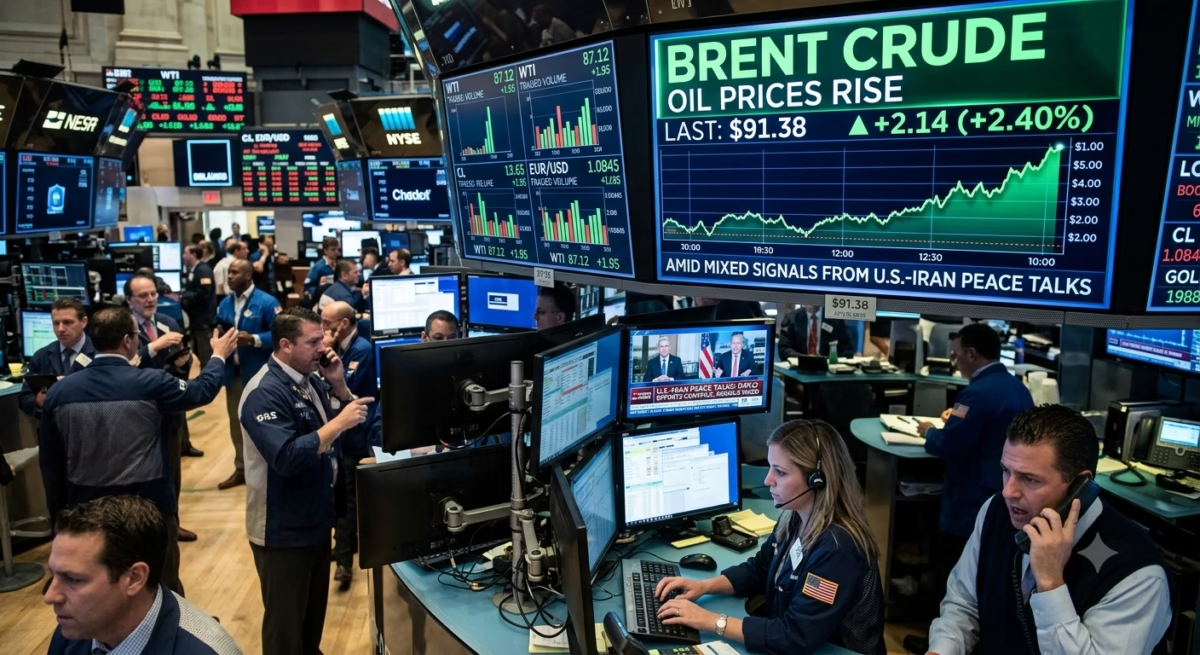
Crude Oil Price Supported by Supply Concerns
The broader crude oil price outlook remains influenced by concerns about future supply availability. Global demand for oil has remained relatively resilient despite economic challenges in several regions, helping maintain support for energy prices.
At the same time, production policies from major oil-producing nations have contributed to tighter market conditions. Any uncertainty regarding additional supplies from Iran therefore becomes increasingly important.
If diplomatic progress eventually results in sanctions relief, Iranian oil exports could increase substantially. Such an outcome could help ease supply concerns and potentially moderate price increases.
However, until there is greater clarity regarding the future of negotiations, traders are likely to continue factoring geopolitical risk into oil prices.
Iran and USA Talks Remain Under Close Watch
The ongoing Iran and USA talks have become one of the most closely followed geopolitical developments affecting global energy markets. Discussions reportedly cover a range of issues, including regional security, sanctions, economic cooperation, and diplomatic relations.
Although both sides have expressed interest in avoiding further escalation, achieving a lasting agreement remains a complex challenge. Decades of political tensions and differing priorities continue to complicate negotiations.
Investors understand that diplomatic breakthroughs rarely occur overnight. Consequently, markets are responding not only to official announcements but also to speculation about the potential direction of talks.
Every statement from government officials, diplomats, or international observers can influence market expectations and contribute to fluctuations in crude oil prices.
Iran News Continues to Influence Investor Sentiment
Recent Iran news has played a major role in shaping energy market trends. Reports concerning diplomatic discussions, sanctions enforcement, military activity, and oil exports have all affected investor confidence.
Because Iran possesses significant oil production capacity, any changes to its ability to participate in global markets can have meaningful consequences for supply forecasts.
Financial institutions and commodity traders carefully analyze developments involving Iran to assess potential risks and opportunities. Positive diplomatic news can improve market confidence, while reports suggesting increased tensions often contribute to higher oil prices.
This constant flow of information ensures that Iran remains one of the most influential factors affecting oil market sentiment.
Strait of Hormuz Oil Market Impact Remains Critical
One of the primary concerns for energy traders is the potential Strait of Hormuz oil market impact resulting from geopolitical tensions in the region.
The Strait of Hormuz is one of the world’s most strategically important shipping routes. Millions of barrels of crude oil pass through the waterway every day, connecting Gulf producers with customers around the world.
Any threat to maritime security in the region can quickly affect global energy markets. Even without actual disruptions, concerns about shipping safety often encourage investors to pay higher prices for oil.
Historically, periods of heightened tension involving Iran have increased attention on the Strait of Hormuz. Market participants recognize that disruptions in this area could significantly affect global supply chains and fuel costs.
As long as geopolitical uncertainty remains, the Strait of Hormuz will continue to be a critical factor influencing oil market behavior.
Reports of Seized Iranian Oil Tankers Draw Attention
Another issue attracting market attention involves reports related to efforts where the U.S. seizes Iranian oil tanker shipments as part of sanctions enforcement activities.
Such incidents highlight the ongoing complexities surrounding international oil trade and geopolitical relations. While individual tanker seizures may not dramatically alter global supply levels, they often reinforce concerns about tensions between Washington and Tehran.
These developments can contribute to short-term price volatility by increasing uncertainty regarding future export flows and sanctions policies.
Investors frequently view tanker-related incidents as indicators of broader geopolitical trends, making them important considerations when evaluating oil market risks.
Iranian Ship Touska and Regional Shipping Activity
Shipping activity in the Middle East remains an important source of information for market participants. Recent attention has included discussions surrounding the Iranian ship Touska and other vessels operating in regional trade networks.
Analysts often monitor tanker movements to gain insights into export volumes, transportation patterns, and compliance with international regulations.
Although individual ships rarely determine overall market direction, maritime activity can provide valuable clues about broader trends affecting oil supplies.
This explains why investors continue tracking developments involving Iranian shipping operations as part of their overall assessment of market conditions.
Global Demand Also Supports Oil Prices
While geopolitical developments dominate headlines, global demand remains another important factor supporting oil prices.
Economic activity in major regions continues to drive consumption of transportation fuels, industrial products, and petrochemicals. Despite concerns about economic growth in some countries, overall demand has remained relatively stable.
This resilience means that markets have limited room to absorb unexpected supply disruptions. As a result, geopolitical uncertainty often has a greater impact on prices when demand remains strong.
The combination of healthy consumption levels and concerns about future supply availability has contributed to the recent rise in oil prices.
Outlook for the Oil Market
Looking ahead, oil markets are expected to remain highly sensitive to developments involving the United States and Iran.
If negotiations progress toward a meaningful agreement, increased Iranian exports could help improve global supply conditions. Such an outcome may reduce some of the geopolitical premium currently embedded in oil prices.
On the other hand, continued uncertainty or renewed tensions could support further price increases by raising concerns about supply disruptions and regional instability.
Investors will also monitor economic data, production decisions from major oil-producing countries, and shipping activity in strategic waterways.
For now, mixed signals from ongoing diplomatic discussions continue to create an environment of uncertainty, keeping energy markets focused on every new development.
Conclusion
Oil prices have risen as traders respond to mixed signals emerging from U.S.-Iran peace talks. While hopes for diplomatic progress have improved sentiment, uncertainty regarding sanctions, exports, and regional security continues to support crude oil prices. The importance of Iranian oil production and the strategic role of the Strait of Hormuz ensure that developments between Washington and Tehran remain closely watched by investors worldwide. As negotiations continue, oil markets are likely to remain volatile, with geopolitical headlines playing a major role in shaping future price movements.
Frequently Asked Questions (FAQs)
Why are oil prices rising amid U.S.-Iran peace talks?
Oil prices are rising because uncertainty surrounding the negotiations has increased concerns about future oil supplies and regional stability.
How do Iran and USA talks affect global oil markets?
The talks can influence sanctions, Iranian oil exports, and geopolitical risks, all of which affect global oil supply and pricing.
What is the current trend in the Brent crude oil price?
Brent crude oil prices have moved higher as traders assess the impact of geopolitical uncertainty and potential supply risks.
Why is the Strait of Hormuz important to oil markets?
The Strait of Hormuz is a key shipping route through which a significant share of the world’s oil supply passes each day.
Could sanctions relief increase Iranian oil exports?
Yes. If sanctions are eased, Iran could increase crude oil exports, potentially adding more supply to global markets.
How does Iran news affect crude oil prices?
News related to Iran influences expectations regarding oil production, exports, sanctions, and regional security, all of which impact prices.
Elevate Your Brand with MasterInDesign
Don’t let your business get left behind in today’s fast-paced digital world. At MasterInDesign, we specialize in helping brands stand out, engage audiences, and grow online.
Take the next step toward digital excellence. Contact us today and transform your brand into a powerful online