

Social Media Fatigue & AI Slop May End Doomscrolling Addiction
January 2, 2026
Samsung 130-Inch Micro RGB TV Unveiled at CES 2026
January 5, 2026

SBP Reserves Increase by $13 Million as Momentum Stays Up for New Year
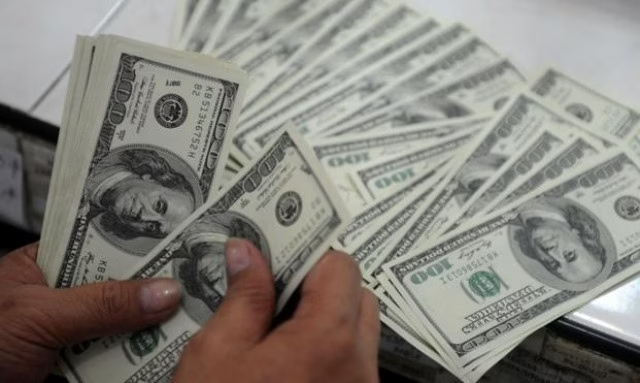
Pakistan’s foreign exchange reserves held by the State Bank of Pakistan (SBP) saw a modest yet positive increase of $13 million, continuing a recent trend of steady recovery as the nation enters the New Year. This gain reflects continuing momentum in the external account and provides a small boost to confidence in Pakistan’s economic outlook as 2026 begins.
While the overall level of foreign exchange reserves remains a key macroeconomic indicator watched by investors, policymakers, and international observers, this recent uptick suggests improving stability after periods of volatility.
Understanding SBP Foreign Exchange Reserves
Foreign exchange reserves are assets held by a country’s central bank in foreign currencies, gold, and special drawing rights. These reserves are critical for:
- Managing the country’s balance of payments
- Maintaining confidence in the local currency
- Supporting international trade
- Servicing external debt obligations
For Pakistan, foreign exchange reserves have been an area of close focus, especially in the context of economic pressures, exchange rate adjustments, and negotiations with international lenders.
Recent Trends in SBP Reserves
The latest data showed that the SBP’s reserves increased by $13 million. Although a relatively small gain, it signals continued inflows and improved reserve dynamics compared with earlier periods of decline or stagnant growth.
This uptick comes at a time when international commodity prices, remittance flows, and export performance have shown signs of resilience, contributing to overall external sector stability.
Analysts note that this improvement — while modest — helps cushion the economy against external shocks and provides reassurance to markets.
Why the Increase Matters
An increase in foreign exchange reserves, even moderate, can have several positive implications:
1. Boosts Confidence in the Economy
Rising reserves suggest that the country has greater capacity to meet external obligations and manage currency volatility, which in turn can boost investor confidence and stabilize financial markets.
2. Supports Currency Stability
Adequate reserves help the central bank defend the local currency in times of external pressure. Pakistan’s currency has experienced fluctuations, and higher reserves can provide support in volatile periods.
3. Improves Creditworthiness
Healthy reserves are often viewed favorably by credit rating agencies and international lenders, which can impact borrowing costs and terms for the sovereign and corporate sectors.
What Factors Could Be Driving the Increase?
Several factors likely contributed to the recent reserve increase:
- Remittances: Overseas Pakistanis continue to send significant remittances home, contributing to foreign exchange inflows.
- Export Performance: Global demand for Pakistani products in key markets shows pockets of strength, aiding foreign exchange earnings.
- Imports Management: Import bills have been carefully managed, helping prevent excessive foreign exchange outflows.
- Policy Measures: SBP’s prudent monetary and foreign exchange policies have helped stabilize reserve levels.
Experts caution that while the increase is positive, sustained gains depend on consistent performance in trade, remittances, and macroeconomic stability.
Remittances: A Critical Component
Remittances from Pakistanis abroad play an essential role in foreign exchange dynamics. These inflows have helped cushion current account deficits and support reserve accumulation. Recent trends show that remittances are holding up, which can provide ongoing support to reserves as long as global economic conditions remain stable.
Exports and Imports Balance
Pakistan’s exports, especially in textiles and agricultural products, have seen pockets of growth. Stronger export receipts contribute positively to foreign exchange reserves, while carefully managed imports help reduce pressure on the external account.
Government and industry stakeholders continue to focus on export promotion strategies, aiming to sustain and expand foreign exchange earnings.
Exchange Rate and Reserve Interplay
The value of the Pakistani rupee against major currencies is influenced by foreign exchange reserve levels. Higher reserves generally signal greater ability to manage exchange rate pressures. The SBP’s foreign exchange policies aim to balance stability with market responsiveness, ensuring that the currency remains competitive for trade while avoiding sharp volatility.
Macro Stability in Early 2026
Entering the New Year with a reserve increase underscores early signs of macroeconomic stability. While challenges remain — including inflation, external debt obligations, and global economic uncertainties — the positive movement in reserve levels offers some reassurance to policymakers and markets.
Economists highlight the importance of maintaining reserve growth trends to buffer against shocks and sustain confidence in Pakistan’s economic trajectory.
Fiscal and Monetary Policy Support
The increase in SBP reserves comes alongside broader fiscal and monetary policy measures aimed at macroeconomic stability. These include calibrated interest rate policies, prudent budget management, and efforts to attract foreign investment.
Coordination between fiscal and monetary authorities plays a vital role in preserving economic momentum and supporting external account health.
Implications for Businesses and Consumers
While the general public may not directly observe foreign exchange reserve changes day to day, these figures affect broader economic conditions that impact:
- Inflation and commodity prices
- Import costs for businesses and consumers
- Interest rate expectations
- Overall economic confidence
Stable or increasing reserves can contribute to a more predictable economic environment, which is beneficial for long-term planning by businesses and households alike.
Challenges Ahead
Despite the positive reserve movement, several challenges remain on the horizon:
- Global Economic Uncertainties: Global slowdowns or trade disruptions could affect exports and remittances.
- Commodity Price Volatility: Fluctuations in oil and other commodity prices can impact import bills and reserve dynamics.
- Debt Servicing Obligations: Pakistan must balance reserve accumulation with external debt payments, requiring careful financial management.
- Inflation Control: Maintaining price stability remains a priority as the economy reacts to internal and external pressures.
Experts emphasize that while the current reserve increase is encouraging, it must be sustained through structural economic reforms and continuous policy support.
FAQs – SBP Reserves Increase
Q1: What caused the SBP foreign exchange reserves to increase?
The SBP reserves increased by $13 million due to steady remittances, improved export inflows, careful import management, and prudent policy measures by the central bank.
Q2: Why are foreign exchange reserves important?
Reserves help stabilize the currency, support international trade, allow the country to meet external obligations, and boost investor confidence.
Q3: How do SBP reserves affect the Pakistani rupee?
Higher reserves provide the central bank with the capacity to manage currency volatility, helping maintain a stable exchange rate.
Elevate Your Brand with MasterInDesign 🚀
Don’t let your business get left behind in today’s fast-paced digital world. At MasterInDesign, we specialize in helping brands stand out, engage audiences, and grow online.
Take the next step toward digital excellence. Contact us today and transform your brand into a powerful online presence