
Aerial Firing Injures 28 in Karachi During New Year Celebrations
January 1, 2026
SBP Reserves Rise by $13 Million as New Year Momentum Continues
January 2, 2026
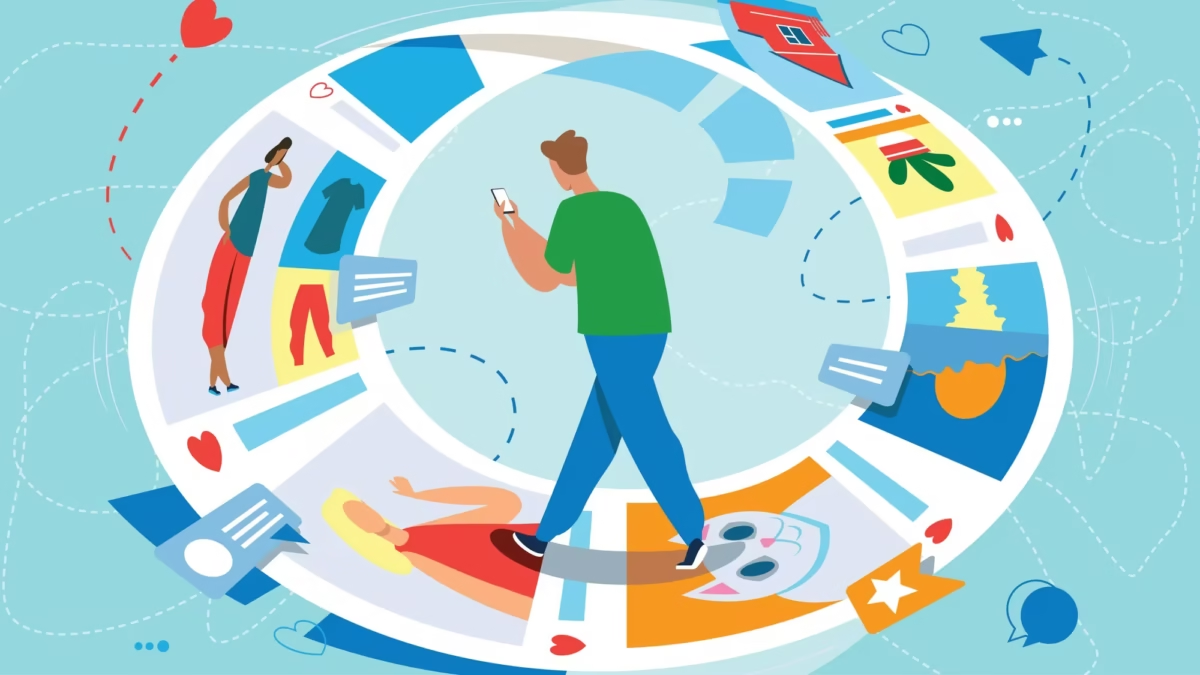
Social Media Fatigue and AI Slop Forecast to Break Our Doomscrolling Addiction
After more than a decade of growth in social media usage, a new trend is emerging that experts believe could dramatically shift how people interact with online platforms. Increasing social media fatigue, combined with the rise of low-quality AI-generated content — often referred to as “AI slop” — may contribute to a reduction in compulsive social media behavior, particularly doomscrolling. Many analysts now predict that 2026 could mark the beginning of a broader move away from endless scrolling and toward healthier digital habits.
This shift comes as global users report growing dissatisfaction with the quality of content on social feeds, accompanied by concerns about mental health and overall well-being.
What Is Social Media Fatigue?
Social media fatigue refers to the weariness users feel after prolonged interaction with social platforms. This may include:
- Feeling overwhelmed by constant updates
- Being exposed to repetitive or low-quality content
- Experiencing stress or burnout related to online interactions
Users often begin to feel drained rather than entertained after spending hours scrolling through feeds and watching videos, especially when much of the content lacks substance or meaning.
Fatigue doesn’t affect everyone equally, but research suggests that younger users — who typically spend more time on social platforms — may be especially prone to feeling burned out by constant connectivity.
AI Slop: Flooding Feeds with Low-Quality Content
One major driver of fatigue is the increasing prevalence of AI slop — AI-generated or algorithmically assembled content that often lacks quality, originality, and relevance. As AI tools become more widespread and easier to use, social media feeds are increasingly populated with repetitive or generic posts.
Marketers and creators have embraced AI for efficiency, but many viewers now report that this content feels uninspired or dull, leading to weakening engagement. Some studies show that audiences’ enthusiasm for AI-generated creator work has declined significantly in recent years, suggesting that viewers are becoming tired of low-energy, repetitive content formats.
The result is a kind of content saturation that pushes users away rather than keeping them engaged — a stark contrast to the highly addictive feeds of the past.
Doomscrolling: An Addictive Habit
To understand why this shift matters, it helps to define doomscrolling. This behavior involves endlessly scrolling through negative or distressing content, often on social media or news sites, even when it causes anxiety or distress. Doomscrolling is driven by platform algorithms that reward continuous engagement, keeping users glued to their feeds.
Psychological research shows doomscrolling can create a cycle of anxiety and stress. Constant exposure to negative content has been linked to increased levels of stress, worry, and even sleep disruption when it becomes a habitual pattern.
While individuals may start doomscrolling to stay informed, the behavior can transform into an unhealthy habit that affects mood and mental health.
Why Doomscrolling Is Hard to Break
Doomscrolling is not just mindless browsing — it’s a behavior rooted in human psychology. People tend to be naturally drawn to negative information because it often signals threats or important changes in their environment. This evolutionary trait means negative content can have a strong pull, making it difficult to disengage even after it causes distress.
Additionally, social platforms are designed to maximize engagement. Infinite scroll interfaces, autoplay videos, and recommendation algorithms keep users hooked by constantly presenting fresh content, triggering dopamine responses that mimic other addictive behaviors.
That said, recent trends indicate that these mechanics might be losing their power as users become more aware of their negative effects.
Signs of Social Media Fatigue
Researchers and analysts have observed several patterns that signal social media fatigue:
- Declining overall engagement on social platforms
- Users spending less time on feeds than in previous years
- Increased frustration with repetitive or low-quality posts
- Growing interest in alternative media sources
- Users taking deliberate breaks from scrolling
These trends suggest that many people are instinctively seeking healthier ways to use digital media.
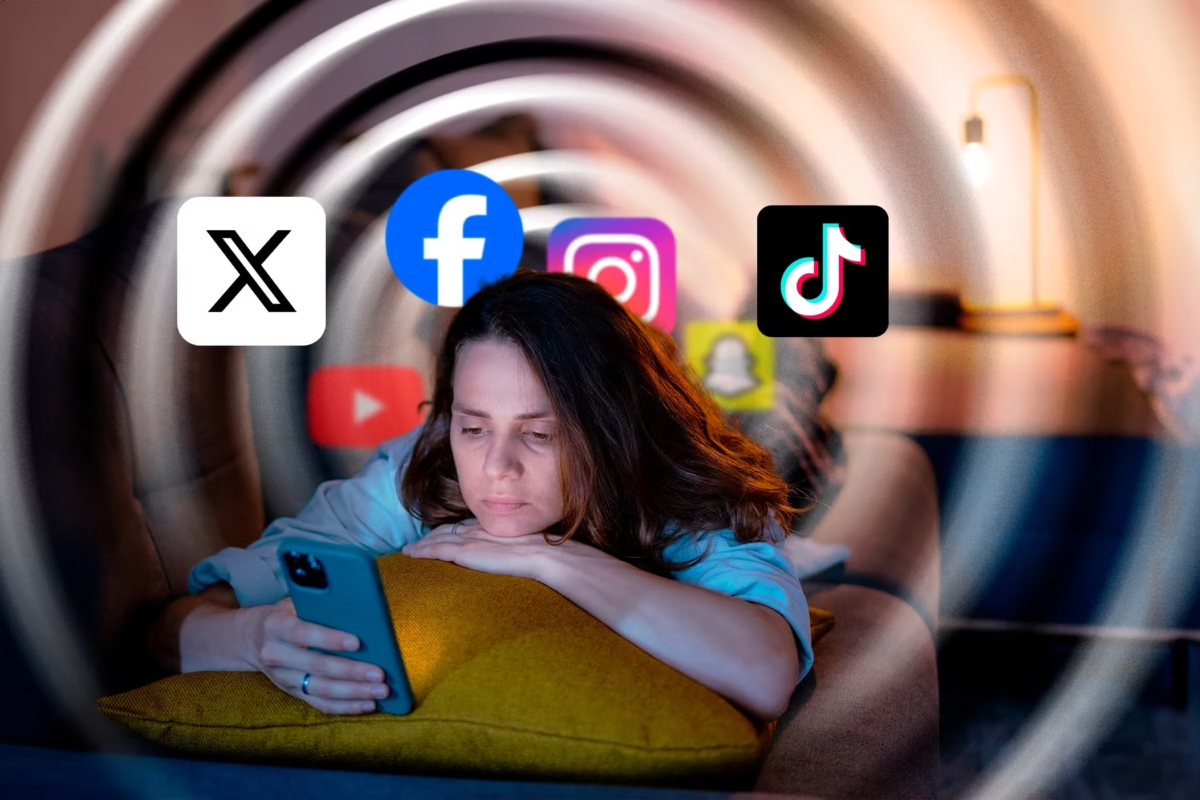
Are People Breaking Their Doomscrolling Habits?
Experts now believe 2026 could be a turning point. A combination of factors is driving users to rethink their relationship with social media:
- Low-quality AI content that fails to engage
- Mental fatigue from constant exposure to trivial or distressing posts
- Users seeking more meaningful experiences elsewhere
- Platforms experimenting with features that minimize addictive patterns
Instead of mindlessly scrolling through endless feeds, some users are starting to gravitate toward curated, human-centered content such as newsletters, blogs, community forums, or offline activities.
This trend might just signal the beginning of a broader cultural shift in how people consume information online.
The Role of Platform Design and Algorithms
Social media platforms thrive on user engagement, and their algorithms are engineered to maximize time spent on the site. However, as people become more aware of the negative consequences of these systems — including stress, anxiety, and momentum toward uninspired AI content — there is growing pressure on tech companies to rethink their design choices.
User demand for more meaningful, high-quality content may encourage platforms to prioritize editorialized, curated feeds rather than endless algorithmic streams of AI-generated posts.
Health Impacts of Continuous Scrolling
Pulse research into digital behavior shows that prolonged doomscrolling and social media use can:
- Increase stress and anxiety
- Disrupt sleep patterns
- Contribute to feelings of loneliness and disconnection
- Reinforce negative emotional states
By recognizing these effects, more users are taking proactive steps to modify their online habits — even if it means limiting time spent on social feeds.
Ways Users Are Reducing Doomscrolling
Many people are adopting strategies to reduce their reliance on social media feeds, including:
- Setting daily time limits on apps
- Turning off push notifications
- Subscribing to curated newsletters or blogs
- Replacing scrolling with hobbies or offline activities
- Following content that inspires rather than drains
These small changes can help users regain control over their attention and reduce the impact of compulsive scrolling.
FAQs (Schema-Ready)
Q1: What is social media fatigue?
Social media fatigue is the exhaustion users feel after excessive scrolling, repetitive content, and constant algorithm-driven updates.
Q2: What does AI slop mean?
AI slop refers to low-quality, repetitive AI-generated content that floods social media feeds and reduces user engagement.
Q3: What is doomscrolling addiction?
Doomscrolling addiction is the habit of endlessly consuming negative or distressing content, often harming mental well-being.
Elevate Your Brand with MasterInDesign 🚀
Don’t let your business get left behind in today’s fast-paced digital world. At MasterInDesign, we specialize in helping brands stand out, engage audiences, and grow online.
Take the next step toward digital excellence. Contact us today and transform your brand into a powerful online presence