

Apple iPhone 18 Pro Secrets Leaked in Tata Electronics Hack: What We Know
June 30, 2026
US Lifts Restrictions on Anthropic’s Powerful AI Models Fable and Mythos
July 1, 2026
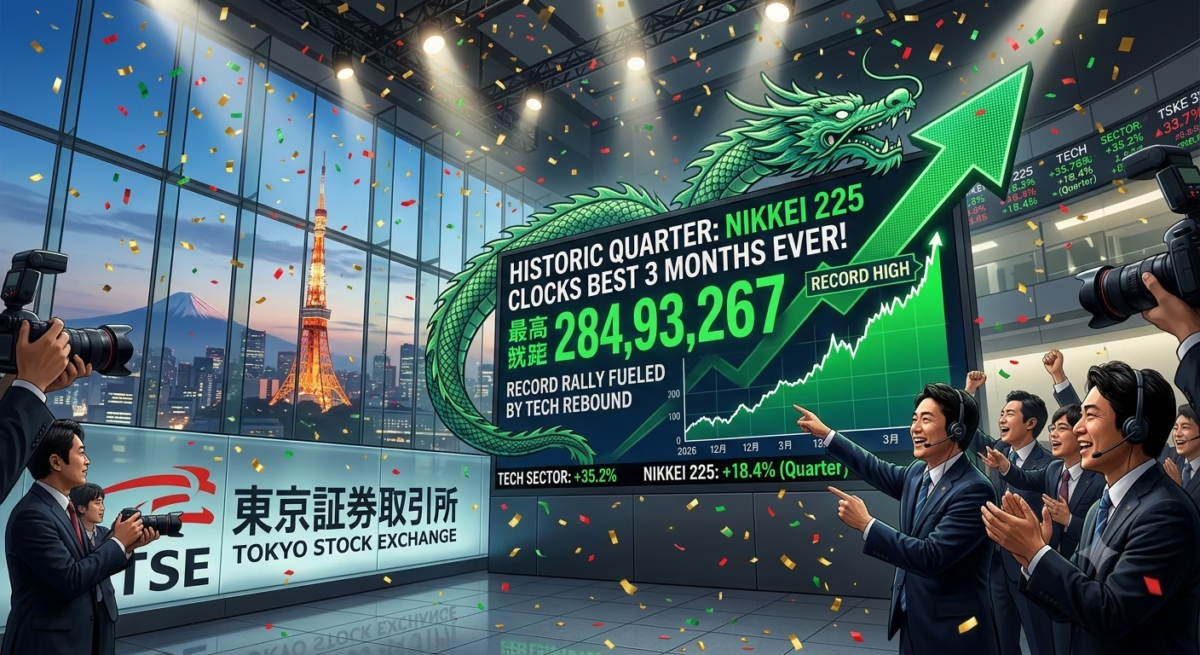
Japan’s Nikkei Clocks Best Quarter on Record as Tech Stocks Drive Historic Rally
Japan’s Nikkei 225 ended the quarter with its strongest quarterly performance on record, fueled by a powerful rebound in technology stocks, improved investor sentiment, and optimism surrounding artificial intelligence and semiconductor demand. The impressive rally has reinforced confidence in Japan’s stock market, with many analysts suggesting the benchmark index could continue challenging historic highs if favorable economic conditions persist.
The record-breaking quarter reflects renewed interest in Japanese equities after months of strong corporate earnings, improving governance reforms, and increased foreign investment.
Nikkei Posts a Historic Quarterly Gain
The Nikkei 225 delivered its best quarterly performance in history, supported by gains across technology, electronics, and manufacturing companies.
Several factors contributed to the rally, including:
- Strong semiconductor demand
- AI-related investments
- Positive corporate earnings
- Improved global market sentiment
- Increased foreign investor participation
The combination of these factors helped push Japanese stocks significantly higher throughout the quarter.
Technology Stocks Lead the Rally
Technology companies played the biggest role in driving the Nikkei’s record performance.
Investors continued buying shares in businesses connected to:
- Artificial intelligence
- Semiconductor manufacturing
- Robotics
- Automation
- Electronic components
- Advanced manufacturing
Growing global demand for AI infrastructure has created new opportunities for Japanese technology suppliers.
Why Investors Are Buying Japanese Stocks
Japan has become increasingly attractive to international investors for several reasons.
These include:
- Corporate governance improvements
- Strong company profits
- Stable financial institutions
- Competitive exports
- Shareholder-friendly policies
Many global investment firms have increased their exposure to Japanese equities over the past two years.
AI Boom Supports the Market
Artificial intelligence remains one of the strongest drivers of global equity markets.
Japanese companies supply critical technologies used in AI development, including:
- Precision manufacturing equipment
- Semiconductor materials
- Industrial robotics
- Electronic components
As AI investment continues expanding worldwide, many Japanese firms are benefiting from increased demand.
Record Japan Profits Strengthen Confidence
Strong corporate earnings have reinforced optimism among investors.
Many Japanese companies have reported:
- Higher revenues
- Improved operating margins
- Better profitability
- Increased shareholder returns
- Strong export performance
Healthy corporate results have supported higher stock valuations across multiple sectors.
Can the Nikkei Reach Another Record High?
Following its historic quarterly gain, many market analysts believe the Nikkei could continue testing new highs.
Future performance will depend on:
- Global economic growth
- AI investment trends
- Interest rate policies
- Corporate earnings
- Currency movements
While volatility remains possible, investor sentiment toward Japanese equities has improved considerably.
Looking Back at Japan’s Previous Market Records
Japan’s stock market has experienced dramatic cycles over the past several decades.
The Nikkei reached historic highs during the late 1980s before entering a prolonged period of slower growth.
Recent gains have renewed discussion about whether the current market can sustainably surpass previous milestones under stronger economic fundamentals.
Nikkei’s Biggest Two-Day Drop in History
Although the Nikkei recently recorded its strongest quarter, investors also remember periods of significant market volatility.
One notable example was the index’s biggest two-day decline, which demonstrated how quickly market sentiment can change during periods of global uncertainty.
These historical swings continue reminding investors about the importance of diversification and long-term investing.
Foreign Investors Return to Japan
International investment has played an important role in the Nikkei’s recent strength.
Foreign institutional investors have shown growing confidence in Japan because of:
- Improved governance
- Competitive valuations
- Strong exports
- Technology leadership
- Stable financial markets
Their continued participation has increased liquidity throughout Japan’s equity market.
Semiconductor Industry Drives Growth
The semiconductor industry remains one of Japan’s biggest competitive advantages.
Japanese companies continue supplying:
- Chip manufacturing equipment
- Specialty chemicals
- Industrial machinery
- Advanced materials
- Precision components
These products are essential for global semiconductor production and AI hardware development.
The Role of the Japanese Yen
Currency movements continue influencing Japan’s export-oriented economy.
A relatively competitive yen can help exporters by making Japanese products more attractive internationally.
However, exchange rate fluctuations also affect import costs and corporate profitability.
Investors continue monitoring currency trends alongside stock market performance.
Japan Time Update: Global Markets Stay Focused
Because Japanese markets open before many Western exchanges, investors worldwide closely watch developments during Japan trading hours.
The Nikkei’s strong performance often influences sentiment across other Asian markets before European and U.S. trading begins.
Beyond Stocks: Japan’s Manufacturing Strength
Japan remains one of the world’s leading manufacturing economies.
Its strengths include:
- Automotive production
- Consumer electronics
- Industrial robotics
- Semiconductor equipment
- Precision engineering
These industries continue supporting long-term economic growth while attracting international investment.
Japan Quartz and Industrial Technology
Although many people search for Japan quartz or Japan quartz price, these terms generally relate to Japan’s reputation for producing high-quality quartz movements used in clocks and watches rather than the Nikkei stock market.
Japan also remains globally recognized for precision manufacturing across numerous industries.
Japanese Wall Clock Machines
Japan has long been known for producing reliable Japanese wall clock machines and precision timekeeping technology.
The country’s expertise in manufacturing continues extending beyond consumer products into advanced industrial equipment and electronics.
Risks That Could Affect the Market
Despite the record quarter, investors should remain aware of potential risks.
These include:
- Global economic slowdown
- Higher interest rates
- Geopolitical tensions
- Supply chain disruptions
- Currency volatility
Any of these factors could influence future stock market performance.
Outlook for Japan’s Stock Market
Many analysts remain optimistic about Japan’s equity market.
Continued strength may depend on:
- AI investment
- Semiconductor demand
- Corporate earnings
- Stable monetary policy
- Foreign investment
If these trends continue, Japan’s stock market could remain one of Asia’s strongest-performing equity markets.
Conclusion
Japan’s Nikkei 225 has achieved its best quarterly performance on record, driven largely by a rebound in technology stocks and growing optimism surrounding artificial intelligence. Strong corporate profits, renewed foreign investment, and continued semiconductor demand have positioned Japan’s stock market among the world’s strongest performers. While investors remain mindful of economic risks, the historic rally highlights Japan’s growing importance in the global technology and investment landscape.
Frequently Asked Questions (FAQs)
Why did Japan’s Nikkei perform so well this quarter?
The Nikkei benefited from strong technology stock gains, AI-related investment, solid corporate earnings, and increased foreign investor interest.
What is the Nikkei 225?
The Nikkei 225 is Japan’s leading stock market index, tracking 225 major publicly traded companies.
How has artificial intelligence influenced Japan’s stock market?
AI has increased demand for semiconductors, robotics, and manufacturing equipment produced by many Japanese companies.
Has the Nikkei reached record highs before?
Yes. The Nikkei reached historic highs during the late 1980s and has recently returned to levels approaching those milestones.
Why are foreign investors buying Japanese stocks?
Improved corporate governance, attractive valuations, strong earnings, and technology leadership have increased international interest.
Does the Japanese yen affect the stock market?
Yes. Exchange rate movements influence exporter profits and investor sentiment toward Japanese companies.
Elevate Your Brand with MasterInDesign 🚀
Don’t let your business get left behind in today’s fast-paced digital world. At MasterInDesign, we specialize in helping brands stand out, engage audiences, and grow online.
Our services include:
Take the next step toward digital excellence. Contact us today and transform your brand into a powerful online presence!