
Is Blue Light Ruining Your Sleep? New Research Says Probably Not
April 9, 2026
SBP Reserves Surge to $16.4 Billion: 2026 Pakistan Forex Analysis
April 10, 2026
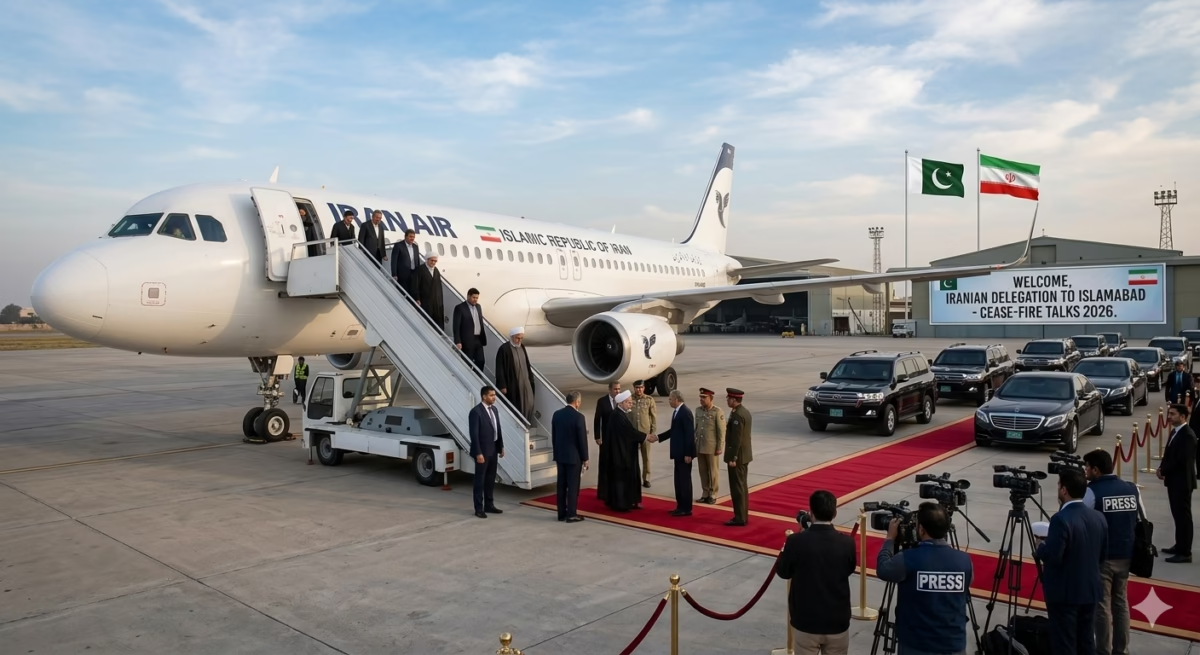
Iran’s Delegation Lands in Islamabad: A Crucial Step Toward 2026 Cease-Fire Talks
The geopolitical landscape of South Asia took center stage today as a high-level iran delegation landed at Nur Khan Airbase in Islamabad. Amidst the heightening tensions of the 2026 conflict, this visit is being viewed by global analysts as a “last-resort” diplomatic effort to reach a cease-fire agreement. With the global economy reeling from energy shocks and the looming Trump administration deadline, the eyes of the world are now fixed on Pakistan’s capital.
According to reports from the Wall Street Journal, the iran delegation visit to pakistan is not merely a courtesy call but a structured response to the escalating regional instability. Islamabad, maintaining its historic role as a mediator, is hosting these talks to prevent a further spillover of the conflict that has already reshaped global power dynamics.
The Significance of the Iran Delegation in Pakistan
The arrival of the iran delegation marks a pivotal moment in the 2026 war timeline. As the April deadline approaches, the pressure on Tehran to find a diplomatic exit has intensified. Pakistan’s unique position—sharing a border with Iran while maintaining strategic ties with Western powers—makes it the ideal neutral ground for these high-stakes negotiations.
Key officials within the delegation are expected to meet with Pakistan’s top civil and military leadership to discuss:
- Security Corridors: Ensuring the safety of regional borders and preventing non-state actors from exploiting the vacuum.
- Energy Stability: Addressing the disruption of oil and gas flows that have sent global prices soaring.
- Cease-Fire Framework: Outlining the terms for a de-escalation that satisfies international red lines.
Why Islamabad? The Role of Mediation
Pakistan has frequently served as a bridge between the Middle East and the West. The iran delegation pakistan talks are focused on creating a “de-confliction zone.” For Tehran, Islamabad offers a platform where they can voice their security concerns without the immediate hostility often found in Western capitals. For the international community, Pakistan provides a credible channel to relay terms for a sustainable peace.
The 2026 conflict has already proven that military solutions carry a heavy economic price tag. By hosting the iran delegation, Pakistan is attempting to lead a regional initiative to stabilize the “Golden Crescent” and restore economic normalcy to the trade routes connecting Central and South Asia.
Global Economic Implications of the Talks
The news of the delegation’s arrival had an immediate effect on the markets. Brent crude futures saw a slight dip of 1.5% as traders speculated that a breakthrough in Islamabad could lead to the reopening of critical maritime routes.
If the talks yield a framework for a cease-fire, the impact on the global economy would be profound:
- Lower Inflation: A cooling of the Iran conflict would immediately lower global energy and shipping costs.
- Market Stability: Stock exchanges in the US, Europe, and Asia have been highly volatile; a diplomatic win would provide much-needed certainty.
- Regional Trade: For Pakistan and its neighbors, peace means the resumption of cross-border infrastructure projects that have been stalled since the outbreak of hostilities.
Frequently Asked Questions (FAQs)
Q1: Why is the iran delegation visiting Pakistan specifically?
Pakistan is one of the few countries that maintains a balanced relationship with both Iran and the Western coalition. This neutrality makes Islamabad a trusted venue for “back-channel” diplomacy and official cease-fire negotiations.
Q2: Who is leading the iran delegation?
The delegation consists of senior diplomats and security advisors close to the supreme leadership, indicating that Tehran is taking these Islamabad talks with the utmost seriousness.
Q3: Is a cease-fire expected immediately after this visit?
While an immediate cease-fire is unlikely, the goal of this iran delegation visit to pakistan is to establish a “road map” for peace. The initial success will be measured by a commitment to stop further escalations.
Q4: How does this visit affect the US-Iran relationship?
The talks in Islamabad are a strategic alternative to direct negotiations. The US and its allies are closely monitoring the outcomes to see if Tehran is willing to meet the conditions set for a cessation of hostilities.
Q5: What is Pakistan’s main interest in these talks?
Pakistan’s primary interests are regional stability and economic security. A prolonged war on its western border threatens internal security and disrupts the economic corridors essential for its local economy.
Q6: What happens if the iran delegation talks fail?
If the diplomatic efforts in Islamabad do not yield results, analysts fear a significant escalation in the conflict, which could lead to even higher global oil prices and increased military involvement from global powers.
Elevate Your Brand with MasterInDesign 🚀
Don’t let your business get left behind in today’s fast-paced digital world. At MasterInDesign, we specialize in helping brands stand out, engage audiences, and grow online.
Take the next step toward digital excellence. Contact us today and transform your brand into a powerful online presence!