

Stop Relying on Browser Passwords – Strengthen Your Digital Security Today
October 13, 2025
Fake LastPass & Bitwarden Breach Alerts Hijack PCs via Remote Access Malware
October 15, 2025

Google Meet Introduces AI-Powered Makeup Filters: Redefining Digital Presence in 2025
In 2025, digital communication is no longer just about clarity — it’s about confidence. Google has taken a bold step forward by introducing an AI-powered makeup feature in Google Meet, transforming how users present themselves during video calls. The update marks a new intersection between artificial intelligence and creative design, setting fresh standards for virtual appearance enhancement.
The Future of On-Camera Confidence
Virtual meetings have become an essential part of modern professional and creative life. Whether you’re attending a client pitch, a design collaboration, or a global webinar, appearance still plays a psychological role in confidence. Google’s latest AI beauty filter addresses this need with precision and design intelligence.
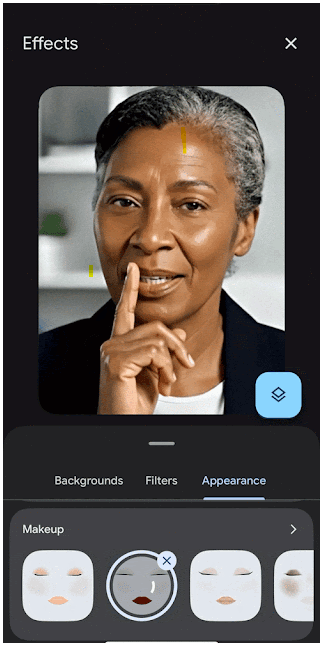
The feature uses real-time face enhancement powered by Google’s advanced machine learning models. It can subtly adjust lighting, skin tone, and facial details — all while maintaining a natural look. Instead of heavy digital filters, the AI delivers a soft, professional glow, designed to make users look camera-ready in any lighting condition.
Beyond Filters: Intelligent Design Meets Artificial Intelligence
What sets this update apart is its focus on authentic design balance. Traditional beauty filters often distort natural facial features or over-polish visuals. But Google’s new system relies on AI-driven mapping that analyzes facial geometry, skin textures, and color harmonies before applying virtual makeup.
This isn’t about changing how you look — it’s about enhancing your on-screen presence. The AI creates a look that feels real, not robotic. It’s design with empathy — where technology adapts to individuality.
Designed for Every Professional
The feature rollout includes multiple preset styles — from “Subtle Glow” for everyday meetings to “Polished Look” for high-stakes presentations. Users can fine-tune the makeup intensity or color tones based on personal preference, all accessible from the Meet interface without third-party extensions.
For creative professionals — designers, artists, and content creators — this feature opens a new layer of digital identity. Imagine showcasing your creative work in real-time with the confidence of a perfect visual presentation. It’s the next evolution of visual branding through AI.
The Creative Tech Behind the Filter
Google’s design and AI teams collaborated to integrate computer vision algorithms, neural rendering, and face-mapping technologies. These tools allow the system to understand light direction, camera angle, and facial contours in milliseconds. The AI then applies dynamic shading and texture effects that adapt instantly as the user moves.
This innovation not only boosts user confidence but also showcases how AI design tools can create emotionally intelligent experiences — a concept that design studios worldwide are starting to embrace.
A Step Toward Personalized AI Design
With this release, Google isn’t just offering a new Meet feature — it’s making a statement about the future of personalized AI. The AI makeup filter reflects a shift toward adaptive, inclusive design systems that understand the user’s environment, emotions, and creative needs.
Designers at Master In Design see this as a milestone moment for AI-driven aesthetics. It proves that technology can be both functional and beautiful — merging logic with art.
How It Impacts the Creative Industry
In the digital age, presentation is perception. For businesses and creatives alike, the first impression often happens through a screen. The AI beauty filter trend will likely spark new innovations in content creation, influencer marketing, and brand identity.
Soon, we may see a rise in AI-powered visual tools across video, photography, and AR-based product design — tools that blend self-expression with smart technology. Google’s move is just the beginning of an era where AI enhances creativity, not replaces it.
Final Thoughts
The new Google Meet AI update reflects a deeper truth: in design and technology, human experience comes first. By bridging virtual communication with authentic self-expression, Google is showing how AI can support creativity rather than overshadow it.
As digital professionals, this is our cue to explore, adapt, and redefine how design meets intelligence in 2025.