Iran’s New Supreme Leader Says Strait of Hormuz Will Remain Closed – Latest US-Iran War Update
March 12, 2026
LinkedIn Updates Its Feed Algorithm: How to Optimize Posts in 2026
March 13, 2026
Wall Street Warns Iran War Will Trigger Prolonged Energy Crisis
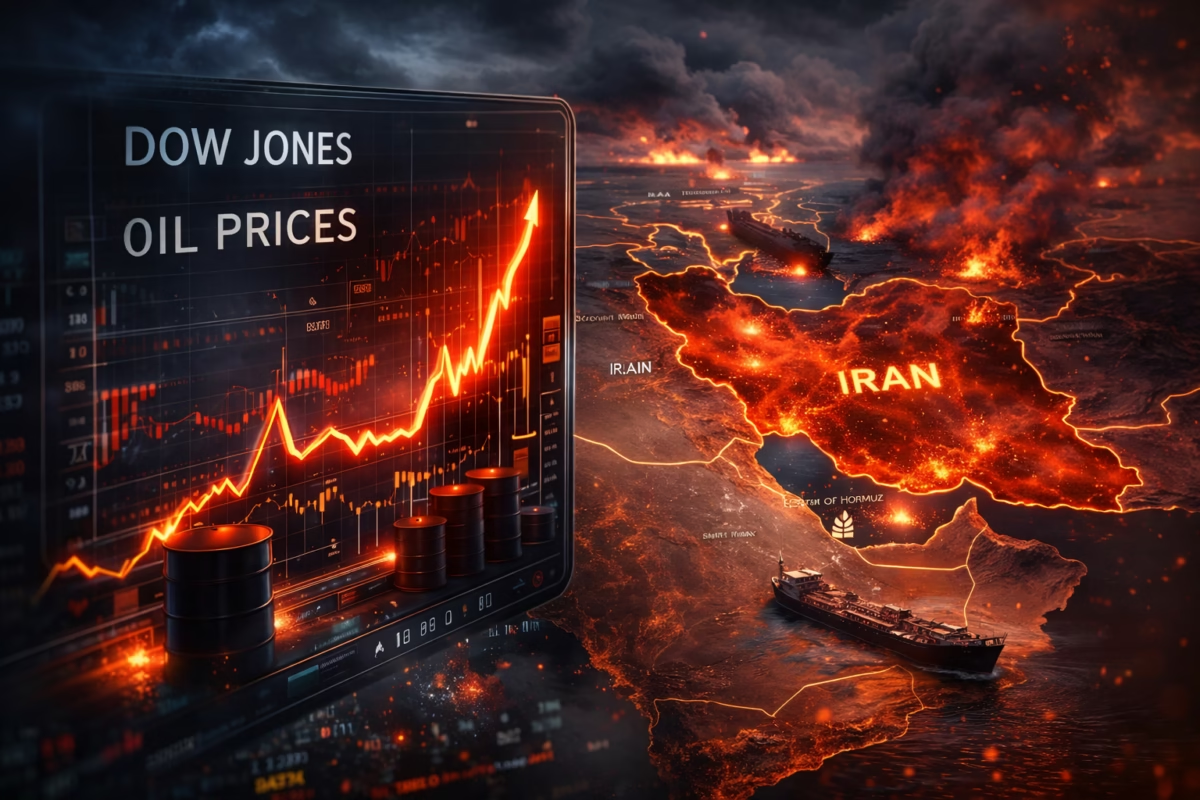
Wall Street analysts are warning that the ongoing conflict involving Iran could trigger a prolonged global energy crisis, with severe consequences for global markets and economies. The intensifying war in the Middle East, coupled with disruptions to energy infrastructure and key shipping routes, has already pushed oil prices higher and raised concerns about long‑term supply shortages.
Industry experts are particularly focused on the possibility that continued geopolitical tensions will further tighten energy markets at a time when global demand remains elevated. Investors and financial institutions are closely monitoring developments, as prolonged instability in the region could threaten economic growth worldwide.
Conflict Escalation and Energy Market Risk
The conflict escalated when military strikes occurred in Iranian territory, leading to retaliatory attacks and heightened tensions across the region. These military actions have not only created a dangerous security situation but also significantly impacted energy infrastructure and transport corridors.
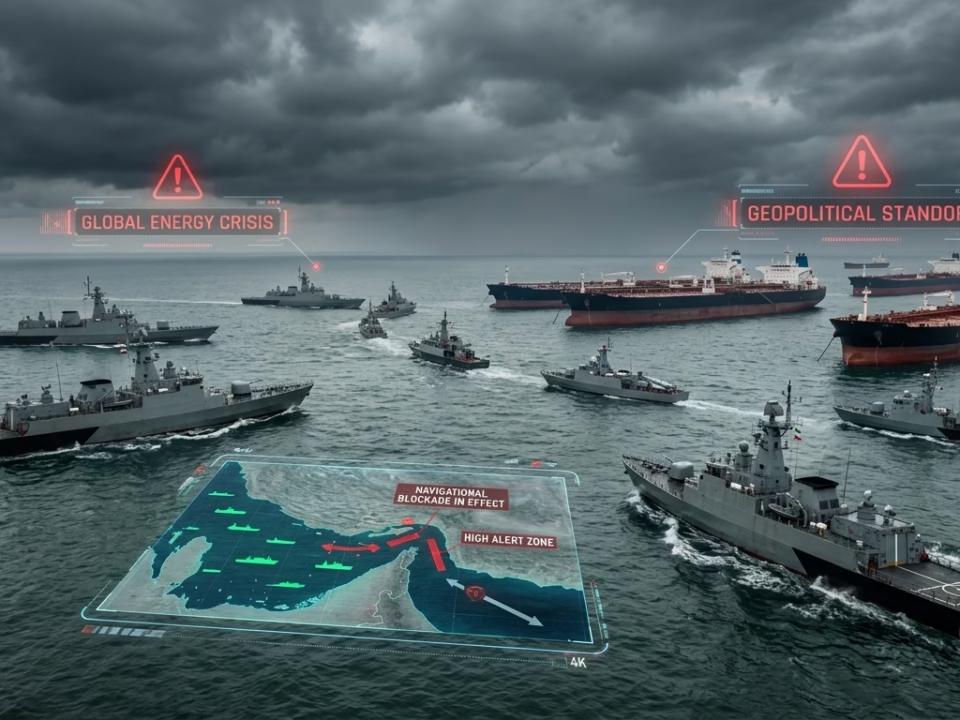
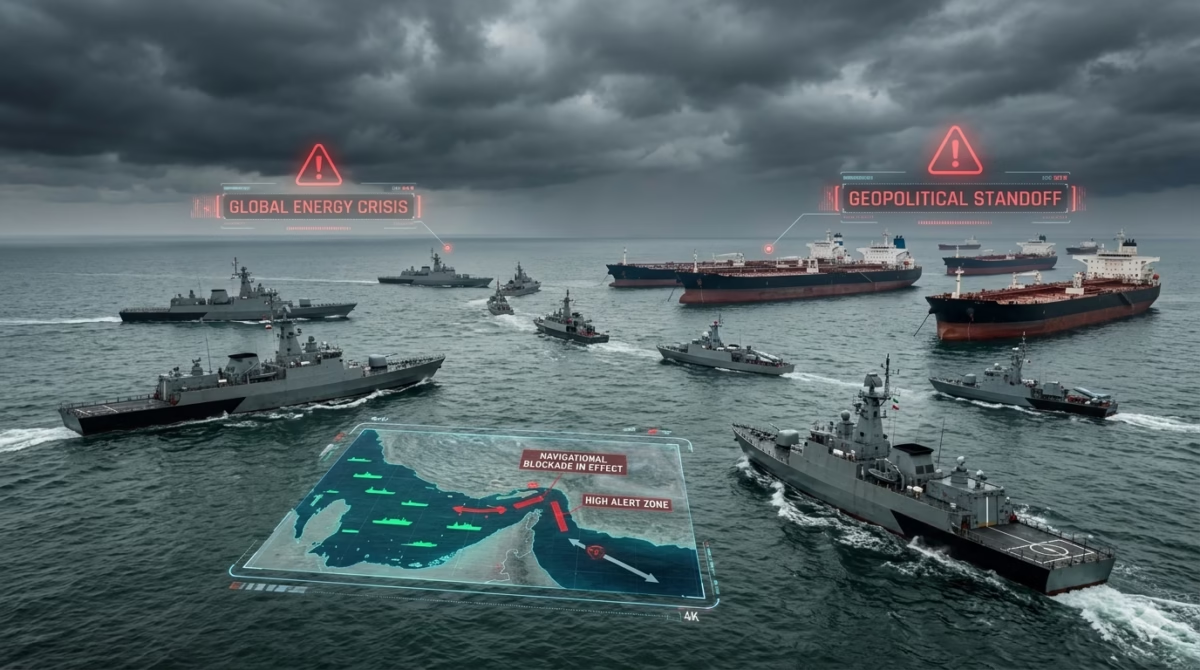
One of the most important energy arteries affected is the Strait of Hormuz, a narrow waterway through which a substantial portion of the world’s oil and liquefied natural gas normally flows. With tanker traffic sharply reduced due to the ongoing hostilities, global supply has been tightened, forcing traders and countries to reevaluate energy sources and routes.
Wall Street’s Warning on a Prolonged Energy Crisis
Financial analysts on Wall Street are not just reacting to short‑term price spikes — they are warning that this conflict could lead to a sustained energy crisis. With supply disruptions possibly lasting weeks or even months, markets may face chronic shortages of crude oil and refined petroleum products.
Higher energy prices could feed into broader inflationary pressures, increasing costs for transportation, manufacturing, and consumer goods. This, in turn, could dampen consumer spending and slow economic growth in developed and emerging economies alike.
The risk of energy scarcity has also sparked renewed interest in alternative supply sources, strategic petroleum reserves, and long‑term investments in energy security. However, these measures may take time to mitigate the impact of prolonged disruptions.
The Strategic Importance of Middle East Oil
The Middle East has long been a cornerstone of global energy supply, with a large share of the world’s crude oil and natural gas production originating from the region. Any conflict that disrupts production or exports can have an outsized impact on global markets.
Energy companies and governments alike are concerned that continued fighting could damage production facilities, pipelines, and export terminals. Damage to infrastructure not only reduces immediate output but can take months or years to repair, further exacerbating supply issues.
Impact on Oil Prices and Global Economy
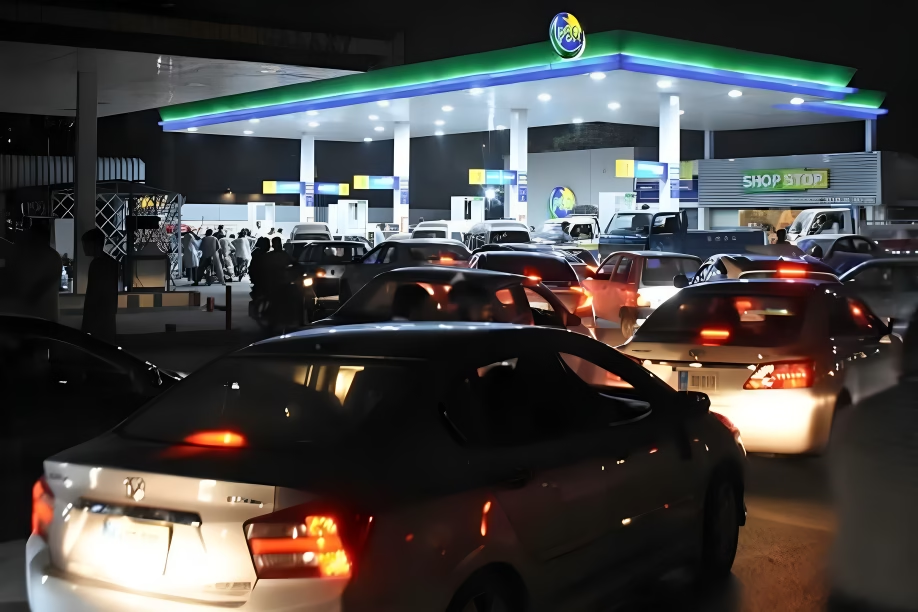
As supply uncertainty grows, oil prices have climbed sharply in response. Persistent high prices could eventually filter through to a wide range of economic sectors. For consumers, this may lead to higher gasoline, heating oil, and electricity costs. For businesses, energy represents a significant portion of operating expenses, meaning higher input costs could reduce profit margins.
Central banks, already grappling with inflation, may face tougher decisions if energy‑driven inflation persists. Higher interest rates could slow investment and spending, potentially raising the risk of economic recession in some regions.
The possibility of a prolonged energy crisis has also forced governments to reassess energy policies, including fuel subsidies, strategic reserves, and long‑term renewable energy goals. Nations that heavily depend on imported oil are particularly vulnerable and may seek to diversify their energy sources more aggressively.
Iran’s Position and Regional Demands
Iran has consistently demanded an end to the war and called for diplomatic resolutions. Iranian leadership has emphasized that continued conflict will only worsen economic hardship and destabilize global markets. Tehran’s position has been that lasting peace, rather than military escalation, is necessary to ensure regional stability.
Despite these calls, fighting has continued, and international diplomatic efforts have struggled to gain traction. Negotiators from several countries are attempting to mediate, but progress has been slow and tentative.
Plane Crash Incident Amid the War
Adding to tensions, a tragic military plane crash occurred during the conflict. The incident has raised concerns about operational safety and the chaotic conditions created by ongoing warfare. While details are still emerging, the crash has reminded global observers of the unpredictable human cost of the conflict.
Global Reaction and Energy Strategy Shifts
Countries around the world are watching developments with growing apprehension. Many have already begun adjusting energy strategy plans, including tapping into reserves, boosting domestic production, and accelerating investments in renewable energy technologies.
International cooperation on energy security is being discussed at higher levels, as policymakers look for ways to reduce dependence on volatile energy regions during times of conflict.
FAQs
1. What warning has Wall Street issued?
Wall Street analysts warn that the Iran war could lead to a prolonged global energy crisis, with significant disruptions to oil supply and higher energy prices.
2. Why is oil supply at risk?
The conflict has disrupted key energy infrastructure and shipping routes, reducing the flow of oil and gas from one of the world’s major producing regions.
3. How could this affect everyday consumers?
Higher energy costs could lead to more expensive gasoline, heating, and goods, as energy costs filter through the economy.
4. What has Iran demanded?
Iran has called for an end to the war and urged diplomatic solutions, warning that continued conflict will worsen instability and economic hardship.
5. What was the plane crash mentioned?
A military plane crashed during the conflict, highlighting the dangerous and unpredictable conditions created by ongoing warfare.
Elevate Your Brand with MasterInDesign 🚀
Don’t let your business get left behind in today’s fast-paced digital world. At MasterInDesign, we specialize in helping brands stand out, engage audiences, and grow online.
Take the next step toward digital excellence. Contact us today and transform your brand into a powerful online