
Pakistan to Fight On in Afghanistan Until Militants Cleared — Military Update
March 4, 2026
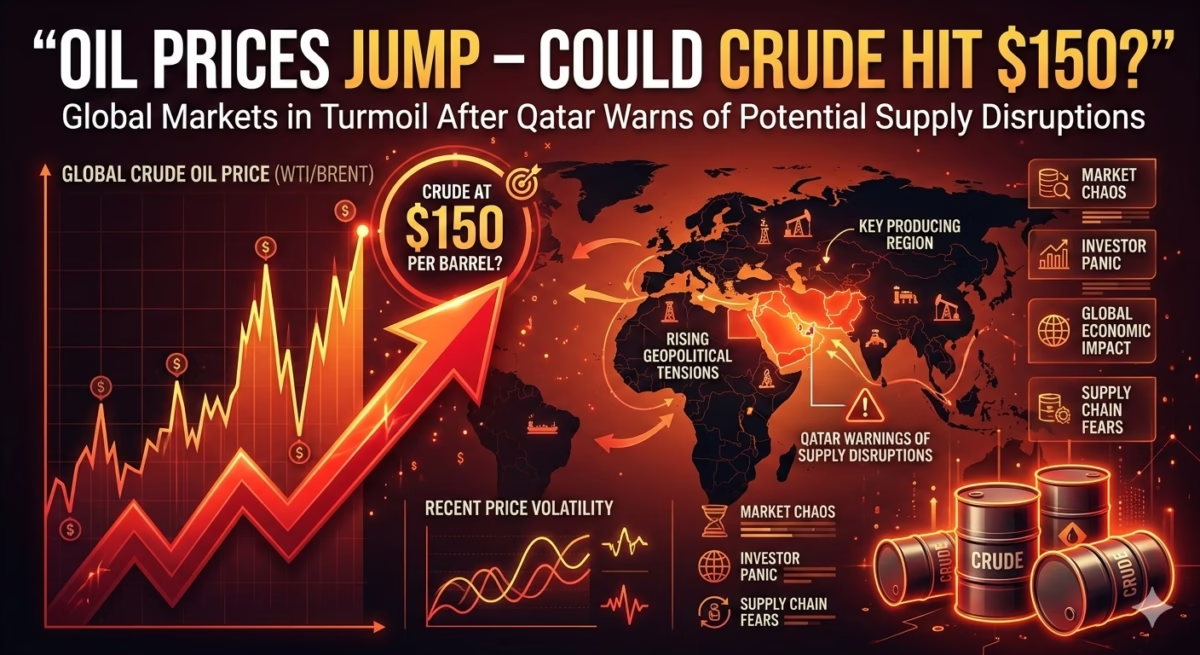
Oil Prices Jump After Qatar Warning: Could Crude Hit $150?
March 6, 2026
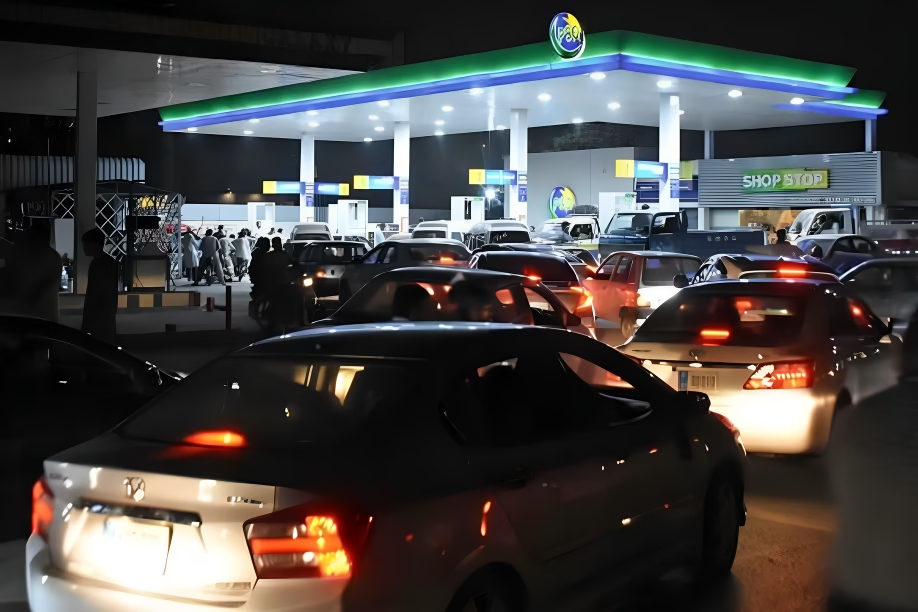
Petrol and Diesel Prices Increased by Rs55 in Pakistan
Pakistan has once again witnessed a sharp rise in fuel costs after the government announced a Rs55 per litre increase in petrol and diesel prices. The decision, which took effect immediately, has triggered concern among citizens and economists who fear another wave of inflation across the country.
Fuel prices play a crucial role in Pakistan’s economy because transportation, manufacturing, and agriculture all depend heavily on petroleum products. As a result, any major petrol price increase in Pakistan quickly impacts the cost of living.
The latest increase is considered one of the largest single fuel price hikes in recent months, raising questions about economic stability and public affordability.
Why Petrol and Diesel Prices Increased in Pakistan
Several factors contributed to the sudden rise in petroleum prices in Pakistan. Government officials have linked the increase primarily to global oil market instability and geopolitical tensions affecting international supply chains.
Firstly, international crude oil prices have surged in recent weeks due to uncertainty in the Middle East. When global oil prices increase, countries like Pakistan— which rely heavily on imported fuel— inevitably experience higher domestic prices.
Secondly, the government is reviewing a new mechanism to adjust petroleum prices more frequently, possibly moving from a fortnightly system to a weekly review. This policy aims to respond quickly to fluctuations in international oil markets.
Moreover, economic pressure from rising import costs and currency fluctuations has also played a role. Since Pakistan imports a large portion of its petroleum products, any change in global markets directly affects domestic pricing.
New Petrol and Diesel Prices in Pakistan
With the latest revision, both petrol and high-speed diesel have increased by Rs55 per litre, a move that immediately affected fuel stations across the country.
Although official price breakdowns vary depending on taxes and transportation costs, the increase significantly raises the overall fuel price in Pakistan.
For consumers, this means higher transportation expenses, increased delivery charges, and rising costs for essential goods. Businesses that rely on logistics are expected to pass these additional costs to customers.
As a result, the petrol price in Pakistan today is likely to influence prices in almost every sector.
Impact of the Fuel Price Hike on the Economy
The increase in diesel and petrol prices in Pakistan could have widespread economic consequences. Fuel costs affect almost every industry, and even small increases can trigger chain reactions throughout the economy.
1. Rising Inflation
Higher fuel prices often lead to higher inflation. Transportation costs increase, which means the price of food, groceries, and other goods may also rise.
2. Transportation Costs
Public transport, ride-hailing services, and logistics companies depend heavily on diesel and petrol. With fuel becoming more expensive, fares and delivery charges may soon increase.
3. Agricultural Sector
Diesel is widely used in farming equipment and irrigation systems. Therefore, a diesel price hike in Pakistan may increase agricultural production costs and potentially raise food prices.
Public Reaction to the Petrol Price Increase
As expected, the announcement has sparked mixed reactions across Pakistan. Many citizens have expressed frustration, saying that rising fuel costs make daily life increasingly difficult.
For families already struggling with inflation, the new petrol price increase in Pakistan adds another financial burden.
Meanwhile, economic analysts argue that the government had limited options due to rising global oil prices and external financial pressures.
Nevertheless, the public continues to hope for measures that can stabilize fuel prices and reduce economic stress.
Global Oil Market and Its Influence on Pakistan
Pakistan’s petroleum pricing is closely linked to international oil markets. Whenever global crude prices rise, the cost of importing fuel increases.
Recently, geopolitical tensions and supply disruptions have caused oil prices to climb. As a result, countries that rely on imported petroleum— including Pakistan— face rising fuel costs.
In addition, shipping costs, insurance premiums, and currency fluctuations also contribute to the final petrol price in Pakistan.
Because of these external factors, controlling fuel prices becomes extremely challenging for governments.
Possible Future Changes in Fuel Pricing Policy
Interestingly, authorities are considering a shift toward weekly fuel price reviews instead of the current fortnightly adjustment system.
If implemented, this system would allow the government to respond more quickly to global price changes. However, it could also mean more frequent fluctuations in petrol and diesel prices in Pakistan.
For consumers and businesses, this may create uncertainty because fuel prices could change more often.
On the other hand, policymakers believe this approach could prevent sudden large increases like the recent Rs55 hike.
How Citizens Can Manage Rising Fuel Costs
Although the fuel price increase in Pakistan is beyond individual control, there are several ways people can reduce the financial impact.
For example:
- Using public transportation when possible
- Carpooling with colleagues or family members
- Reducing unnecessary travel
- Maintaining vehicles for better fuel efficiency
Small adjustments in daily routines can help households manage higher fuel expenses.
The Bigger Picture: Fuel Prices and Economic Stability
Ultimately, the recent petrol and diesel price increase in Pakistan reflects broader economic challenges. Global energy markets remain unstable, and many developing countries are facing similar issues.
While the government hopes the adjustment will help manage import costs and economic pressure, the real test will be how the economy adapts in the coming months.
If international oil prices stabilize, Pakistan may eventually see relief in fuel prices. However, if global tensions continue, further increases cannot be ruled out.
For now, citizens, businesses, and policymakers must prepare for the economic ripple effects caused by rising petroleum prices in Pakistan.
Conclusion
The Rs55 increase in petrol and diesel prices in Pakistan marks a significant development in the country’s economic landscape. While the government attributes the move to global oil market pressures and import costs, the impact will likely be felt across every sector of society.
From transportation and agriculture to everyday household expenses, fuel prices influence nearly every aspect of life in Pakistan.
Therefore, monitoring future fuel price updates will be essential for understanding the direction of the country’s economy and the cost of living.