

Google Project Genie AI Creates Playable Worlds
January 30, 2026
A Look Inside Moltbook: The Reddit-Style Social Media for AI Agents
February 2, 2026
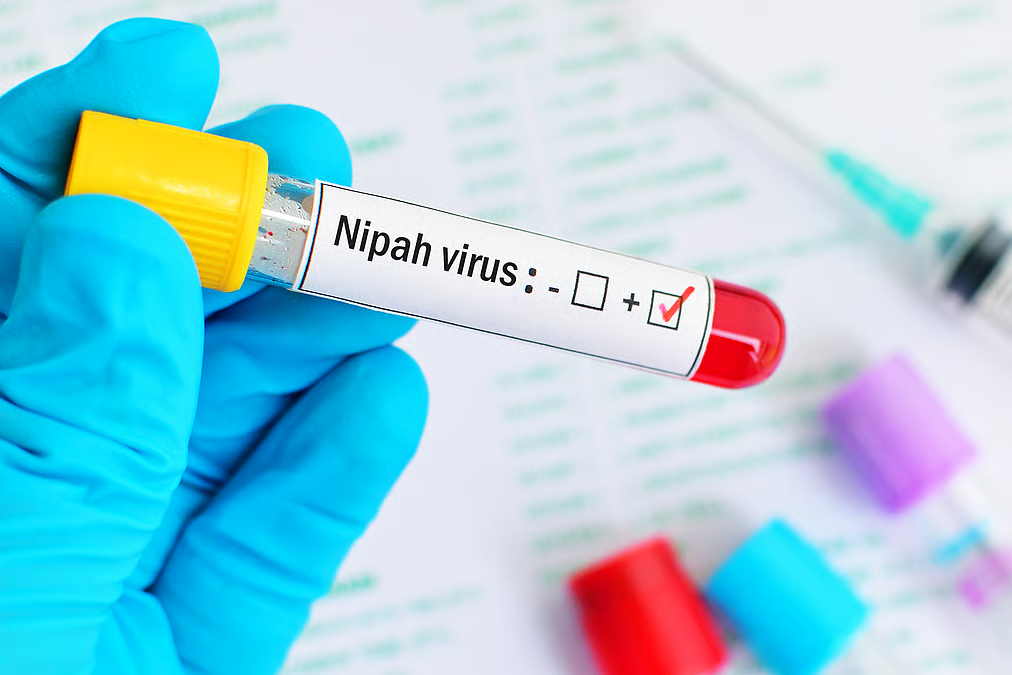
Nipah Virus Alert in Pakistan: Authorities Heighten Precautions Following Cases in India
Pakistan is on high alert following the recent Nipah virus outbreak in India’s West Bengal. Although the country has not yet reported any confirmed cases, health authorities across the provinces have taken extensive measures to ensure public safety, strengthen surveillance, and prevent cross-border transmission. The situation has prompted hospitals, airports, and governmental agencies to coordinate a rapid response, emphasizing early detection, public awareness, and preventive measures.
Understanding Nipah Virus
Nipah virus is a zoonotic pathogen, meaning it is transmitted from animals to humans. Fruit bats of the Pteropus genus are the natural hosts, and the virus can be transmitted to humans via contaminated food, direct contact with infected animals, or close interaction with infected individuals.
Nipah virus infection is associated with high mortality, with fatality rates ranging between 40% and 75%. Symptoms generally begin with fever and headache, progressing to respiratory issues such as cough, shortness of breath, and in severe cases, encephalitis—an inflammation of the brain. Recovery depends on supportive medical care, as there is currently no approved vaccine or antiviral treatment for Nipah virus.
Pakistan’s Preparedness and Response
Although no cases have been confirmed in Pakistan, the government has taken the outbreak in India seriously. Measures include:
- National Health Advisories: Provincial health departments, especially in Sindh and Punjab, have issued advisories to hospitals to ensure they are prepared for any suspected cases. Health facilities are instructed to identify and isolate potential cases promptly.
- Surveillance Systems: The National Institutes of Health (NIH) is monitoring travelers from high-risk regions and coordinating with local hospitals to track any unusual respiratory illnesses that may indicate Nipah infection.
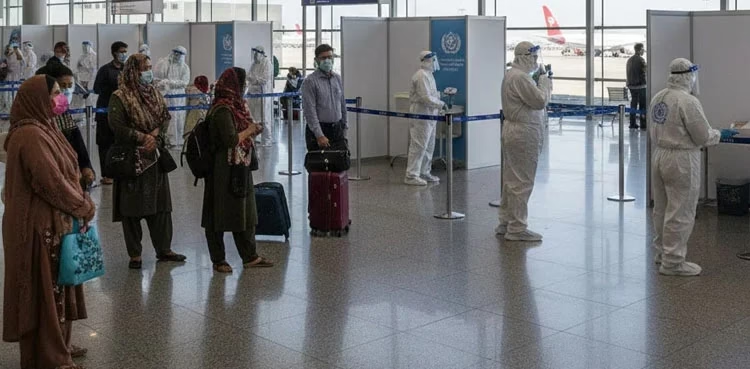
- Border Control and Screening: Airports, seaports, and land crossings have implemented enhanced screening measures. These include temperature checks, travel history assessments, and clinical evaluations of travelers arriving from areas affected by the outbreak.
- Public Awareness Campaigns: The Ministry of Health is urging the public to report any unusual symptoms and to maintain strict hygiene practices, including washing hands, avoiding contact with sick animals, and refraining from consuming unprocessed raw foods that could be contaminated.
Officials stress that these measures are preventive and precautionary, aimed at early detection rather than signaling imminent risk.
Regional Context
The recent outbreak in West Bengal, India has confirmed two cases of Nipah virus, causing concern across South Asia. Countries including Pakistan, Thailand, Singapore, Malaysia, Hong Kong, Indonesia, and Vietnam have implemented measures to prevent the spread of the virus through international travel.
The outbreak in India remains limited, with no evidence of widespread human-to-human transmission beyond close contacts. The virus’s transmission dynamics are still under study, but health authorities emphasize that the risk to the general public remains low if proper precautions are followed.
Airport and Travel Measures in Pakistan
To prevent the virus from entering the country, Pakistan has tightened health checks for travelers arriving from high-risk regions. Key measures include:
- Temperature Screening: All passengers are screened for fever, a primary symptom of Nipah virus.
- Travel History Evaluation: Officials review travel itineraries to identify individuals coming from outbreak regions.
- Health Questionnaires and Observation: Travelers are monitored for respiratory symptoms and any signs consistent with viral infection.
These measures aim to detect potential infections early and to reassure the public that the risk is being managed proactively.
Why Awareness and Precaution Are Crucial
While Pakistan has no confirmed cases, Nipah virus is highly dangerous. Public awareness is a critical component of the response. Authorities recommend:
- Avoiding Contact with Sick Animals: Fruit bats are natural carriers, and the virus can spread through contaminated animal secretions.
- Food Safety Measures: Avoid raw or unprocessed fruits and fruit juices that could be contaminated by bats.
- Early Reporting: Anyone exhibiting fever, cough, or neurological symptoms after traveling from high-risk areas should seek medical attention immediately.
- Hospital Preparedness: Healthcare facilities are encouraged to establish isolation wards and ensure that personal protective equipment (PPE) is available for staff.
Expert Opinions
Health experts note that the risk of widespread Nipah outbreak in Pakistan is low, given current surveillance systems and public health measures. However, they caution that vigilance is essential, particularly at border points and among healthcare providers.
Experts also emphasize that airport screening and travel checks, while not foolproof, are critical for early detection. These interventions, combined with rapid reporting and public awareness, can effectively prevent the spread of the virus within the country.
Global Perspective
The Nipah virus outbreak in India has drawn international attention. The World Health Organization (WHO) has stated that the global risk remains low, as the virus exhibits limited human-to-human transmission. However, the WHO encourages countries in the region to maintain active surveillance, rapid response capabilities, and community awareness programs to prevent outbreaks.
The virus’s high mortality rate makes containment critical, even if only a few cases emerge. Global health authorities continue to monitor the situation closely, emphasizing that precautionary measures are effective when implemented swiftly and consistently.
Impact on Public Health Policy
Pakistan’s proactive measures demonstrate a strong commitment to public health:
- Strengthened Surveillance: Hospitals and clinics are now more alert to unusual respiratory or neurological cases.
- Improved Border Health Protocols: Enhanced screening at ports and airports reduces the risk of cross-border spread.
- Education and Outreach: Public health messaging ensures citizens are informed about symptoms and preventive actions.
- Preparedness for Emergency Response: Health authorities are ready to isolate and treat suspected cases to prevent potential transmission.
Community Precautions
Citizens are encouraged to:
- Wash hands frequently with soap and water.
- Avoid close contact with individuals exhibiting symptoms of respiratory illness.
- Refrain from consuming raw fruits and juices that may be contaminated by bats.
- Seek medical care promptly if they experience fever, headache, respiratory distress, or neurological symptoms.
Looking Ahead
While Pakistan is currently free of Nipah cases, the situation underscores the importance of proactive measures. Border vigilance, hospital preparedness, and community awareness will continue to play a key role in preventing the introduction and spread of the virus.
Authorities remain confident in the country’s capacity to manage potential cases, emphasizing that early detection and preventive strategies are effective in containing outbreaks. The focus is on maintaining readiness while reassuring the public that the overall risk remains low.
FAQs: Nipah Virus in Pakistan
Q1: Has Pakistan reported any Nipah virus cases?
No, Pakistan has not confirmed any Nipah virus cases so far. Authorities are monitoring the situation closely and have implemented precautionary measures.
Q2: What precautions are in place in Pakistan?
Enhanced screenings at airports, seaports, and land borders have been implemented. Hospitals have been issued advisories, and public awareness campaigns are active to prevent virus spread.
Q3: What are the symptoms of Nipah virus?
Common symptoms include fever, headache, respiratory problems such as cough and shortness of breath, and in severe cases, neurological issues like encephalitis (brain inflammation).
Unlock Smarter Workflows with AI Tools for Designers
Take your design process to the next level with the right AI assistant. Whether it’s Claude Code for deep automation or Cursor for quick iterations, our guide helps you pick the best fit. Stay ahead in creative workflows and explore more insightful blogs at MasterInDesign today!
📩 Contact us now to start your professional video editing journey.
📞 Contact: +92 311 2579659
📧 Email: info@masterindesign.com