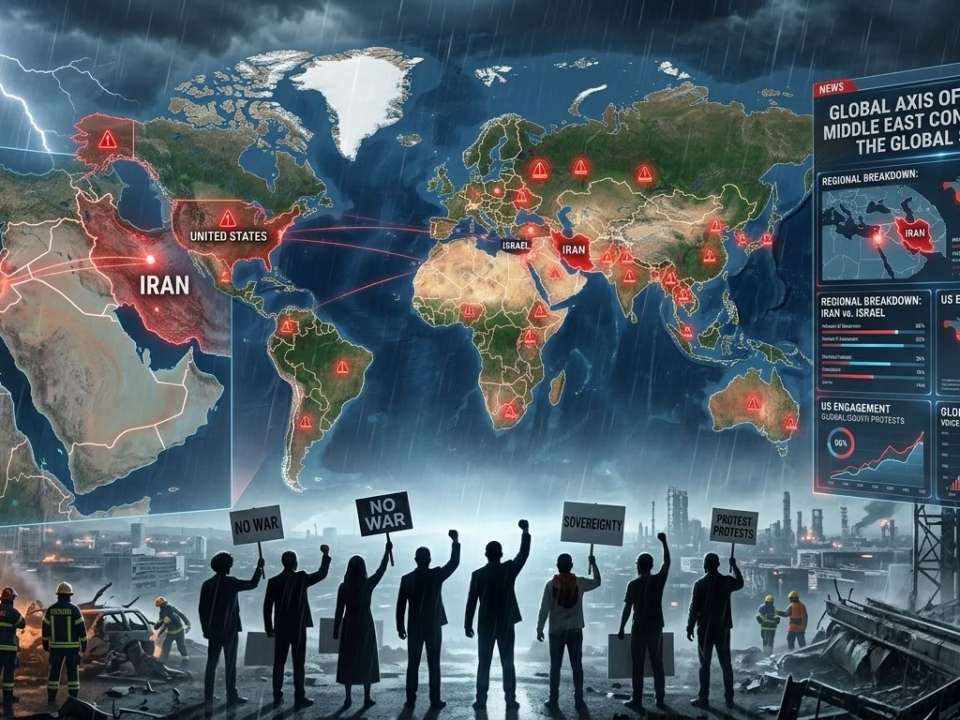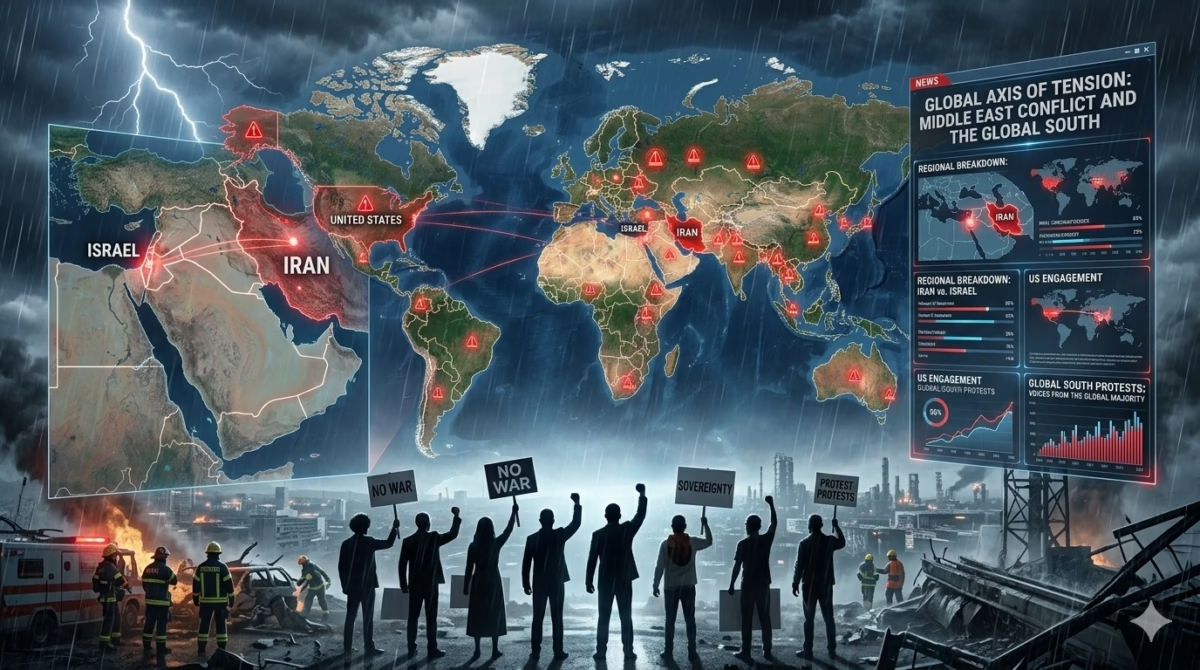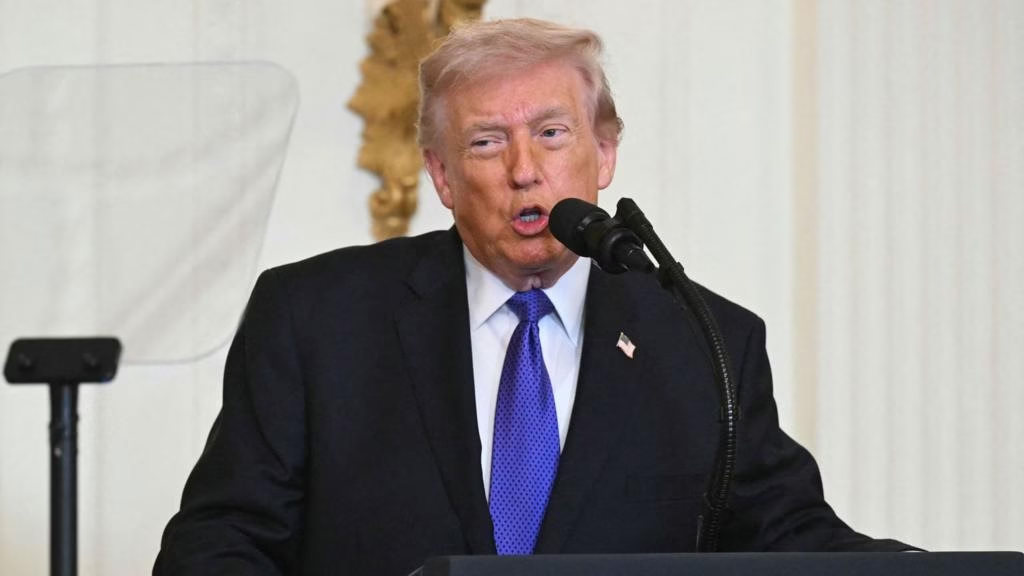

Global South Condemns US-Israeli War with Iran
March 3, 2026
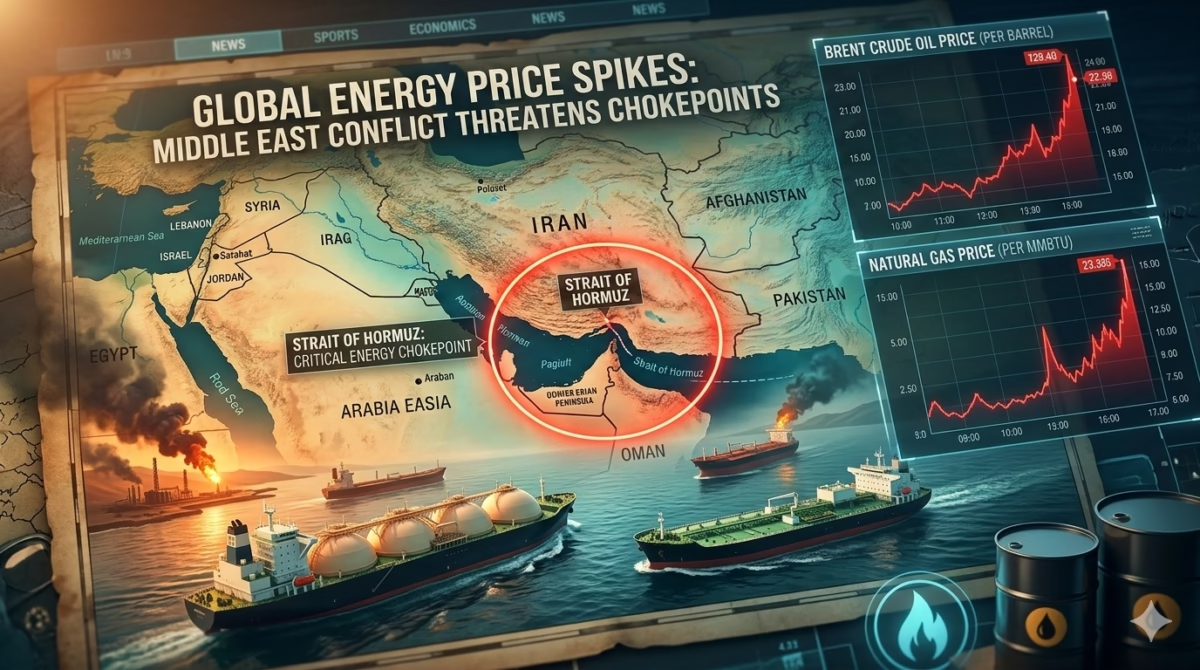
Middle East War Sends Natural Gas Prices Soaring, Raising Growth Shock Risk for Europe and Asia
The ongoing conflict in the Middle East has sent global natural gas prices skyrocketing, creating new economic risks for Europe, Asia, and other energy-dependent regions. The escalation, which involves military actions in key oil-producing areas, has intensified concerns over energy security, supply chain disruptions, and potential inflationary pressures worldwide.
Surge in Natural Gas and Oil Prices
Natural gas prices have jumped to levels not seen in years, fueled by disruptions in Middle East production and transport routes. Brent crude oil has also seen significant increases, reflecting fears of further supply constraints. Analysts note that even temporary interruptions to shipping through the Strait of Hormuz — a critical chokepoint for global energy supplies — can have outsized effects on international prices.
Europe, heavily reliant on imported natural gas, faces immediate challenges. Rising prices increase the cost of electricity generation, heating, and industrial production, potentially slowing economic growth. Similarly, Asian economies, including China, Japan, and South Korea, are exposed to higher energy costs that could strain manufacturing and consumer sectors.
Strait of Hormuz: The Critical Energy Artery
The Strait of Hormuz, a narrow waterway connecting the Persian Gulf to the Gulf of Oman, is central to global energy flows. Roughly 20% of the world’s traded oil passes through this corridor, making it one of the most strategically important shipping lanes worldwide.
With ongoing military tensions, the strait has faced temporary closures and restrictions, leading to fears of blocked traffic or delayed shipments. Traders are closely monitoring the strait’s status, as even minor interruptions can cause significant spikes in oil and natural gas prices. Key concerns include:
- Strait width and navigational constraints making it vulnerable to blockades
- Potential maritime conflicts affecting LNG tankers and oil supertankers
- Strategic importance as a chokepoint for global energy security
The combination of these factors has amplified market volatility and pushed energy prices higher in short order.
Global Economic Implications
Rising natural gas and oil prices have a direct impact on economic growth in energy-importing countries. Europe, in particular, faces inflationary pressures as higher energy costs ripple through manufacturing, transportation, and residential heating. Policymakers are weighing measures to stabilize markets and shield consumers from price shocks, including strategic reserves and temporary subsidies.
Asian economies, which rely heavily on imported energy for industrial production, may see slower growth if high prices persist. Analysts warn that prolonged price shocks could derail economic recovery efforts following global disruptions in recent years.
Oil Market Dynamics
The current surge in prices is also driven by speculative trading, as investors respond to geopolitical risk and potential supply bottlenecks. Brent crude oil has risen sharply, reflecting fears of prolonged disruption in exports from Middle Eastern producers.
LNG shipments from Qatar and other Gulf nations are particularly sensitive, as the region supplies significant portions of Asia’s natural gas imports. Any interruption or threat to LNG traffic exacerbates market concerns, pushing prices upward.
Energy Security and Policy Considerations
Governments in Europe and Asia are increasingly focused on energy security policies to mitigate the impact of volatile Middle East markets. Strategies include:
- Diversifying import sources and building alternative supply chains
- Investing in domestic energy production, including renewables
- Establishing strategic reserves to buffer short-term disruptions
- Monitoring chokepoints like the Strait of Hormuz to plan contingencies
Experts emphasize that the conflict underlines the vulnerability of global energy markets to regional instability, highlighting the need for long-term risk management and diversified energy strategies.
Conclusion
The Middle East war has triggered a sharp rise in natural gas and oil prices, raising the risk of growth shocks for Europe and Asia. As governments and markets respond, the situation underscores the global dependence on energy flows through key strategic chokepoints like the Strait of Hormuz.
The conflict serves as a stark reminder that geopolitical instability in energy-rich regions can have immediate and profound effects on global economies, making energy security a priority for policymakers worldwide.
Frequently Asked Questions (FAQ)
Q1: Why are natural gas prices rising?
Prices are soaring due to supply disruptions in the Middle East caused by ongoing military conflicts.
Q2: How does the Strait of Hormuz affect global energy prices?
About 20% of the world’s traded oil passes through the Strait of Hormuz. Any closures or disruptions can spike oil and gas prices.
Q3: Which regions are most affected by these price increases?
Europe and Asia are particularly vulnerable due to reliance on imported natural gas and oil.
Q4: How high is Brent crude currently trading?
Brent prices have surged sharply, reflecting fears of prolonged supply constraints in the Middle East.
Q5: What measures are countries taking to manage this crisis?
Governments are considering diversification of energy imports, increasing reserves, and investing in domestic and renewable energy sources.
Q6: Could this conflict escalate further?
Yes, continued tension in the Middle East could prolong supply disruptions and keep energy prices high
Elevate Your Brand with MasterInDesign 🚀
Don’t let your business get left behind in today’s fast-paced digital world. At MasterInDesign, we specialize in helping brands stand out, engage audiences, and grow online.
Take the next step toward digital excellence. Contact us today and transform your brand into a powerful online