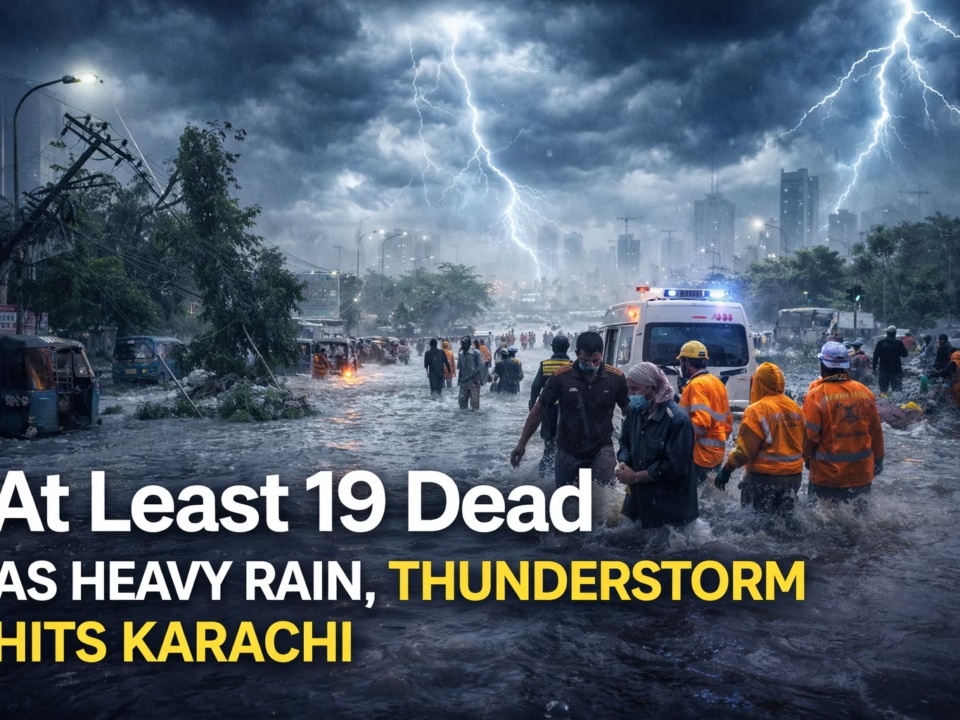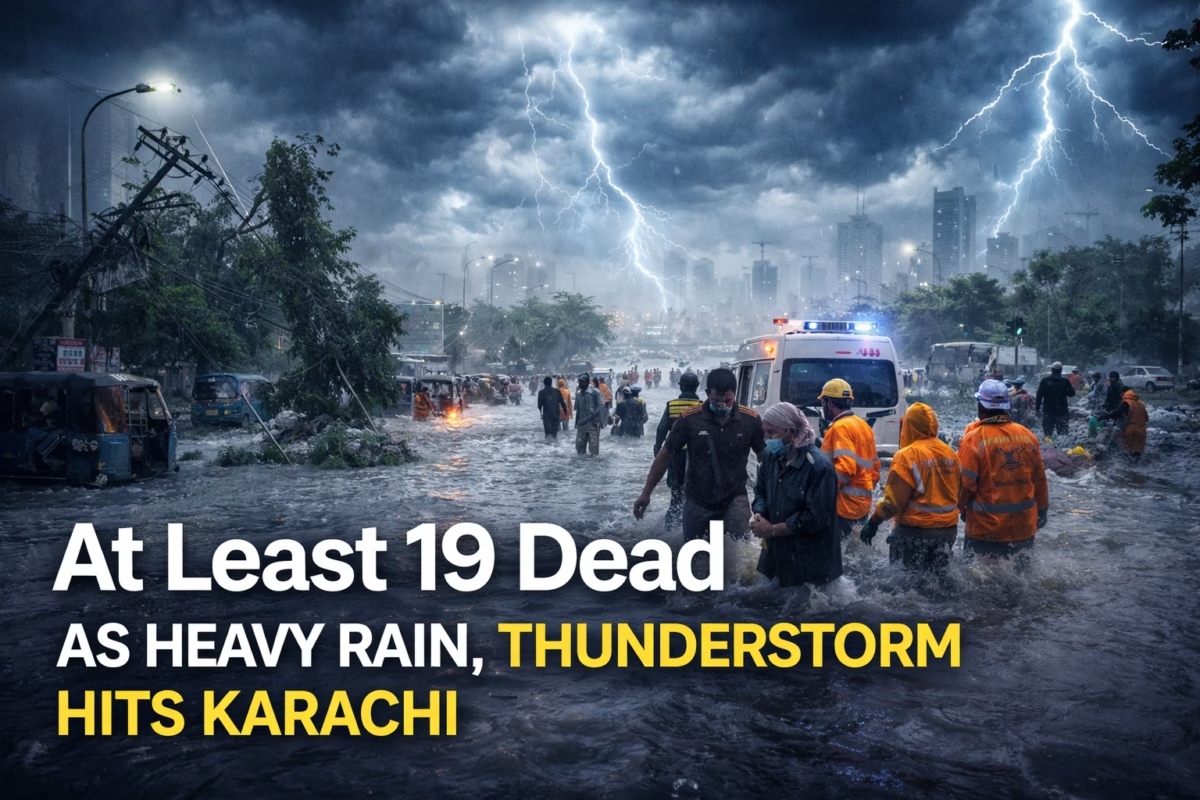

At Least 19 Dead as Heavy Thunderstorm Hits Karachi – Pakistan Weather Update
March 19, 2026
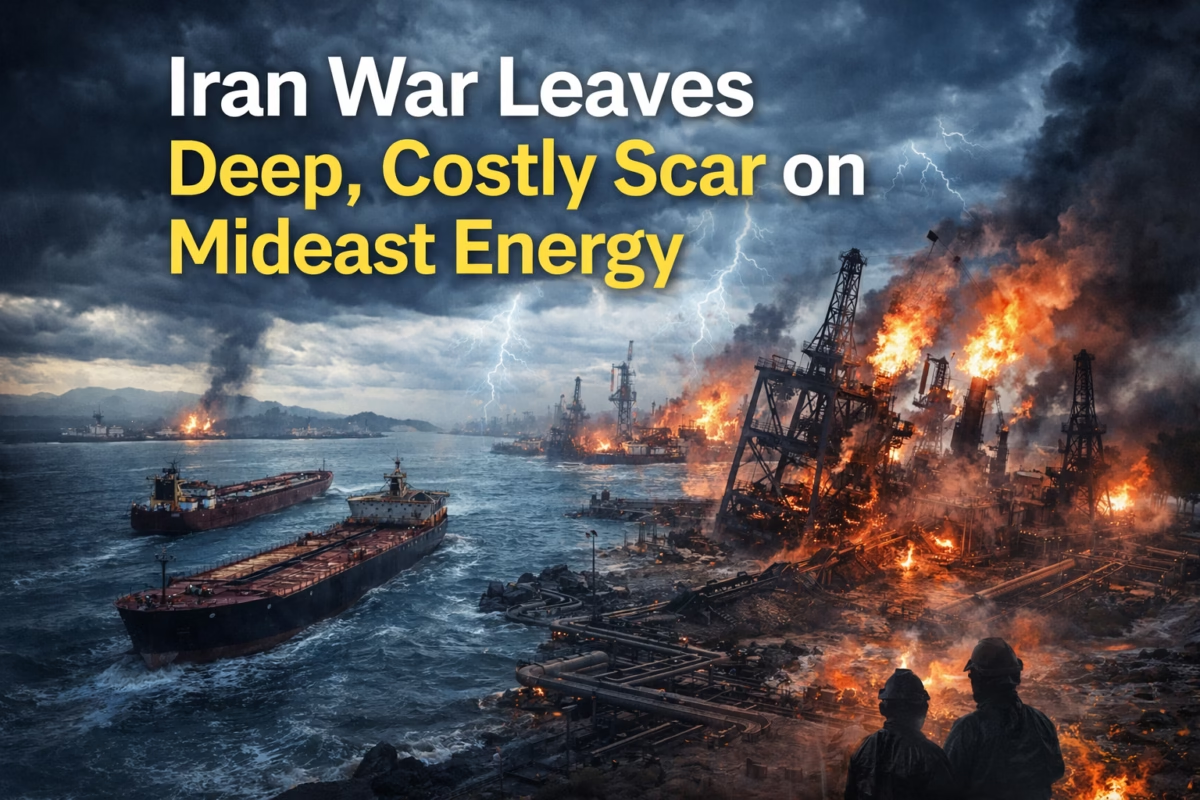
Iran War Leaves Deep, Costly Scar on Mideast Energy
The ongoing Iran war has inflicted a serious blow on energy markets in the Middle East, leaving a deep, costly scar on Mideast energy production and supply. As conflict continues, critical oil and gas infrastructure has been disrupted, shipping routes have been threatened, and global energy prices have surged — affecting economies and households around the world.
Major Disruption to Energy Supplies
One of the most serious challenges has been the disruption around the Strait of Hormuz — a narrow but strategically vital waterway through which a large portion of the world’s oil and liquefied natural gas normally passes. With attacks, threats, and heightened military activity in the region, tanker traffic has slowed, and many exporters have been forced to reroute or suspend deliveries.
Alongside this, attacks on production facilities and export terminals have caused direct damage to key infrastructure. This has led to cuts in output from some fields and forced energy companies to delay or reroute shipments — reducing the overall flow of oil and gas into global markets.
Prices Surge and Market Volatility
As supplies become tighter, world oil prices have climbed sharply. Crude oil benchmarks are trading well above typical ranges seen before the conflict, reflecting both real supply losses and a risk premium tied to ongoing instability.
The higher cost of energy is not limited to oil alone. Natural gas and liquefied natural gas (LNG) markets are also under strain, especially in regions that heavily depend on imports. As prices rise, the increased cost of fuel flows through to transportation, manufacturing, and consumer products — adding pressure to inflation in many countries.
Strategic Shifts in Energy Routes
Because of the disruption, producers and importers are already rethinking how energy is shipped and sourced:
- Some oil‑producing nations are accelerating efforts to build pipelines and export routes that bypass the Strait of Hormuz.
- Importers are looking to diversify their sources of oil and gas to reduce dependence on a single region.
- Governments and companies are reassessing how resilient their energy infrastructure is against geopolitical shocks.
These changes could have lasting effects on regional trade patterns and energy investments even after the conflict ends.
Long‑Term Consequences for the Region
The conflict has caused direct infrastructure damage that may take years to repair. Oil fields, processing facilities, and export terminals have been hit, leading to production downtime and increased maintenance costs. For nations whose budgets depend heavily on oil and gas exports, long‑term reductions in output can strain government spending and economic growth.
Such disruptions also contribute to uncertainty in financial markets. Investors tend to react strongly to geopolitical risk, especially when it affects essential commodities like energy. This can amplify price swings and market instability.
Wider Economic Effects
The knock‑on effects extend beyond the energy sector. Higher fuel and gas costs increase transportation and industrial costs, which in turn can drive up inflation for goods and services. For consumers, this often means higher prices at the pump and increased costs for everyday items.
Central banks in many countries may face renewed pressure to tighten monetary policy if inflation stays elevated due to sustained high energy costs.
Global Response and Market Reactions
Countries around the world are responding to the crisis in different ways:
- Some are increasing strategic reserves to cushion the impact of higher prices.
- Others are accelerating plans to secure alternative energy sources to reduce long‑term reliance on Middle Eastern oil.
- Financial markets are watching for continued volatility in oil futures and commodities trading.
Overall, the situation highlights how deeply interconnected global energy systems are — and how quickly geopolitical conflict can ripple through economies globally.
FAQs
1. Why has the Iran war affected energy prices so much?
Because the Middle East is a key producer and exporter of oil and gas, and the conflict has disrupted supply routes and damaged infrastructure.
2. What is the Strait of Hormuz, and why is it important?
The Strait of Hormuz is a critical shipping lane for crude oil and LNG. Disruptions there reduce the volume of energy reaching global markets.
3. How high have oil prices risen due to the conflict?
Oil prices have climbed significantly as markets react to reduced supply and increased geopolitical risk.
4. Are gas markets affected too?
Yes — natural gas and LNG prices have also surged as exports and production are impacted.
5. Could these impacts last long after the conflict ends?
Yes — many producers and importers may change supply routes and strategies, leading to longer‑term shifts in energy markets.
Elevate Your Visual Strategy with MasterInDesign
As devices advance and consumer expectations evolve, your brand visuals must keep pace. At MasterInDesign, we specialize in bridging design, tech and brand ambition. Ready to future-proof your visuals?