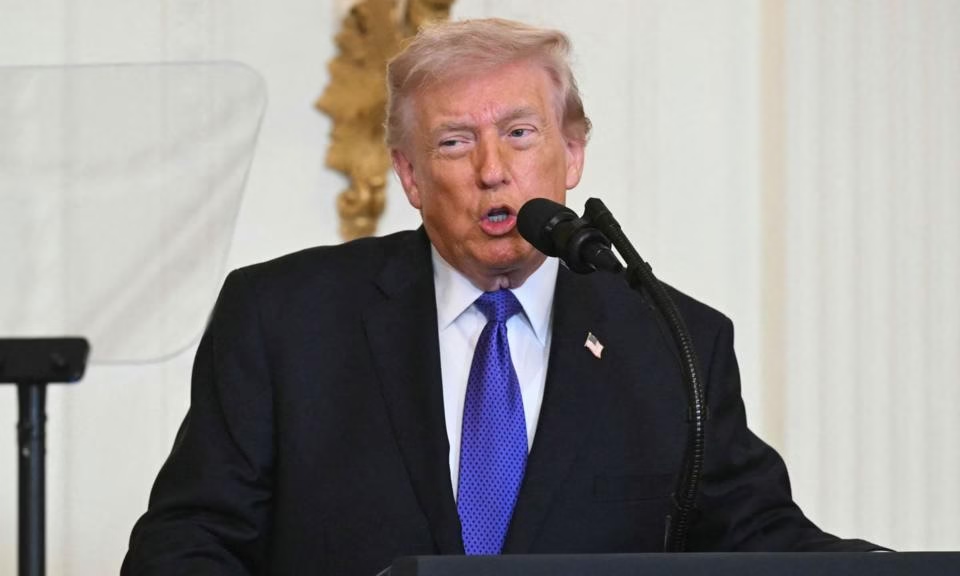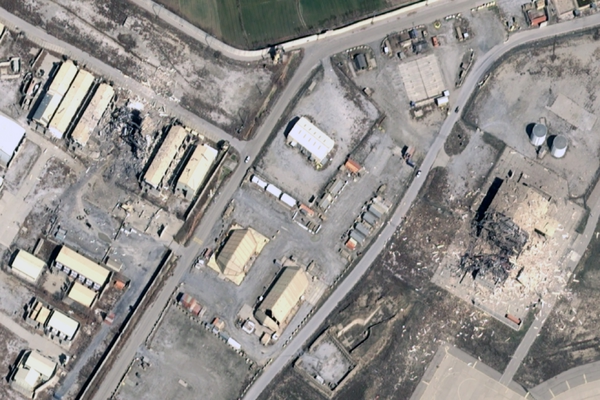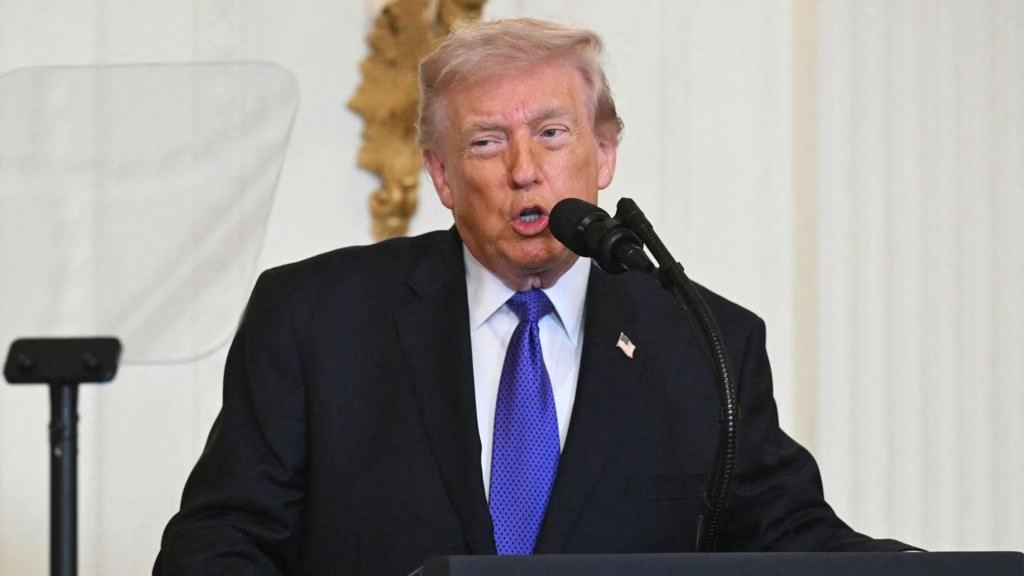
Trump Says US Took ‘Last Best Chance’ to Hit Iran, Lebanon Strikes
March 2, 2026
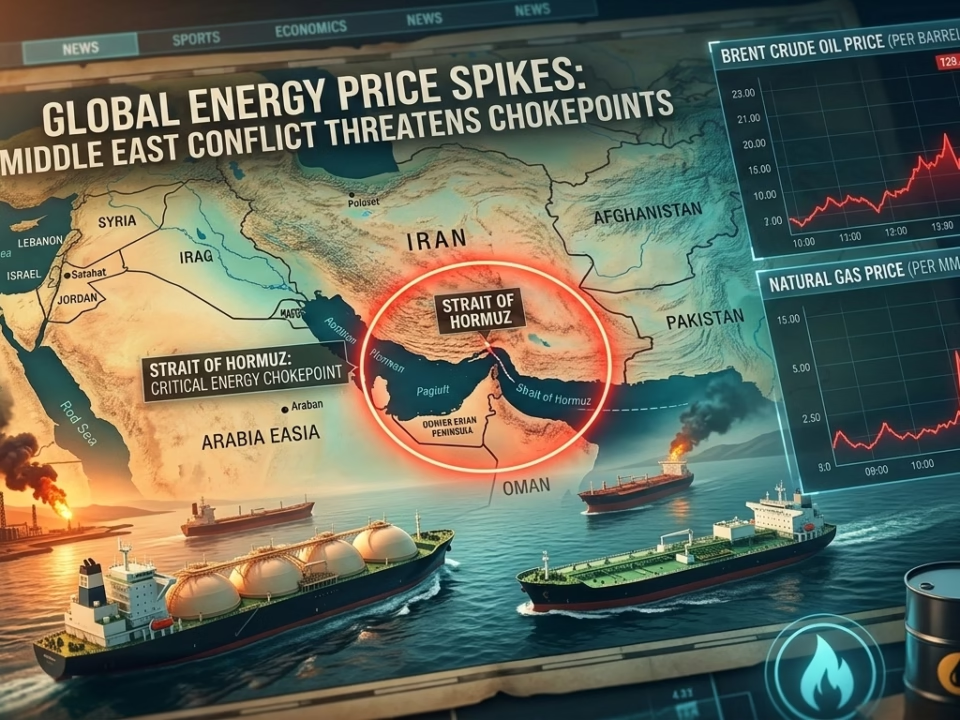
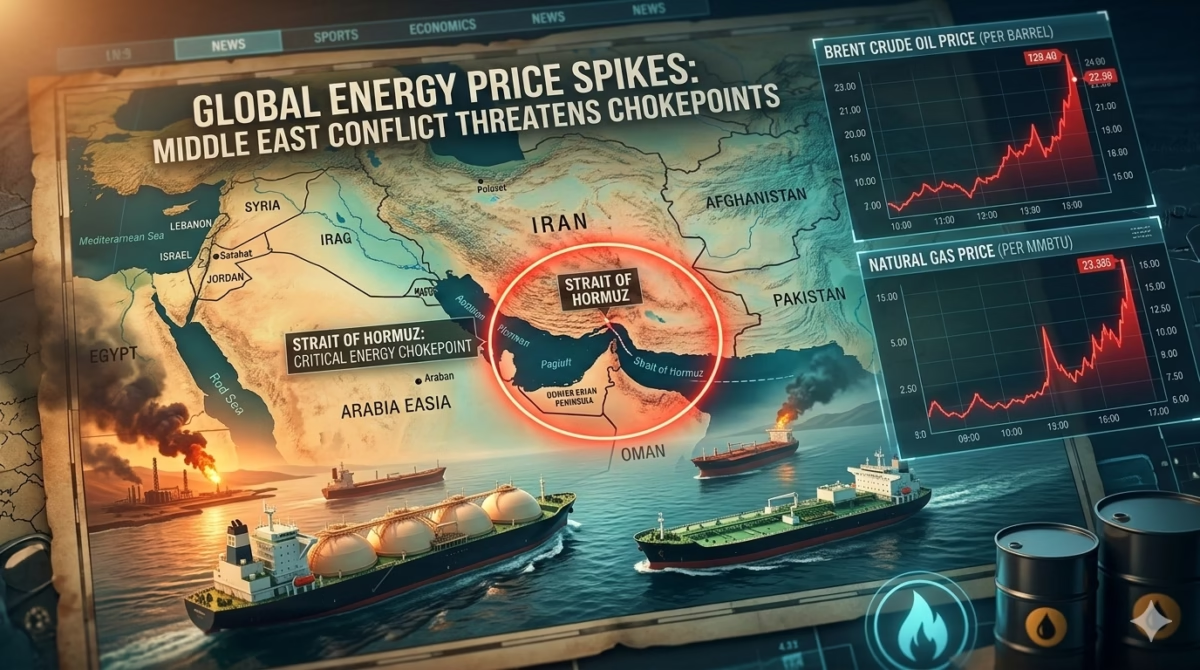
Middle East War Sparks Natural Gas Price Surge
March 3, 2026
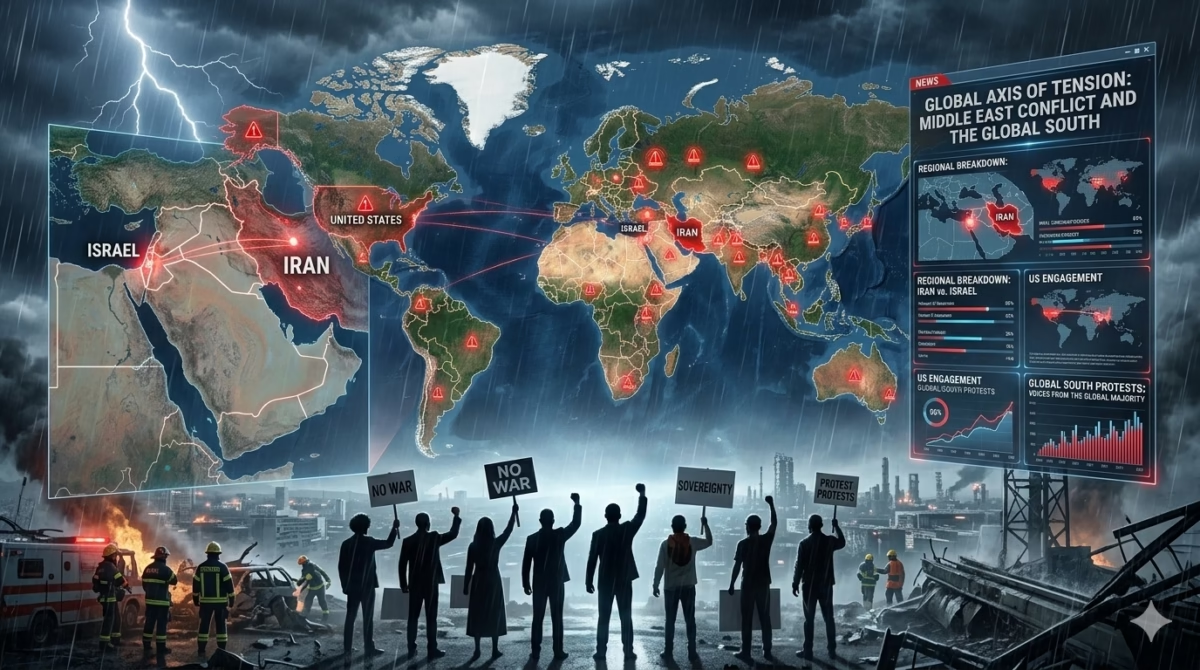
‘Imperialist Undertones’: Global South Condemns US-Israeli War with Iran
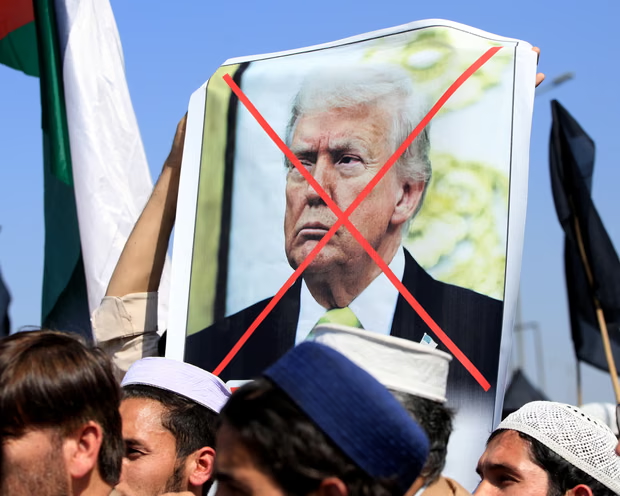
Tensions in the Middle East have escalated dramatically as the US and Israel engage in military actions against Iran, prompting widespread condemnation from nations in the Global South. Leaders and officials from Africa, Asia, and Latin America have criticized the war, calling it an imperialist intervention that threatens regional stability and international peace.
Global South Voices Opposition
Countries across Africa, Latin America, and parts of Asia have publicly denounced the US-Israeli military campaign. Governments in nations such as India, South Africa, Brazil, and Indonesia have voiced concern about the disproportionate use of force and the potential for civilian casualties. Statements from these countries suggest that the conflict is seen not merely as a regional dispute but as an extension of global power politics, with the US and Israel acting as dominant actors imposing military solutions.
The criticism focuses on what many leaders describe as the imperialist undertones of the intervention. Officials argue that the war risks destabilizing the region, disrupting trade, and fueling anti-Western sentiment. By framing the conflict in terms of global hegemony rather than direct defense, the Global South is positioning itself as a voice advocating for diplomatic solutions over military action.
Humanitarian and Economic Concerns
Global South nations have also highlighted the humanitarian consequences of the war. Reports indicate that civilians in Iran are facing displacement, food shortages, and infrastructure damage. International organizations warn that the conflict could trigger a humanitarian crisis with long-term consequences for education, health, and economic development.
Economically, countries dependent on Middle Eastern oil are concerned about potential disruptions in energy markets. Rising fuel prices could disproportionately affect developing nations, worsening inflation and economic instability. Analysts note that global South economies are particularly vulnerable to spikes in oil prices caused by the conflict, as well as disruptions to trade routes in the region.
Reasons Behind the Conflict
The current escalation between Israel and Iran is rooted in a combination of geopolitical tensions, security concerns, and strategic interests. Israel has accused Iran of developing advanced missile capabilities and supporting proxy groups in neighboring countries, while the US cites concerns over nuclear proliferation and regional influence.
While the exact reasons for each strike are often opaque, analysts agree that the conflict reflects longstanding mistrust and a complex mix of political, military, and ideological factors. Observers stress that this is not merely a bilateral conflict but one with broader implications for global security and international alliances.
Questions Raised by the Conflict
The war has raised several pressing questions among the international community:
- Is the US officially at war with Iran?
While the US has conducted strikes in coordination with Israel, officials stress that a formal declaration of war has not been made. The situation remains fluid and politically sensitive. - Who is winning the conflict so far?
Analysts note that neither side has achieved a decisive military advantage. The conflict remains dynamic, with ongoing attacks, counterattacks, and strategic maneuvering. - What is the impact on the region?
The conflict has intensified insecurity in the Middle East, leading to fears of a broader regional war. Neighboring countries are bracing for potential spillover effects.
Calls for Diplomacy and International Intervention
Global South leaders are advocating for immediate diplomatic engagement to de-escalate tensions. Proposed solutions include mediation by neutral countries, emergency sessions at international organizations, and multilateral negotiations aimed at addressing security concerns without further bloodshed.
Some experts suggest that the Global South’s position could influence international response, pressuring the US and Israel to consider negotiation over prolonged conflict. The emphasis is on multilateral diplomacy, conflict resolution frameworks, and respecting international law.
Broader Implications
The condemnation from the Global South reflects a shift in global sentiment toward greater scrutiny of Western military interventions. Countries in the developing world are increasingly vocal about their opposition to wars perceived as serving geopolitical ambitions rather than humanitarian or defensive purposes.
This position also underscores the growing influence of the Global South in shaping international discourse. By highlighting imperialist undertones, these nations are asserting their role in diplomacy, global governance, and conflict prevention, signaling that unilateral actions by powerful states may face increasing criticism and resistance.
Conclusion
The ongoing US-Israeli conflict with Iran has sparked widespread condemnation across the Global South, highlighting concerns over imperialist motives, civilian harm, and regional instability. As the war continues, international pressure for diplomatic solutions and multilateral engagement is expected to grow.
For nations in the Global South, the conflict serves as a reminder of the delicate balance between global power dynamics and the urgent need to protect peace, stability, and economic security for vulnerable populations.
Frequently Asked Questions (FAQ)
Q1: What does the Global South mean in this context?
The Global South refers to developing countries, mainly in Africa, Latin America, and parts of Asia, often advocating for non-intervention and sovereignty.
Q2: Why are these countries condemning the US-Israeli war with Iran?
They view the war as having imperialist undertones, disproportionately affecting civilians, and destabilizing the region.
Q3: Is the US at war with Iran?
The US has conducted military operations alongside Israel, but there has been no formal declaration of war.
Q4: What are the humanitarian concerns?
Civilians face displacement, infrastructure damage, shortages of food and medicine, and other hardships.
Q5: Could this conflict escalate further?
Yes. Analysts warn of potential regional spillover, threatening security in neighboring countries.
Q6: What solutions are being proposed?
Leaders from the Global South advocate for diplomacy, neutral mediation, and multilateral negotiations to prevent further escalation.
Elevate Your Brand with MasterInDesign 🚀
Don’t let your business get left behind in today’s fast-paced digital world. At MasterInDesign, we specialize in helping brands stand out, engage audiences, and grow online.
Take the next step toward digital excellence. Contact us today and transform your brand into a powerful online