

Peugeot Strengthens Local Footprint as Pakistan Auto Market Evolves
January 19, 2026
Facebook-Like Cover Photos Are Coming to WhatsApp
January 20, 2026

‘An Evolving Era of Play’: UK Toy Sales Rise for First Time Since Pandemic
The UK toy industry has entered a long-awaited recovery phase as toy sales rose for the first time since the pandemic. After several challenging years marked by inflation, shifting consumer habits, and economic uncertainty, 2025 delivered a positive turning point for retailers and manufacturers alike. Industry experts are calling this moment an evolving era of play, reflecting how toys have adapted to modern lifestyles, technology, and changing age demographics.
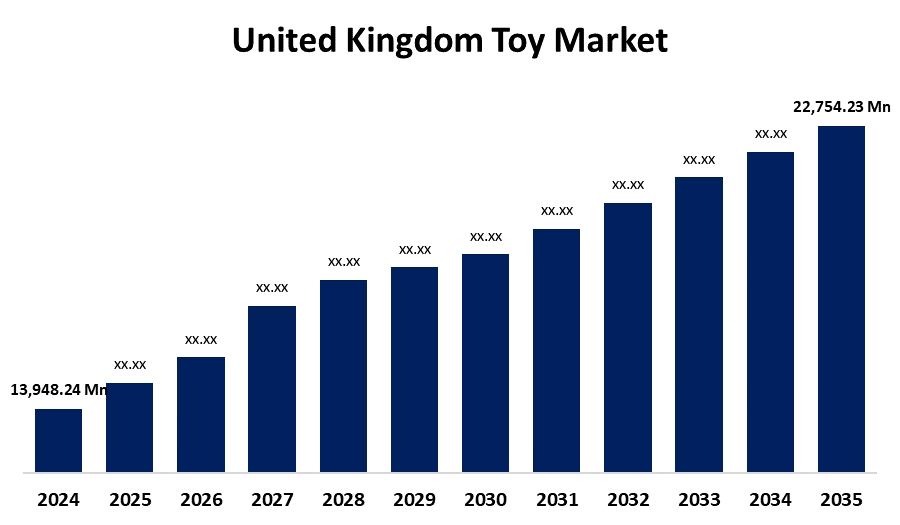
Total toy sales in the UK increased by nearly 6% during 2025, pushing the market value close to £4 billion. This growth ended a prolonged slowdown and signaled renewed consumer confidence, especially during key seasonal shopping periods.
A Market Finally Rebounding
For years, the UK toy sector struggled to maintain momentum after the pandemic-driven boom faded. Rising living costs forced households to reduce discretionary spending, and toy purchases were among the hardest hit. The rebound in 2025 suggests that buyers are once again prioritizing play, creativity, and entertainment within their household budgets.
Retailers reported stronger demand across both physical and online stores, with fewer heavy discounts required to drive sales. This indicates a healthier market where demand is driven by interest rather than price cuts.
Kidults Driving the Comeback
One of the strongest forces behind the recovery is the rise of “kidults” — teenagers and adults who purchase toys for themselves. This demographic now accounts for a significant share of total toy spending. Products once considered niche are now mainstream, including collectible figures, advanced building sets, and franchise-based merchandise.
Kidults are drawn to toys for nostalgia, stress relief, creativity, and fandom engagement. Their buying power has helped offset lower birth rates and declining toy purchases among younger age groups.
Licensed Toys and Franchises Lead Growth
Licensed toys tied to movies, streaming series, and video games were among the top-performing categories. Popular entertainment franchises continued to influence purchasing decisions, with consumers eager to own physical products connected to their favorite digital worlds.
Building sets also performed exceptionally well, appealing to both children and adults. These toys offer long-term engagement, problem-solving benefits, and a screen-free alternative that resonates strongly with parents.
Educational and Interactive Toys Gain Momentum
Another major contributor to sales growth was the rising interest in educational and interactive toys. Parents increasingly favor products that support learning, creativity, and emotional development. Audio-based toys, storytelling devices, and interactive play systems gained traction as families sought balanced alternatives to excessive screen time.
This trend highlights how modern toys are designed not just for entertainment but for developmental value as well.
The Evolution of Toys Over Time
The current recovery reflects the broader evolution of toys throughout history. From simple handcrafted objects in early civilizations to today’s technology-inspired products, toys have always mirrored society’s values and innovations.
In recent years, toys have transformed into lifestyle products influenced by pop culture, gaming, and digital media. This evolution has expanded the toy market beyond children, turning play into a shared, cross-generational experience.
Pricing Trends and Consumer Spending
Average toy prices increased slightly in 2025, suggesting consumers are willing to pay more for quality, durability, and brand recognition. Mid-range toys priced between £30 and £50 saw the strongest growth, while low-cost impulse toys showed slower performance.
Rather than buying more toys, consumers are choosing fewer but higher-value products that offer long-term use or collectible appeal.
Cultural Shifts Reshaping Play
The resurgence in toy sales reflects deeper cultural changes. Play is no longer limited to childhood; it is now embraced as a form of relaxation, creativity, and self-expression across all ages. Social media, online communities, and fandom culture have further amplified this shift.
Toys today often function as cultural symbols, collectibles, and creative tools rather than simple playthings.
What Lies Ahead for the UK Toy Industry
Industry analysts expect steady growth to continue if economic conditions remain stable. Innovation, franchise partnerships, and inclusive product design will be key to sustaining momentum. Brands that successfully appeal to both children and adults are likely to dominate future market growth.
The UK toy market’s recovery demonstrates resilience and adaptability in an industry that continues to reinvent itself.
Conclusion
The rise in UK toy sales marks more than just a financial recovery — it signals a cultural transformation in how play is valued. An evolving era of play has emerged, driven by creativity, nostalgia, and multi-generational engagement. After years of uncertainty, the toy industry is once again proving its relevance in modern society.
FAQ
Q1: Why did UK toy sales rise in 2025?
Toy sales increased due to stronger demand from adults, licensed products, building sets, and educational toys.
Q2: What does “an evolving era of play” mean?
It refers to the shift toward toys being enjoyed by all age groups, influenced by culture, media, and lifestyle trends.
Q3: Are adults really buying more toys now?
Yes, adult consumers play a major role in the market, purchasing toys for nostalgia, hobbies, and collectibles.
Elevate Your Brand with MasterInDesign 🚀
Don’t let your business get left behind in today’s fast-paced digital world. At MasterInDesign, we specialize in helping brands stand out, engage audiences, and grow online.
Take the next step toward digital excellence. Contact us today and transform your brand into a powerful online