

Pakistan Gov & Google Partner for Youth AI Skill Development
April 16, 2026
Iron Ore Price Trends April 2026: Supply Worries vs. Steel Curbs
April 17, 2026
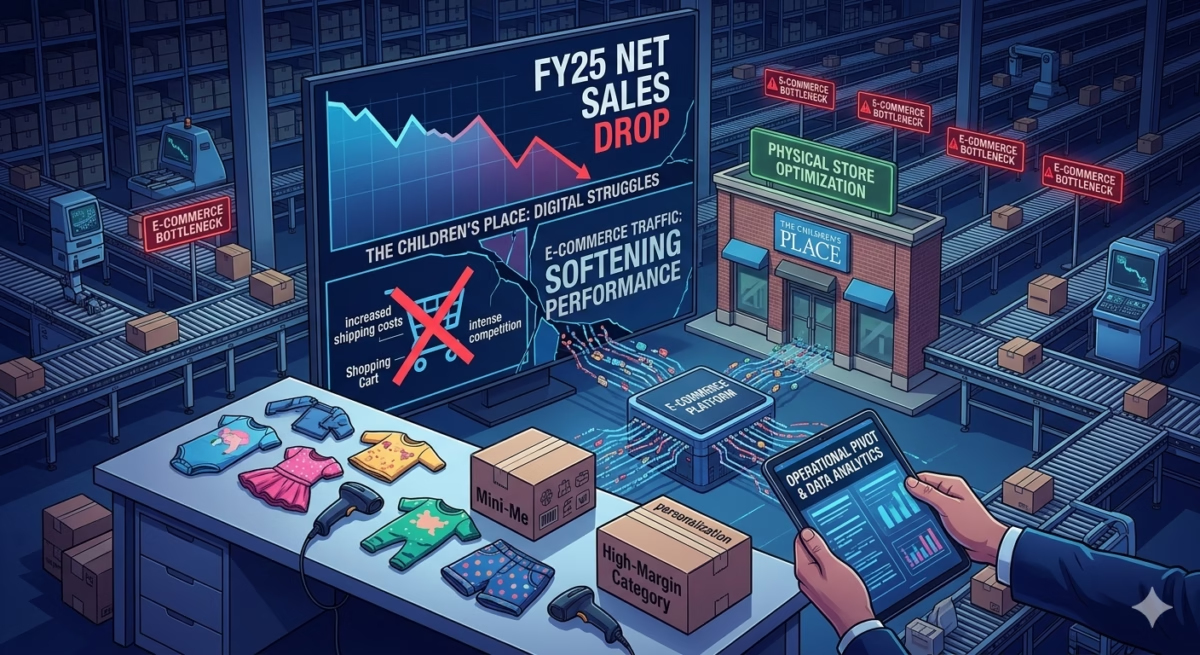
The Children’s Place FY25: Sales Decline as E-Commerce Struggles Persist
The North American retail landscape continues to face significant headwinds, and the latest fiscal reports from The Children’s Place underscore the challenges hitting the specialty apparel sector. In its fiscal year 2025 (FY25) report, the leading children’s apparel retailer revealed a noticeable drop in sales, largely attributed to a softening e-commerce performance and shifting consumer habits.
As the company navigates a complex “post-pandemic” retail environment, the decline highlights a broader trend in the industry: having an online presence is no longer enough; maintaining high-conversion e-commerce momentum is the real battle.
Analyzing the FY25 Revenue Dip
The Children’s Place reported a decrease in net sales for FY25, a trend that began to emerge in the latter half of the previous year. While the brand remains a powerhouse in the toddler and youth fashion market, several factors have converged to impact its top-line growth.
1. The E-Commerce Bottleneck
For years, The Children’s Place was lauded for its aggressive “digital-first” transformation. However, in FY25, the brand faced “e-commerce woes” characterized by increased shipping costs and intense competition from global fast-fashion giants. The rise of ultra-low-cost competitors has pressured the brand’s digital margins, making it more expensive to acquire customers and fulfill orders.
2. Physical Store Optimization
As part of its long-term strategy, the company has continued to close underperforming brick-and-mortar locations. While this reduces overhead in the long run, the immediate result is a reduction in total sales volume as the digital channel struggles to absorb 100% of the diverted physical traffic.
3. Macroeconomic Pressures
High inflation and fluctuating household budgets have led many American families to become more selective with discretionary spending. Children’s apparel, while essential, often sees a shift toward value-based retailers or second-hand markets during economic downturns, impacting specialty retailers like The Children’s Place.
Operational Shifts and Strategic Recovery
Despite the decline in sales, the leadership at The Children’s Place is not standing still. The company is actively pivoting its operational model to stabilize its financial position.
Inventory Management
One of the silver linings in the FY25 report was the brand’s disciplined approach to inventory. By tightly controlling stock levels, the retailer managed to avoid the massive “clearance-level” discounting that often plagues the industry, helping to protect gross margins even as volume dipped.
Focus on High-Margin Categories
The brand is doubling down on its “Mini-Me” fashion lines and licensed collaborations, which typically command higher price points and stronger customer loyalty. By focusing on these high-demand niches, the company aims to offset the volume loss in basic apparel.
The Path Forward for FY26
For investors and industry analysts, the focus now shifts to how The Children’s Place will revitalize its digital storefront. The “Long Island AI” and automation trends seen in other parts of the fashion world (such as Allbirds or Nike) are expected to play a role here as well—specifically in using data to personalize the shopping experience and reduce the high rate of online returns.
The goal for the coming year is to transform the e-commerce platform from a simple storefront into a high-efficiency engine that can compete with the logistics of giants like Amazon while maintaining the unique brand identity that parents have trusted for decades.
Frequently Asked Questions (FAQs)
1. Why did The Children’s Place sales fall in FY25?
The decline was primarily driven by a slowdown in e-commerce performance, increased operational costs, and a general decrease in consumer discretionary spending due to inflation.
2. Is The Children’s Place closing all its physical stores?
No. While the company is closing underperforming locations as part of a strategic “store optimization” plan, it maintains a significant physical footprint in key markets to support its omni-channel strategy (Buy Online, Pick Up In-Store).
3. How is the company addressing its “e-commerce woes”?
The company is focusing on improving its digital margins by optimizing shipping logistics, reducing inventory bloat, and utilizing data analytics to better target high-value customers.
4. Is the brand still popular among American parents?
Yes, The Children’s Place remains a market leader in the USA for children’s apparel, particularly known for its value-oriented pricing and wide variety of styles for toddlers and school-aged children.
5. What is the outlook for FY26?
Analysts expect a period of stabilization. The company’s ability to successfully integrate its digital and physical operations while managing rising supply chain costs will be the deciding factor for its recovery.
Design the Future, Don’t Wait for It.
At MasterInDesign, we help creative professionals embrace AI as a catalyst for design evolution.
Explore insights, trends, and creative technology guides now at MasterInDesign.com