
WhatsApp Plus Plan Tipped: Premium Themes, Icons, Pin 20 Chats and More
March 6, 2026
WhatsApp Embraces Rounded Chat Bubbles as Premium Plan Waitlist Opens
March 9, 2026
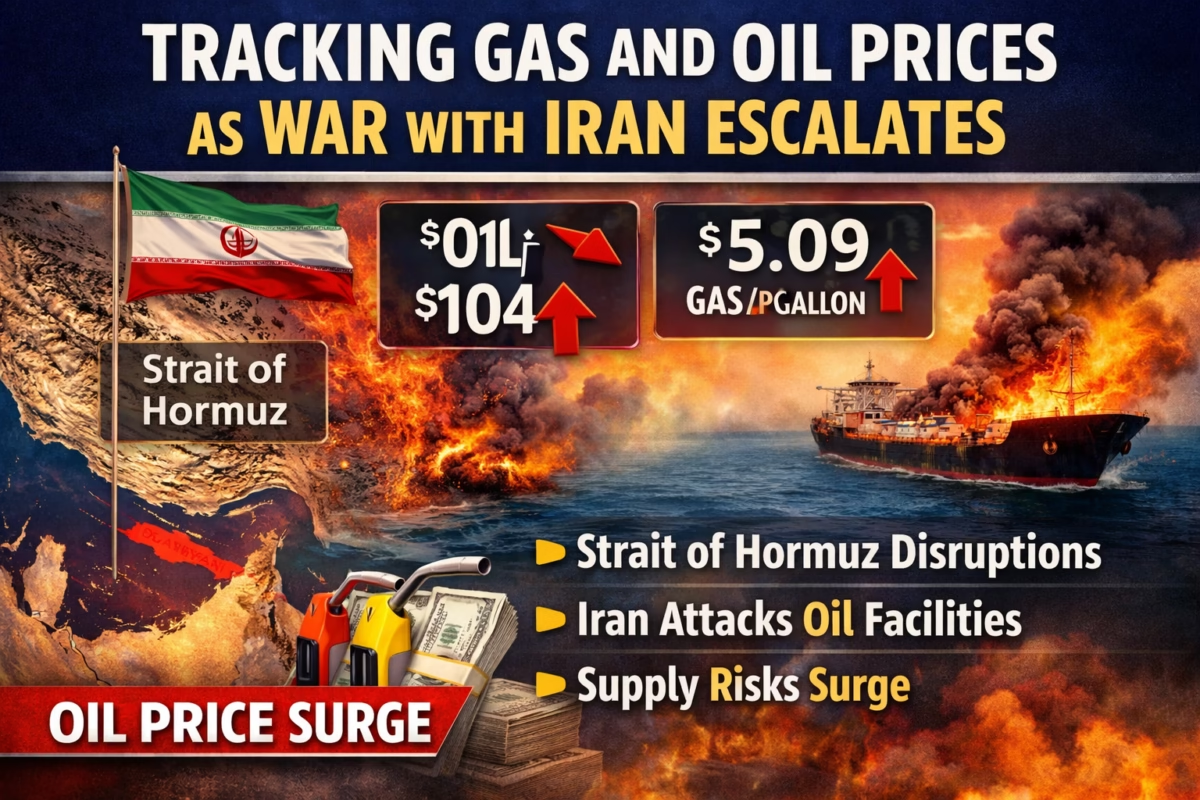
Tracking Gas and Oil Prices as War with Iran Escalates
Global energy markets are on high alert as tensions in the Middle East escalate, particularly involving Iran. The recent military confrontations and attacks on key oil facilities have sparked concerns over oil supply disruptions, sending crude and gasoline prices sharply higher across the globe.
Current Market Movements
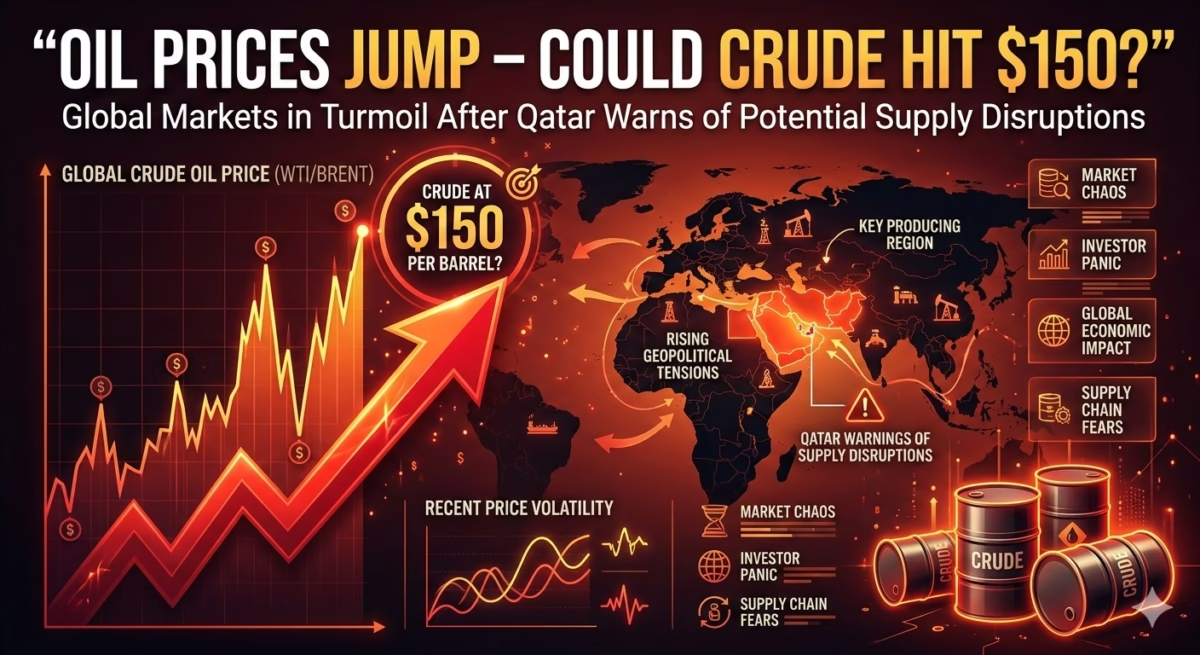
Crude oil prices have surged above $100 per barrel, marking the highest levels in several years. This surge is largely driven by fears of reduced oil flows from the Middle East, particularly through the Strait of Hormuz, one of the world’s most critical oil shipping lanes. Analysts note that any closure or disruption in this narrow waterway, which handles nearly a fifth of the world’s oil exports, could create a significant supply shock.
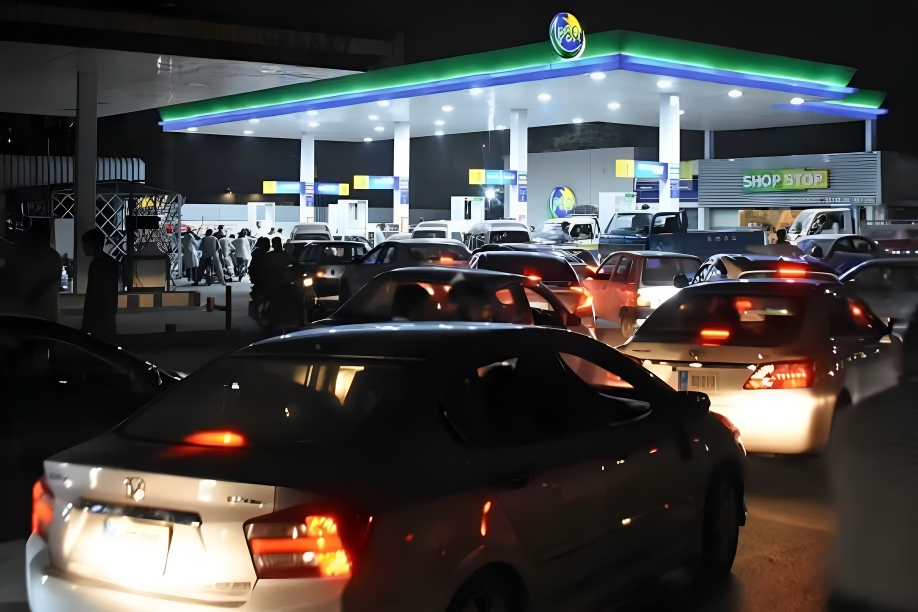
In the United States, gasoline prices are climbing rapidly. Some states are already reporting pump prices above $5 per gallon, causing concern among consumers and businesses alike. The price increases are being felt nationwide, reflecting not just crude oil costs but also potential refiners’ and distributors’ response to supply uncertainties.
Causes Behind the Price Surge
Several factors are contributing to the rising oil and gas prices:
- Geopolitical Tensions: Iran’s recent attacks on oil tankers and refineries have intensified fears of a broader conflict. This uncertainty prompts traders to factor in risk premiums, pushing prices higher.
- Strait of Hormuz Risks: Any threat to the strait, whether a temporary closure or military activity, disrupts the flow of oil and LNG exports. The global market is extremely sensitive to disruptions in this key chokepoint.
- Supply Chain Disruptions: Even minor attacks on oil facilities or shipping vessels can significantly impact the global supply, forcing countries to seek alternative sources or pay higher premiums.
- Market Volatility: Investors and traders react swiftly to news from the region, resulting in sudden spikes in futures contracts and increased costs for refined petroleum products.
Historical Context
Before the current tensions, oil prices had already been fluctuating due to global economic factors, post-pandemic recovery, and regional production challenges. However, the recent military escalations have added a significant geopolitical layer, amplifying price movements beyond what market fundamentals alone would suggest.
Gasoline and crude oil prices tend to respond quickly to news of conflict in the Middle East because the region supplies a substantial portion of global energy needs. Any disruption, real or perceived, immediately impacts consumer prices, industrial costs, and even broader inflation trends.
Impacts on Consumers and the Economy
Rising energy prices have widespread consequences:
- Household Budgets: Higher gasoline prices directly affect commuters, delivery services, and transportation costs for families and individuals.
- Inflationary Pressure: Increased fuel costs ripple through the economy, raising prices for goods and services, as transportation and production costs increase.
- Industrial Costs: Industries reliant on fuel and petrochemicals face higher operating costs, which can lead to reduced profit margins or higher product prices.
- Global Economic Implications: Continued volatility in oil markets can affect trade balances, monetary policies, and economic growth projections worldwide.
Monitoring the Situation
Analysts and energy experts recommend closely watching the following:
- Developments in the Strait of Hormuz, including any potential closure or military activity.
- Reports of attacks on oil tankers, refineries, or production facilities in the region.
- Updates from major oil-producing countries on production levels and export capacity.
- Global financial markets’ response to escalating tensions, which often reflects anticipated energy costs.
Forecast and Outlook
If the conflict continues or escalates further, crude and gasoline prices could rise even higher, potentially reaching record levels. Conversely, diplomatic resolutions, de-escalation measures, or increased production from other regions could stabilize prices. The situation remains fluid, and energy markets are expected to remain highly sensitive to developments in Iran and the wider Middle East.
FAQ
Q1: Why are oil and gas prices rising so quickly?
Prices rise due to fears of supply disruptions caused by military conflict, attacks on refineries or tankers, and potential closures of key shipping routes like the Strait of Hormuz.
Q2: How does the Strait of Hormuz affect global oil supply?
The strait is a narrow waterway through which nearly 20% of the world’s oil exports pass. Any disruption can significantly reduce global oil supply and push prices higher.
Q3: What is the current crude oil price trend?
Crude oil has recently surpassed $100 per barrel, reflecting market uncertainty and risk premiums due to the escalating conflict.
Q4: How are consumers impacted by these price changes?
Higher crude prices translate into higher gasoline costs at the pump, increased transportation costs, and potential price increases for goods and services dependent on fuel.
Q5: Can oil prices drop despite the conflict?
Yes, prices could fall if diplomatic measures reduce tensions, alternative supply sources are activated, or global demand weakens. However, short-term volatility is expected as long as conflict risks remain.
Q6: Are other countries affected by these price changes?
Absolutely. Global oil prices influence fuel and energy costs worldwide, affecting economies, businesses, and consumers across multiple continents
Elevate Your Brand with MasterInDesign 🚀
Don’t let your business get left behind in today’s fast-paced digital world. At MasterInDesign, we specialize in helping brands stand out, engage audiences, and grow online.
Take the next step toward digital excellence. Contact us today and transform your brand into a powerful online