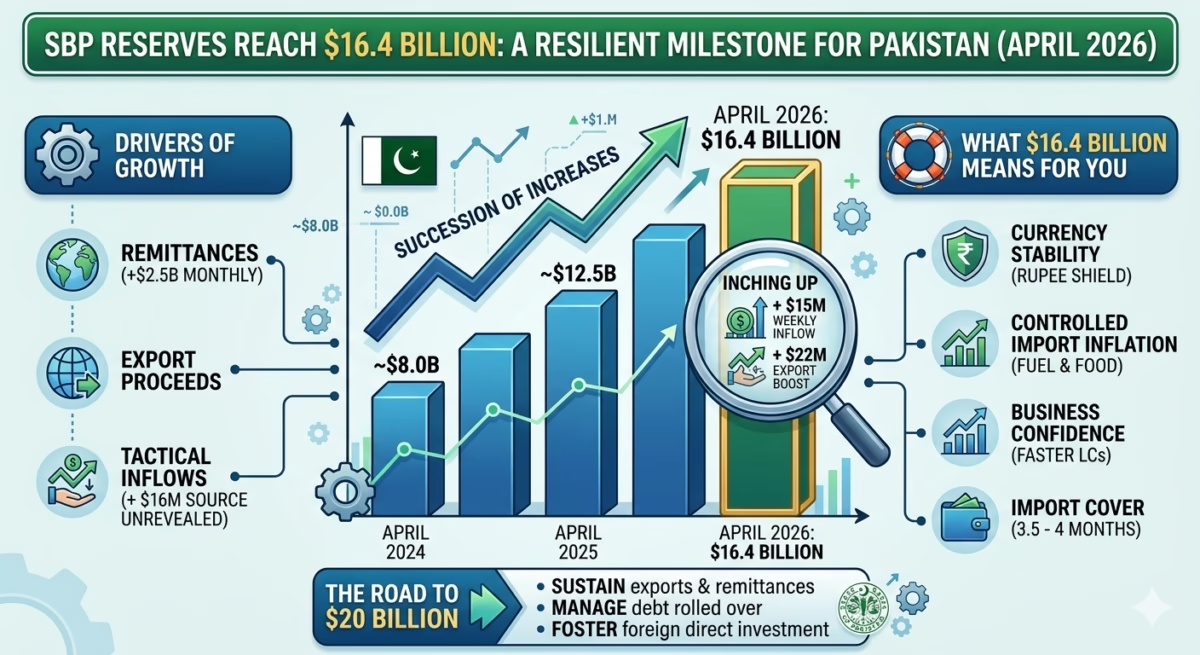
SBP Reserves Surge to $16.4 Billion: 2026 Pakistan Forex Analysis
April 10, 2026
Petrol Price in Pakistan: Government Announces Major Relief – April 10, 2026 Update
In a significant move to provide economic breathing space to a population burdened by record-high inflation, the Prime Minister of Pakistan has announced a substantial reduction in the prices of petroleum products. The announcement, made on April 10, 2026, comes after a period of intense global volatility and domestic price hikes that had previously pushed fuel costs to historic levels.
The Official Announcement
Late on April 10, 2026, the Government of Pakistan notified a downward revision in the prices of Petrol and High-Speed Diesel (HSD). According to the notification issued by the Ministry of Finance, the new prices take effect from midnight, April 11, 2026. This decision was reached following a decline in international oil prices, primarily attributed to a de-escalation in Middle Eastern tensions and a breakthrough in global supply chains.
New Fuel Prices in Pakistan (Effective April 11, 2026)
The price adjustments for the current fortnight are as follows:
| Product | Old Price (Rs.) | Decrease (Rs.) | New Price (Rs.) |
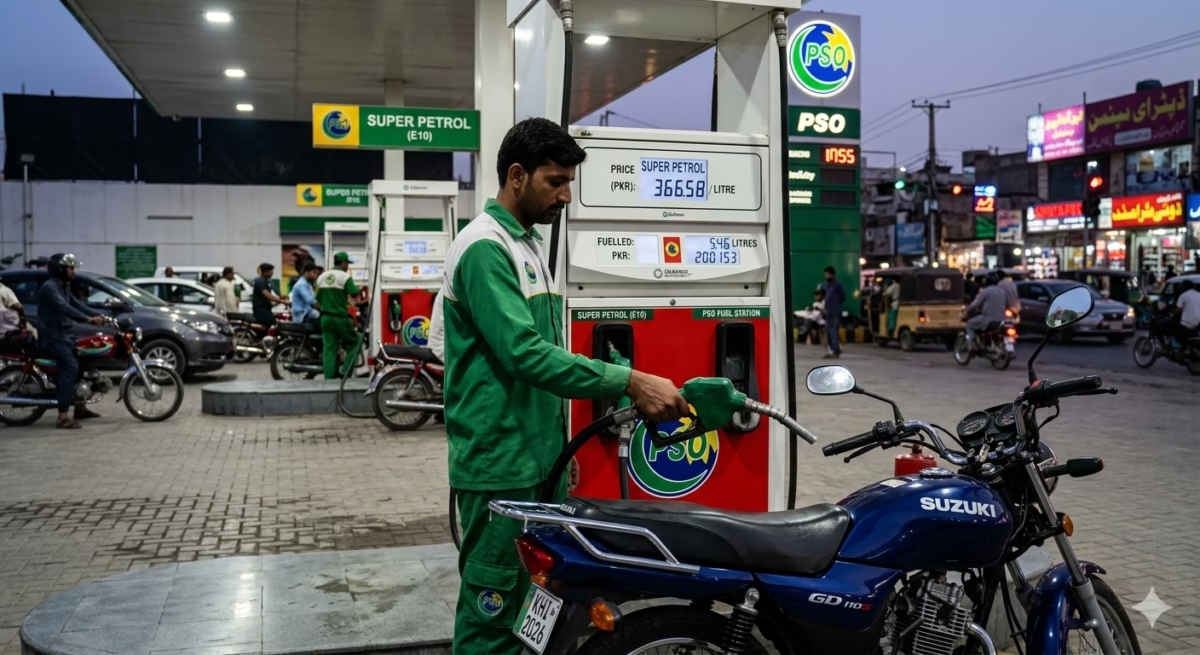
| Petrol (Super/MS) | 378.41 | 11.83 | 366.58 |
| High-Speed Diesel (HSD) | 520.35 | 134.81 | 385.54 |
| Light Diesel Oil (LDO) | 395.03 | 25.31 | 369.72 |
| Kerosene Oil | 467.48 | 17.33 | 450.15 |
The Massive Cut in Diesel Prices
The most striking feature of this update is the monumental reduction in High-Speed Diesel (HSD) prices, which have been slashed by nearly Rs. 135 per litre. Just a week prior, diesel had peaked at over Rs. 520 per litre due to a global petroleum shortage triggered by regional conflicts.
This reduction is expected to have a multiplier effect on the economy. Since diesel is the primary fuel for the transport sector and agricultural machinery, this cut is anticipated to lower the cost of transporting essential goods and reduce the production costs for farmers during the peak wheat-harvesting season.
Factors Behind the Price Reduction
Several key factors contributed to this relief:
- Global Oil Market Stabilization: The international benchmark Brent crude saw a correction after a brief ceasefire agreement and successful diplomatic negotiations.
- Exchange Rate Stability: The Pakistani Rupee (PKR) showed minor gains against the US Dollar, allowing the government to pass on the benefit of lower import costs to consumers.
- Government Policy: The Prime Minister directed the Oil and Gas Regulatory Authority (OGRA) to ensure that the maximum possible relief is provided to the public. Additionally, the government has maintained its commitment to austerity by managing fiscal deficits without further taxing the common man’s fuel.
Impact on Inflation and Public Sentiment
For the average Pakistani citizen, the past month has been an economic rollercoaster. After a historic hike earlier in the month, the current reduction brings the price down to a more manageable Rs. 366.58. While still higher than rates seen in previous years, the trajectory is now downward.
Market analysts suggest that if this trend continues, the Consumer Price Index (CPI) could see a decline in the coming months. Lower fuel prices usually lead to lower fares for public transport and a reduction in the prices of perishable food items like fruits and vegetables.
Frequently Asked Questions (FAQs)
1. When do the new petrol prices in Pakistan come into effect?
The new prices announced on April 10, 2026, became effective at 12:00 AM (midnight) on April 11, 2026.
2. Why did Diesel prices drop more than Petrol?
The massive Rs. 134.81 drop in Diesel is a result of a correction in the international diesel premium and the government’s strategic decision to support the agricultural and transport sectors during the harvest season.
3. What was the highest price of petrol in April 2026?
Prior to the relief measures, petrol prices reached a historic peak of approximately Rs. 458.40 per litre in early April 2026.
4. Will there be another price change soon?
The government typically reviews petroleum prices every 15 days based on international market trends and OGRA recommendations. The next review is expected at the end of the month.
5. How does this price cut affect the transport sector?
With diesel being the backbone of heavy transport, freight charges are expected to drop significantly in various regions, which should eventually lead to lower prices for groceries and other consumer goods
Elevate Your Brand with MasterInDesign 🚀
Don’t let your business get left behind in today’s fast-paced digital world. At MasterInDesign, we specialize in helping brands stand out, engage audiences, and grow online.
Take the next step toward digital excellence. Contact us today and transform your brand into a powerful online