$25 Billion Forecast Shows Gulf ESG Market Resilience in 2026
February 18, 2026
GTA 6 Price Appears Online Ahead Of Official Announcement: Rumors, Pre‑Orders, and Pricing
February 19, 2026
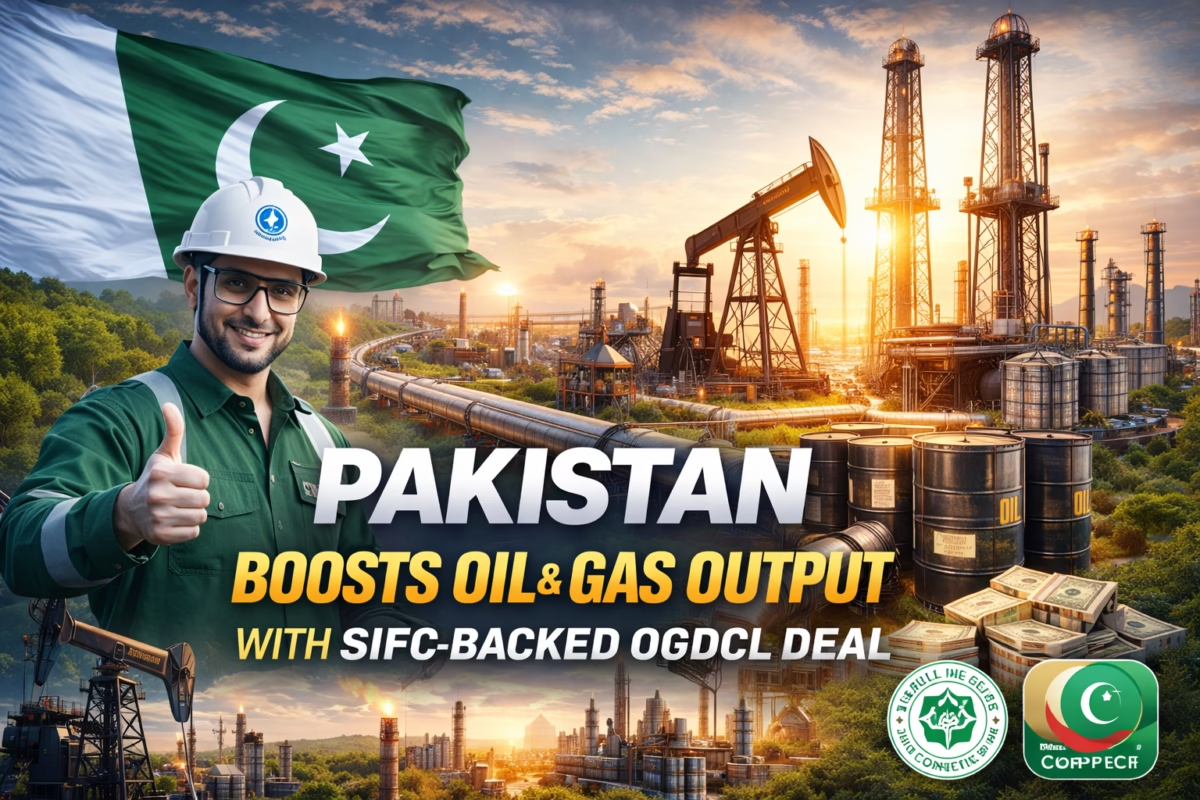
Pakistan Boosts Oil and Gas Output with SIFC‑Backed OGDCL Deal
Pakistan’s energy sector has received a major boost as the Oil and Gas Development Company Limited (OGDCL) recently signed a landmark deal supported by the Special Investment Facilitation Council (SIFC) aimed at enhancing domestic oil and gas production. This initiative marks a significant step toward strengthening the country’s energy security and reducing reliance on imported fuels while supporting economic growth and industrial energy demand.
SIFC‑Backed Deal to Raise Production
Under the new agreement, OGDCL has partnered with an international firm to install advanced water injection systems at its key oil fields in Sindh, including the Kunnar and Pasakhi blocks. The cutting‑edge technology is expected to increase crude oil production significantly and raise natural gas output by several billion cubic feet each year. Officials estimate that the enhanced production will generate hundreds of millions of dollars in additional revenue for the company and the national economy.
The partnership demonstrates how Pakistan boosts oil and gas output with SIFC‑backed strategies, integrating modern reservoir management techniques that sustain production over the long term. By increasing reservoir pressure and optimizing recovery factors, these efforts protect energy reserves that were previously facing declining output due to aging infrastructure.
Complementing this effort are recent discoveries of gas and condensate in Sindh’s Dars West area, which further strengthen Pakistan’s resource base and expand supplies feeding into the national pipeline network for distribution across the country.
Context: Pakistan’s Broader Energy Challenges
While boosting hydrocarbons is crucial, Pakistan’s energy landscape also includes urgent challenges and innovations related to the electricity grid.
Battery Storage and the Future of Pakistan’s Electricity Grid
Pakistan’s national grid has long struggled with unreliable supply, growing demand, and high generation costs. In recent years, the adoption of renewable energy — especially solar and wind — has increased, prompting interest in battery storage solutions to stabilize power delivery. Large battery energy storage systems (BESS) help store excess energy generated during peak production times and release it during periods of high demand, smoothing the grid’s output and reducing pressure on traditional power plants.
Investment in battery storage is widely viewed as essential for modernizing Pakistan’s electricity infrastructure, particularly as renewable installations continue to grow.
Chinese IPPs in Pakistan and Power Purchase Challenges
Independent Power Producers (IPPs) — including many Chinese firms — play a substantial role in Pakistan’s power generation landscape, supplying coal, gas, and hydropower projects under strategic economic cooperation. These plants have helped reduce load shedding and improve overall capacity, but they have also faced financial difficulties due to delayed payments and tariff challenges, prompting calls for government intervention to ensure continuity and financial stability.
Despite these concerns, Chinese involvement in Pakistan’s energy sector remains significant — from coal‑fired generators to large hydro projects that feed into the national grid and support broad electricity distribution.
CPEC Projects and Pakistan’s Power Infrastructure
The China‑Pakistan Economic Corridor (CPEC) continues to be a driving force in Pakistan’s power and infrastructure development. Since its inception, CPEC has delivered multiple energy projects, including large coal‑fired plants, hydropower dams, and transmission lines designed to enhance the overall Pakistan grid and reduce supply shortages.
Some of the most notable energy projects under CPEC include super‑critical coal plants, major hydroelectric facilities, and improved transmission connections that support both urban and rural electrification. These investments aim to increase installed generation capacity, create jobs, and diversify Pakistan’s energy mix over time.
Balancing Fossil Fuels and Renewables
While hydrocarbons — including oil and gas — remain central to Pakistan’s energy portfolio, the need to balance fossil fuel dependency with cleaner alternatives has become more visible. Renewable sources such as wind, solar, and hydropower now contribute a growing share of generation. Battery storage systems further help integrate intermittent renewables into the grid, allowing Pakistan to transition toward a more resilient and environmentally sustainable energy system.
Benefits of the SIFC‑Backed Energy Boost
The recent OGDCL deal delivers several strategic advantages for Pakistan:
1. Increased Domestic Energy Output
By using advanced reservoir technology, oil and gas fields can achieve higher recovery rates, directly increasing the volumes of energy available for domestic consumption.
2. Reduced Import Dependence
Greater domestic production reduces the pressure to import expensive fuels, saving foreign exchange and insulating Pakistan from volatile global energy markets.
3. Job Creation and Economic Stability
Energy investments supported by the SIFC help stimulate job growth and increase private sector participation, which has positive ripple effects across the economy.
4. Foundation for Future Energy Projects
Success in boosting oil and gas supplies attracts additional investments not only in hydrocarbons but also in cleaner technologies like BESS and renewables, fostering a more balanced energy mix for the future.
What’s Next for Pakistan’s Energy Sector
Pakistan stands at a crossroads where strategic energy policy, technological innovation, and infrastructure investment must work together. The SIFC‑backed OGDCL deal marks an important step in strengthening energy security, but long‑term success will depend on integrating renewable resources, expanding battery storage solutions, and ensuring financial stability across the power sector.
CPEC projects and Chinese IPPs will continue shaping the electricity landscape, while reforms aimed at reducing grid losses, modernizing transmission networks, and attracting private capital remain essential to meet the country’s growing electricity demand.
Frequently Asked Questions (FAQs)
1. What is the SIFC‑backed OGDCL deal?
It is an agreement in which OGDCL adopted advanced water injection technology at key oil fields, supported by the Special Investment Facilitation Council, to increase oil and gas production.
2. How does this deal help Pakistan’s energy supply?
The technology enhances reservoir performance, increasing crude oil and natural gas output and boosting domestic energy supplies.
3. Why are battery storage systems important for Pakistan’s grid?
Battery storage helps balance intermittent renewable energy sources like solar and wind by storing excess energy and releasing it during peak demand, stabilizing the national electricity grid.
Elevate Your Brand with MasterInDesign 🚀
Don’t let your business get left behind in today’s fast-paced digital world. At MasterInDesign, we specialize in helping brands stand out, engage audiences, and grow online.
Take the next step toward digital excellence. Contact us today and transform your brand into a powerful online