
Malicious App on Google Play with 50K+ Downloads Deploys Malware
February 3, 2026
Spotify Upgrades Lyrics With Offline Access, More Translations
February 4, 2026
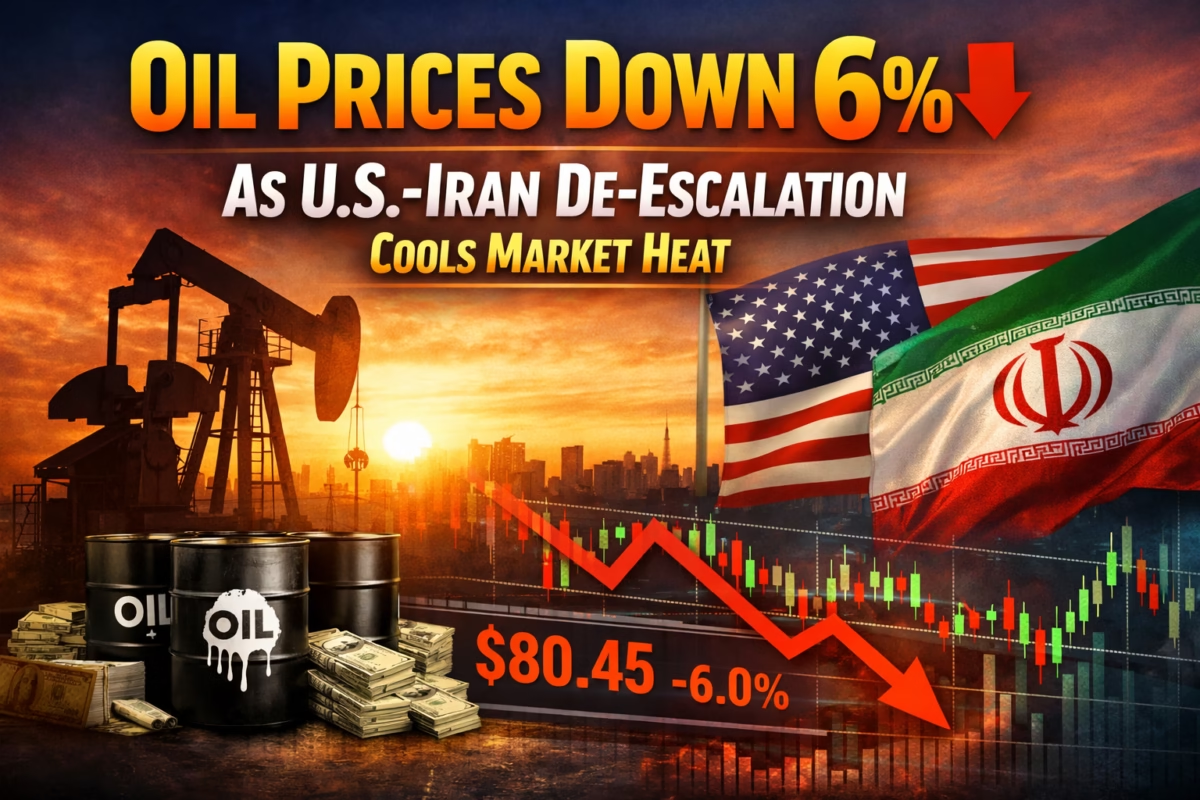
Oil Prices Down 6% As U.S.-Iran De-Escalation Hopes Cool Market Heat: Is It The End Of The Line For Bulls?
Global oil markets saw a sharp decline this week as crude prices fell by 6%, largely due to easing tensions between the U.S. and Iran. Traders and analysts are reassessing the market outlook, considering geopolitical risks, supply data, and economic indicators. The sudden drop has prompted questions about whether the bullish momentum in oil is slowing down.
Factors Behind the Oil Price Decline
The recent dip in oil prices comes after a period of heightened market volatility, largely driven by Middle East tensions. As Iran-Israel tensions ease, traders grew more confident that the immediate geopolitical risk premium would reduce, prompting a sell-off in oil futures.
Other contributing factors include global economic data showing potential slowdowns in demand, particularly in China and the U.S., and expectations around U.S. crude inventory builds. This combination has pressured oil prices lower.
Impact of Geopolitics on Oil
Geopolitical concerns often drive oil market sentiment, and the Middle East remains a key region for crude supply. Previous fears of escalation led to spikes in oil prices, but recent de-escalation between the U.S. and Iran has calmed the market. Analysts note that while tensions may resurface, current conditions point to reduced risk premiums for the time being.
Supply and Demand Dynamics
The oil market is highly sensitive to both supply and demand shifts.
- U.S. Crude Supply: Reports of rising U.S. crude inventories have contributed to the downward pressure.
- Global Demand: Economic indicators suggest slower industrial activity in major economies, affecting oil consumption projections.
- IEA Forecasts: The International Energy Agency predicts a tighter market in the medium term, but current oversupply concerns are impacting prices.
These dynamics create a tug-of-war between short-term bearish sentiment and longer-term bullish expectations.
Analysts’ Perspective
Market analysts are cautious but note that a 6% drop does not signal a full bearish trend. Some argue that oil prices may stabilize if demand strengthens in key regions, including the U.S. and China. Others highlight that the market remains vulnerable to sudden geopolitical flare-ups or OPEC+ production adjustments, which could reignite price rallies.
The key takeaway is that while oil prices are down, fundamental supply-demand imbalances and regional developments will continue to influence future movements.
Looking Ahead: Is It The End Of The Line For Bulls?
Despite the recent decline, bullish factors are still present:
- Potential U.S. Federal Reserve rate cuts could boost economic activity and energy consumption.
- Market concerns over future Middle East escalations remain a potential upside risk.
- Global inventory drawdowns may create support for prices if supply tightens.
However, traders must navigate short-term volatility and adjust strategies based on real-time geopolitical and economic developments. The recent drop highlights how sensitive the oil market is to both sentiment and hard data.
How Traders Can Navigate Current Oil Market Conditions
- Monitor Geopolitical Developments: Keep track of Middle East tensions and diplomatic developments.
- Watch Economic Data: U.S. and China demand indicators can significantly influence price movements.
- Follow Inventory Reports: Weekly crude and refined product reports are critical signals.
- Diversify Risk: Use hedging or risk management strategies to protect against sudden swings
FAQ
Q1: Why did oil prices drop 6% recently?
A1: Oil prices declined due to easing U.S.-Iran tensions, combined with U.S. crude inventory builds and concerns over slowing demand in key markets.
Q2: How does Middle East geopolitics affect oil prices?
A2: Geopolitical tensions increase risk premiums, driving oil prices higher. De-escalation reduces premiums and can cause prices to fall.
Q3: What role does the U.S. Federal Reserve play in oil markets?
A3: Potential Fed rate cuts can boost economic activity, raising energy demand and supporting oil prices.
Elevate Your Brand with MasterInDesign
Don’t let your business get left behind in today’s fast-paced digital world. At MasterInDesign, we specialize in helping brands stand out, engage audiences, and grow online.
Take the next step toward digital excellence. Contact us today and transform your brand into a powerful online