

Pak-Afghan Clashes Escalate: Border Tensions & Operation Ghazab Lil Haq
February 27, 2026
Pakistan Defence Minister Says Country in ‘Open War’ With Afghanistan After Strikes
February 27, 2026
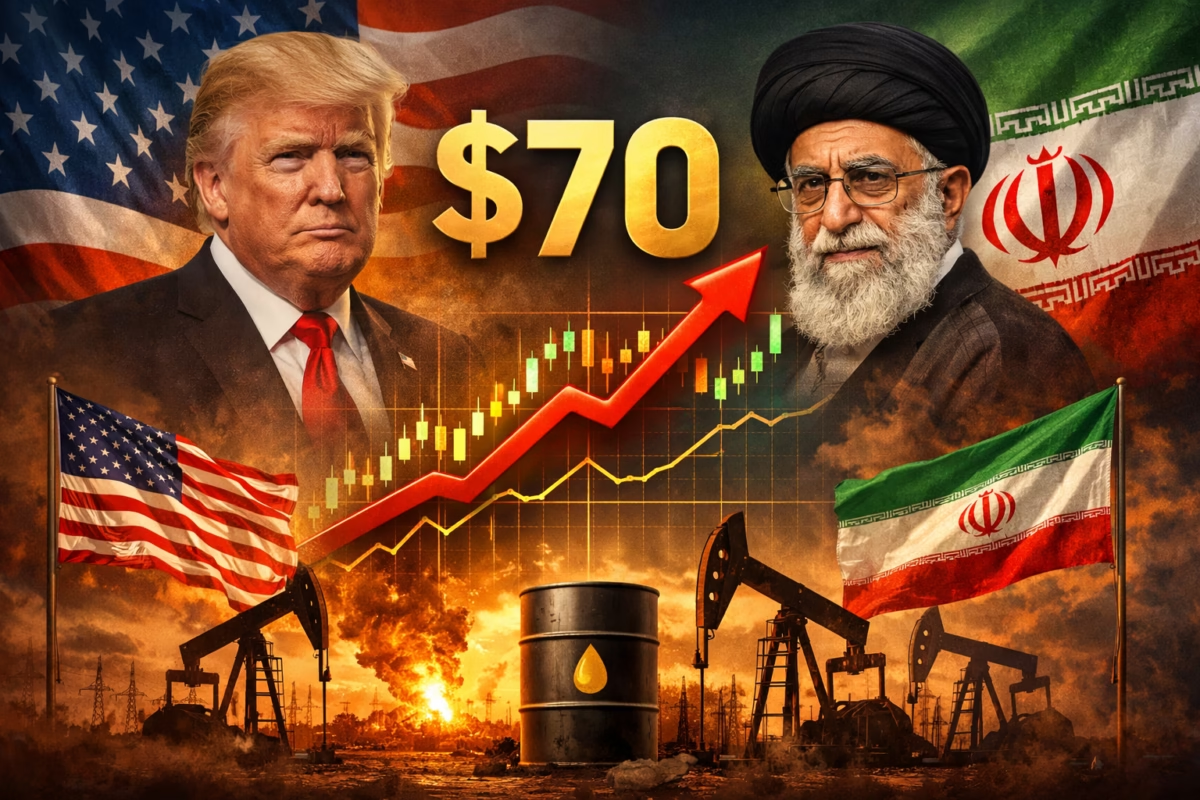
Oil Price Tops $70 Amid Trump, Iran Fears — Where It Goes From Here
Oil prices have climbed back above the $70 mark, drawing renewed attention from global markets. The latest rally comes amid rising geopolitical tension between the United States and Iran, combined with shifting U.S. inventory data. Together, these developments have injected fresh volatility into energy markets and raised questions about where oil prices may head next.
Brent crude moved above $72 per barrel, while U.S. West Texas Intermediate (WTI) approached the upper $60s. The $70 level is psychologically important. When oil crosses this threshold, it often reflects growing geopolitical concerns rather than just normal supply-and-demand movements.
Geopolitical Tensions Driving Oil Prices
The main catalyst behind the recent surge is renewed uncertainty surrounding U.S.–Iran relations. Negotiations tied to Iran’s nuclear program remain delicate, and any breakdown could trigger stricter sanctions or regional escalation. Markets react quickly to such risks because Iran is a significant oil producer within OPEC.
Even under sanctions, Iran exports considerable crude volumes. If additional restrictions limit those exports, global supply could tighten. Traders often price in potential disruptions before they occur, adding what is known as a “risk premium” to oil prices.
Another major factor is the Strait of Hormuz, a vital maritime route for global oil shipments. A large portion of the world’s crude supply passes through this narrow channel. Any threat to its security could immediately disrupt energy markets and push prices higher.
Statements from U.S. leadership have also contributed to uncertainty. A tougher stance toward Iran’s regional activities and nuclear ambitions raises fears that diplomacy could fail. Iran, meanwhile, has signaled it will not back down from pressure. This ongoing standoff keeps traders cautious.
U.S. Crude Oil Inventories Drop
Alongside Iran news, U.S. crude oil inventories have influenced recent price movements. Recent reports showed a decline in U.S. crude stockpiles. When inventories drop, it suggests either strong demand or reduced supply, both of which support higher oil prices.
Lower inventories make markets more sensitive to geopolitical risks. If supply disruptions occur while stockpiles are already tight, price spikes can be more severe. However, inventory data can fluctuate weekly due to refinery activity, imports, and seasonal demand.
If future reports show consistent inventory builds, that could ease pressure on oil prices. For now, the mixed signals add to short-term volatility.
Supply, Demand, and OPEC+
Beyond political developments, broader market fundamentals also matter. OPEC+ continues to manage output levels carefully. If oil prices rise too sharply, the group could increase production to prevent overheating. Conversely, if prices weaken, production cuts could support the market.
Global demand remains relatively stable. Emerging markets continue to consume large amounts of energy, and travel demand has recovered strongly. China’s oil consumption is particularly important, as stronger economic activity there can support higher prices globally.
However, concerns about slowing economic growth in some regions remain. High interest rates and inflationary pressures could limit fuel demand. If global growth weakens, oil prices may struggle to maintain upward momentum.
Possible Price Scenarios
Bullish Case:
If U.S.–Iran tensions escalate significantly — through sanctions, military action, or shipping disruptions — oil prices could move well above $80 per barrel. A severe supply shock could push prices even higher, especially if inventories remain tight.
Bearish Case:
If diplomatic progress reduces geopolitical risk, the added premium in oil prices could fade quickly. Strong production from OPEC+ or rising U.S. output could also pressure prices back toward the mid-$60 range.
Base Outlook:
Most analysts expect continued volatility in the short term. Prices may fluctuate between the mid-$60s and mid-$70s depending on headlines and inventory data. The market is balancing political risk against adequate global supply.
Economic Impact
When oil prices rise, fuel costs often increase as well. Higher gasoline and diesel prices affect transportation, airlines, shipping companies, and consumers. In energy-importing countries, rising crude costs can contribute to inflation.
For oil-producing nations, however, higher prices improve government revenues and economic stability. Energy companies may also benefit from stronger margins when crude remains elevated.
Long-Term Outlook
Over the long term, structural changes such as renewable energy adoption and electric vehicle growth may moderate oil demand growth. However, oil remains essential for transportation, manufacturing, and petrochemicals. Geopolitical risks in key producing regions will likely continue influencing markets for years to come.
For now, oil above $70 reflects a market reacting to uncertainty rather than a confirmed supply crisis. The direction from here depends on whether tensions escalate or stabilize.
FAQs
1. Why are oil prices rising above $70?
Oil prices are rising mainly due to geopolitical tensions involving Iran and the United States, along with recent drops in U.S. crude oil inventories. These factors increase supply risk and add a premium to prices.
2. How does Iran news affect oil markets?
Iran is a significant oil producer. Any sanctions, military conflict, or disruption in its exports can reduce global supply, causing oil prices to increase.
3. What does a drop in U.S. crude oil inventories mean?
When U.S. crude inventories drop, it suggests stronger demand or tighter supply. This usually supports higher oil prices because less oil is available in storage.
4. Could oil prices rise above $80?
Yes, if geopolitical tensions escalate or supply disruptions occur, oil prices could climb above $80 per barrel. However, stable supply and easing tensions could limit gains.
5. Will higher oil prices affect consumers?
Yes. Higher crude prices often lead to increased fuel costs, which can raise transportation expenses and contribute to inflation.
Elevate Your Brand with MasterInDesign 🚀
Don’t let your business get left behind in today’s fast-paced digital world. At MasterInDesign, we specialize in helping brands stand out, engage audiences, and grow online.
Take the next step toward digital excellence. Contact us today and transform your brand into a powerful online