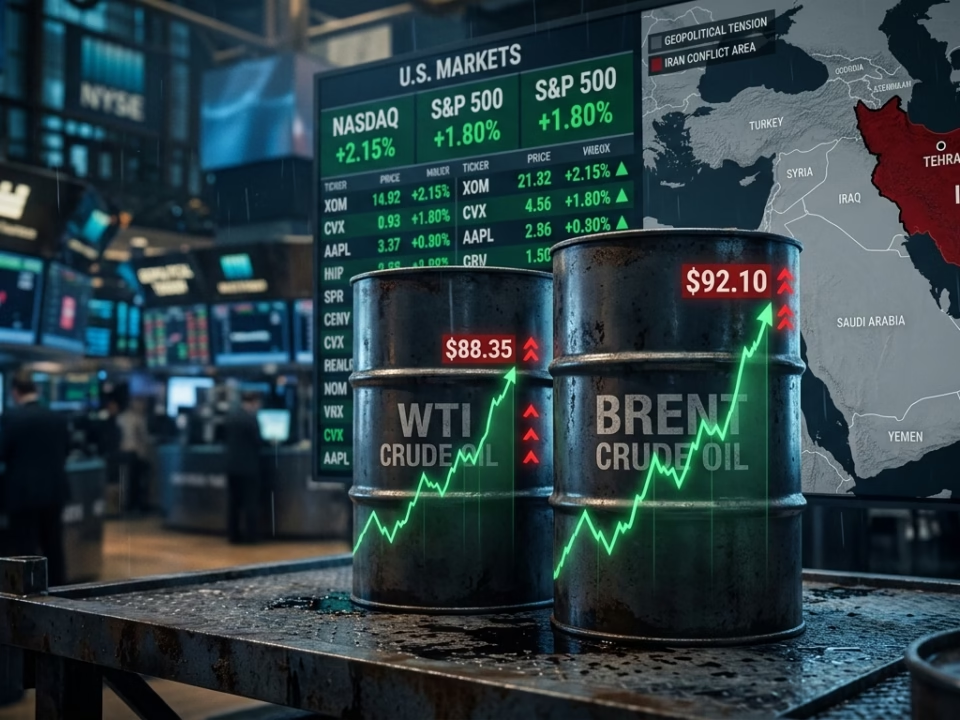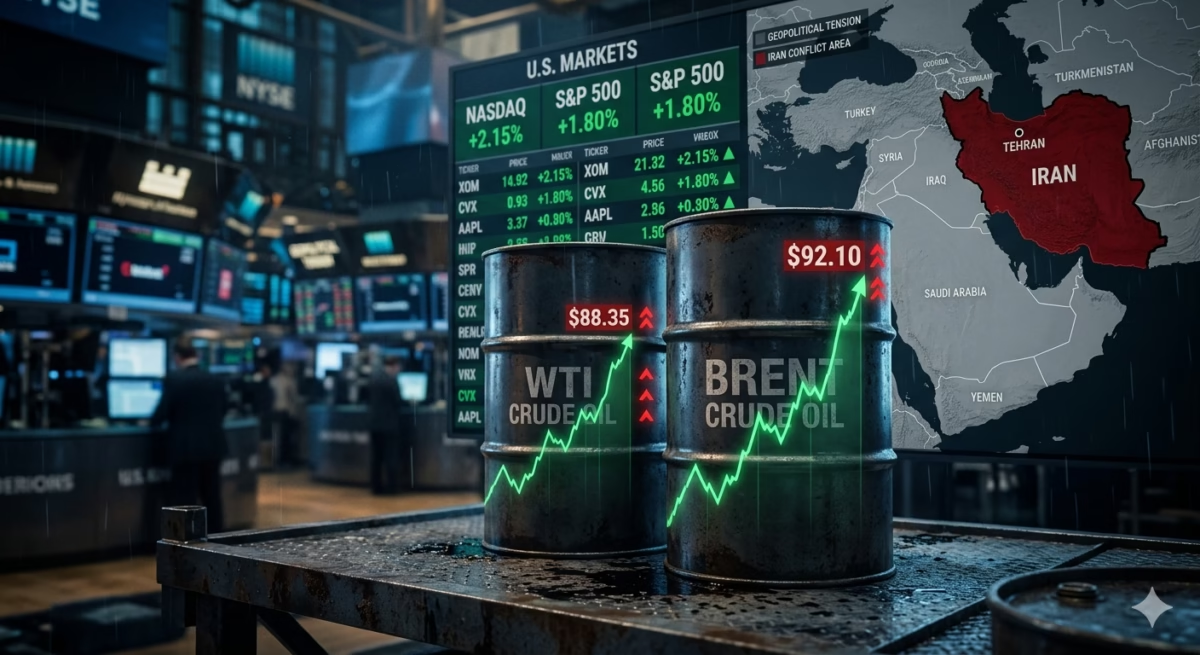

Bursa Malaysia, Asian Stocks Rise as Trump Signals Quick End to Middle East Conflict
April 2, 2026
Samsung Gaming Monitor Pakistan: Global Leader in LED & LCD Displays
April 3, 2026
Fuel Rates Explode as Govt Withdraws Blanket Subsidy
Fuel prices in Pakistan have surged sharply after the government announced the withdrawal of its blanket subsidy program. The decision, aimed at stabilizing the country’s economy and meeting conditions for international bailout packages, has had immediate effects on both transportation and household energy costs.
Government’s Decision to Withdraw Subsidy
The government recently declared the removal of fuel subsidies, citing fiscal pressure and the need to implement economic reforms. Blanket subsidies, which previously kept fuel prices artificially low for all consumers, were increasingly seen as unsustainable. Officials stated that the removal is a necessary step to reduce the financial burden on the national budget and to pave the way for international financial assistance, including a $7 billion bailout program.
This move has led to an immediate spike in fuel prices, affecting petrol, diesel, and compressed natural gas (CNG). The increase directly impacts public transportation, logistics, and goods pricing across the country.
Economic Implications
Analysts warn that unplanned power and fuel subsidies in the past have significantly strained government finances. The previous blanket subsidy system not only contributed to budget deficits but also delayed structural reforms required by international lenders. The withdrawal of subsidies is expected to reduce fiscal stress and improve the country’s economic standing.
However, the immediate impact is inflationary. Higher fuel costs translate into increased transportation expenses, which ripple across other sectors, including agriculture, manufacturing, and retail. Consumers are likely to feel the effects in everyday goods and services, from food to electricity bills.
Who Is Entitled for Fuel Support?
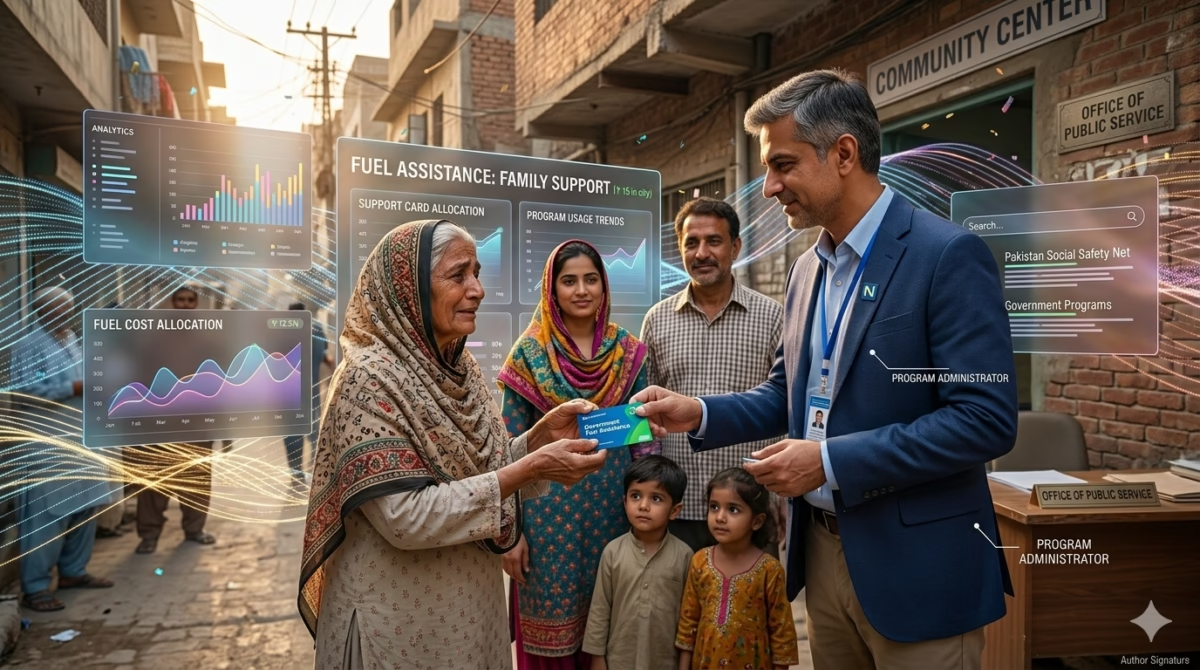
In an effort to protect vulnerable populations, the government has clarified that targeted support programs will replace the blanket subsidy. Low-income families and essential service providers may receive direct assistance to offset fuel cost increases. However, the process for determining eligibility is ongoing, and many citizens remain uncertain about how to access relief.
The focus on targeted subsidies is meant to ensure that government resources benefit those most in need while reducing unnecessary fiscal pressure on the economy.
Public Response and Concerns
The public response to the fuel price hike has been mixed. Commuters, transporters, and small business owners have expressed concern about rising operating costs. At the same time, economists argue that removing blanket subsidies is a necessary measure to prevent further economic deterioration.
Many citizens are calling for clear communication from the government regarding who is entitled to targeted fuel assistance and how it will be implemented. Transparency and efficient execution are seen as key to maintaining public trust during this transition.
Fuel Subsidy Pakistan: Historical Context
Pakistan has long relied on fuel subsidies to stabilize energy prices and support economic activity. While subsidies kept fuel affordable for the masses, they often came at the expense of national financial health. Unplanned subsidies, in particular, have led to budget deficits, reduced foreign reserves, and delayed reforms mandated by international financial institutions.
The government now aims to strike a balance between affordability and fiscal responsibility. By replacing blanket subsidies with targeted support, officials hope to maintain social welfare while meeting international economic obligations.
Future Outlook
The withdrawal of blanket fuel subsidies is part of a broader economic reform agenda. It aligns with efforts to stabilize public finances, attract foreign investment, and secure bailout funds from international lenders.
Experts suggest that while short-term pain is inevitable due to increased fuel rates, long-term gains may include more sustainable energy pricing, reduced fiscal deficits, and improved economic credibility on the international stage.
For citizens, adapting to higher fuel costs will be challenging, but the introduction of targeted assistance programs could help mitigate the impact on the most vulnerable segments of society.
FAQs
Q1: Why did the government withdraw fuel subsidies?
The government withdrew subsidies to reduce fiscal pressure, implement economic reforms, and qualify for international bailout packages.
Q2: How much have fuel rates increased?
Fuel prices have surged sharply, affecting petrol, diesel, and CNG, although exact rates vary depending on regional and market factors.
Q3: Who is entitled to fuel support now?
Targeted assistance is planned for low-income families and essential service providers, replacing the blanket subsidy system.
Q4: What are unplanned power subsidies?
Unplanned power and fuel subsidies refer to government support programs that were implemented without fiscal planning, contributing to budget deficits.
Q5: How does fuel subsidy removal impact everyday life?
Higher fuel prices increase transportation and goods costs, affecting food, electricity, and overall household expenses.
Elevate Your Brand with MasterInDesign 🚀
Don’t let your business get left behind in today’s fast-paced digital world. At MasterInDesign, we specialize in helping brands stand out, engage audiences, and grow online.
Take the next step toward digital excellence. Contact us today and transform your brand into a powerful online